

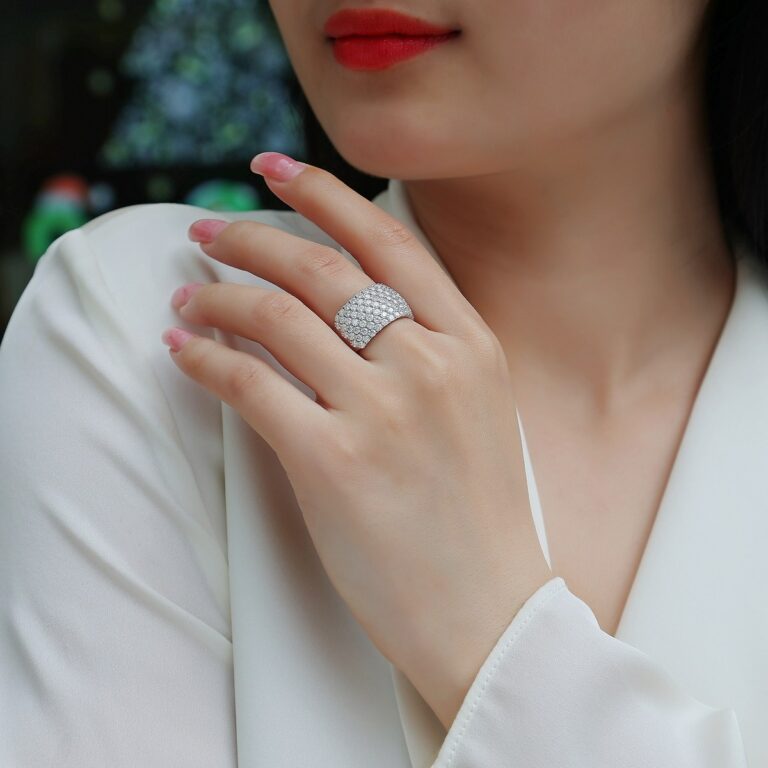
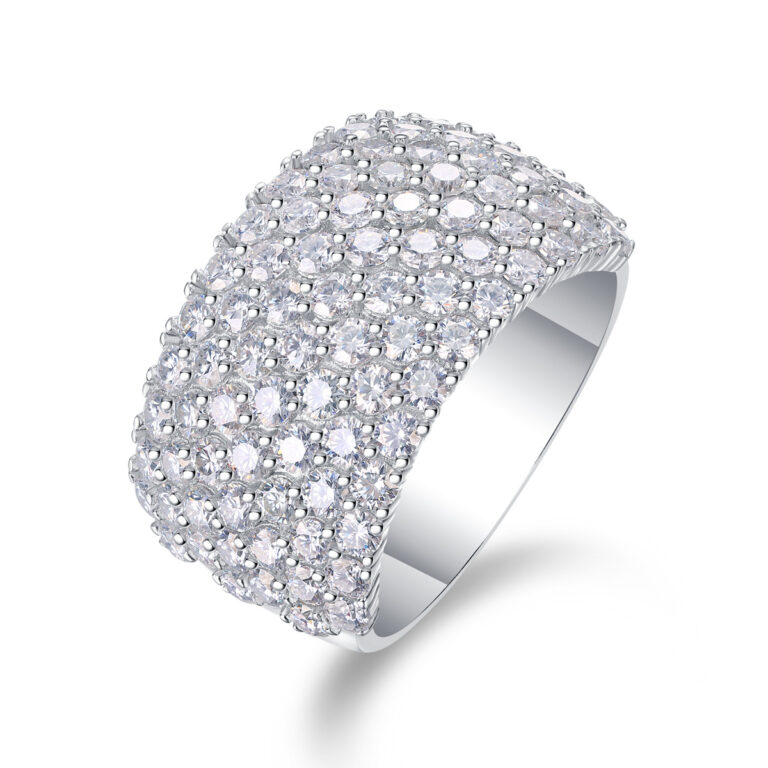
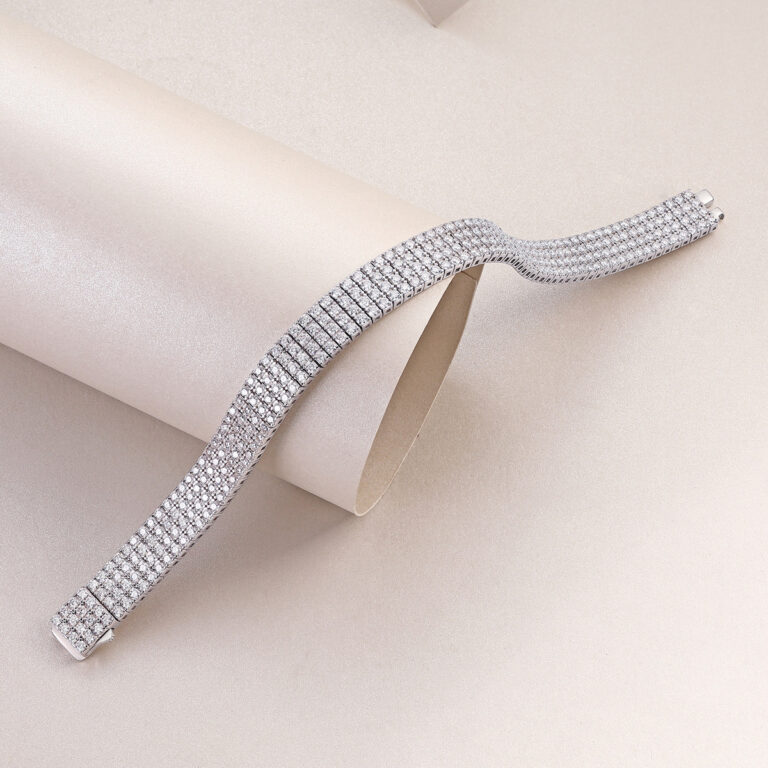

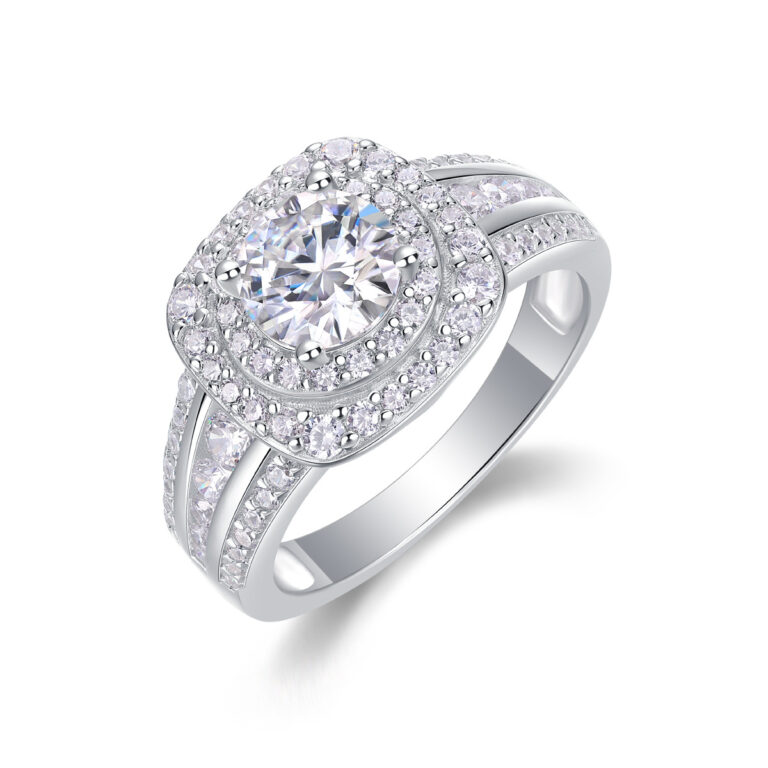


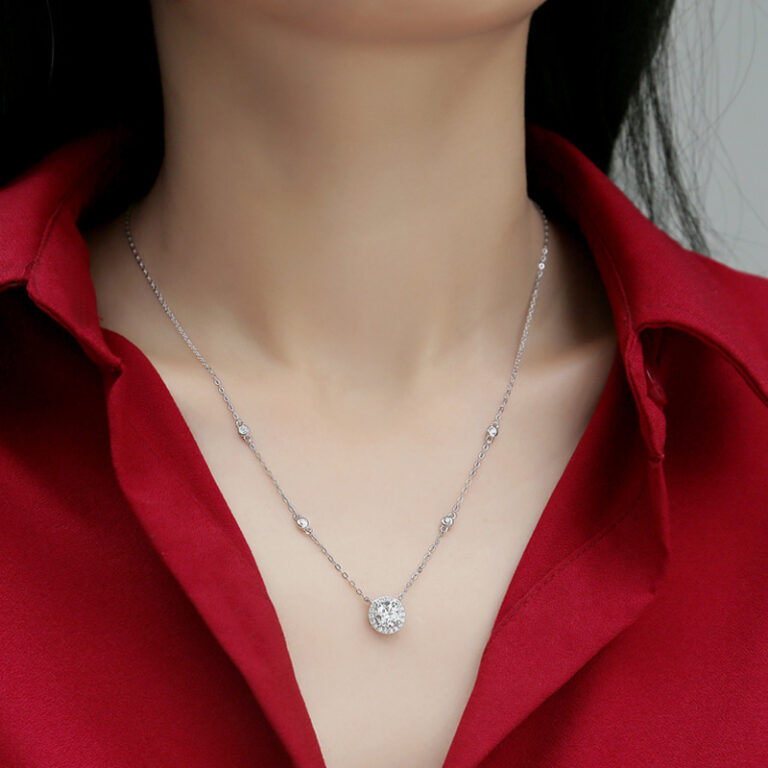
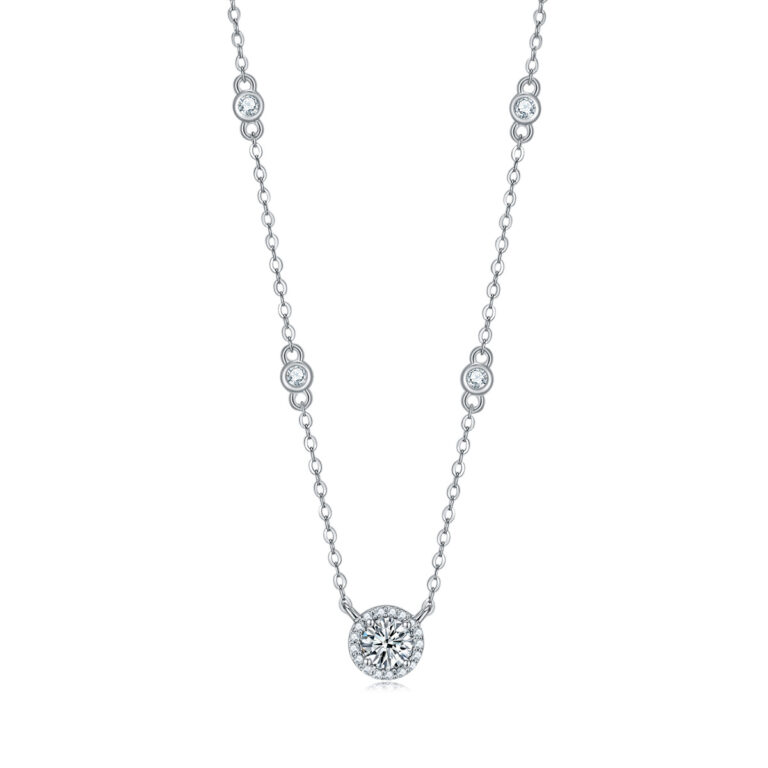
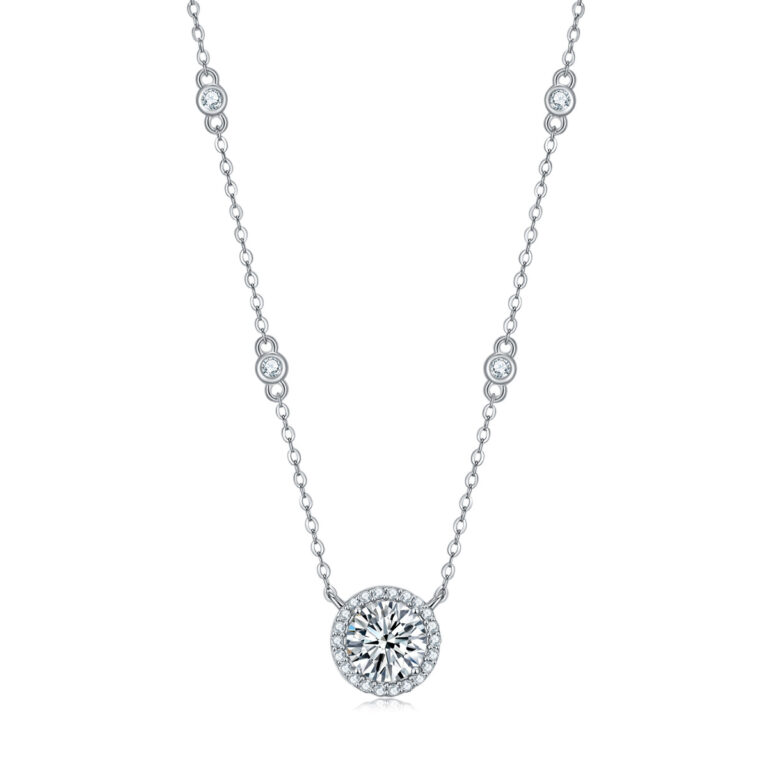
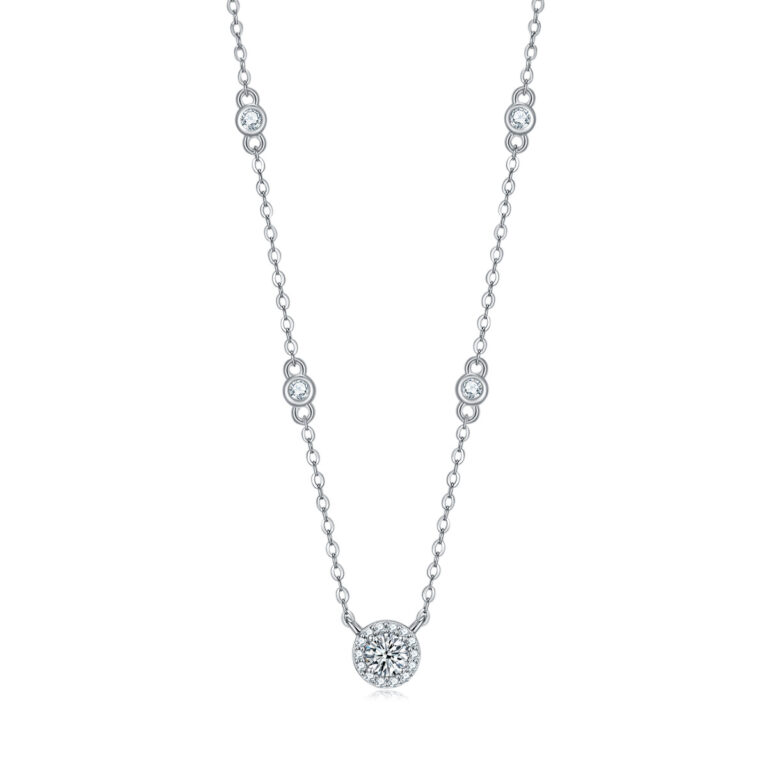
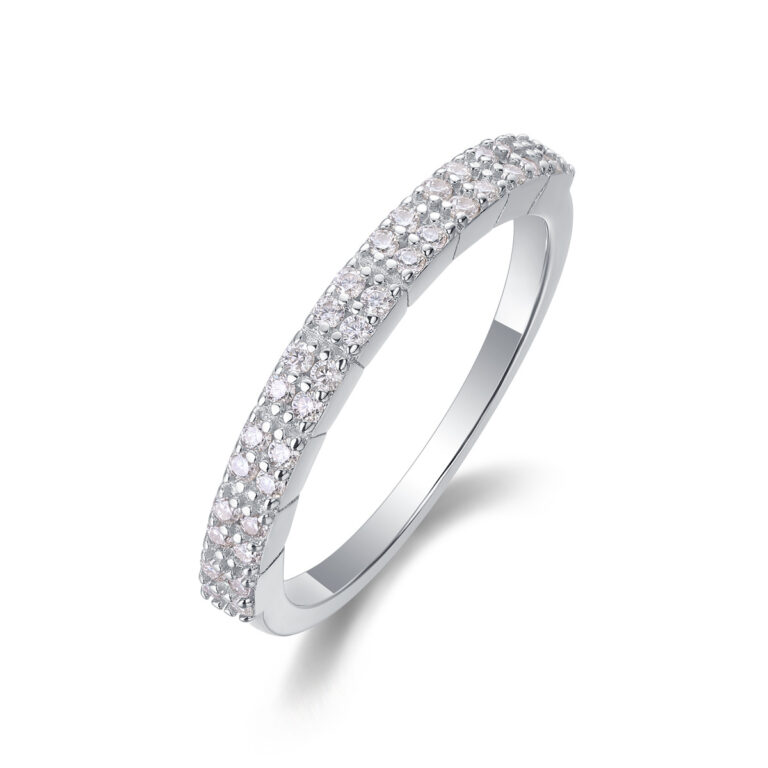
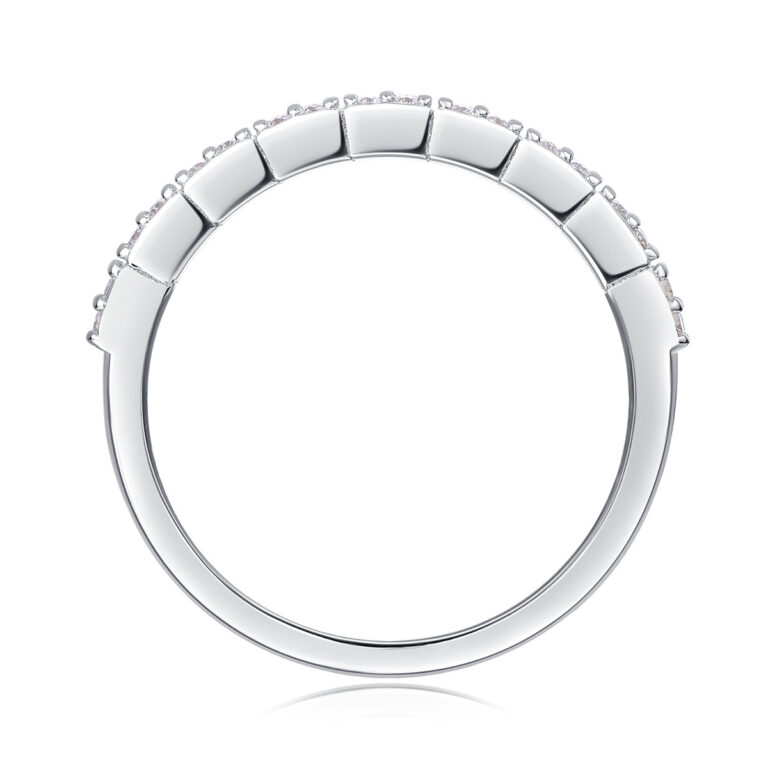

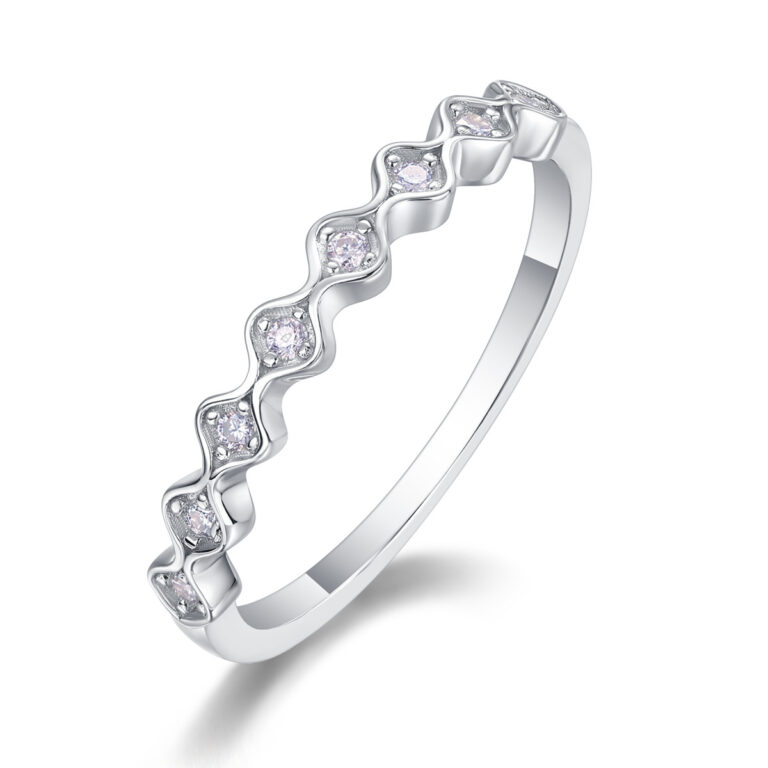


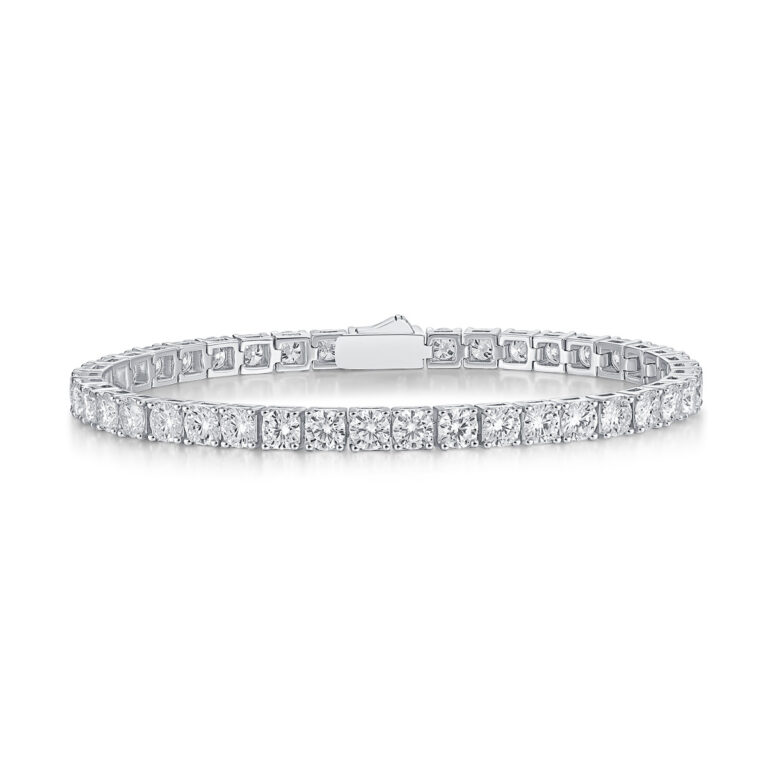
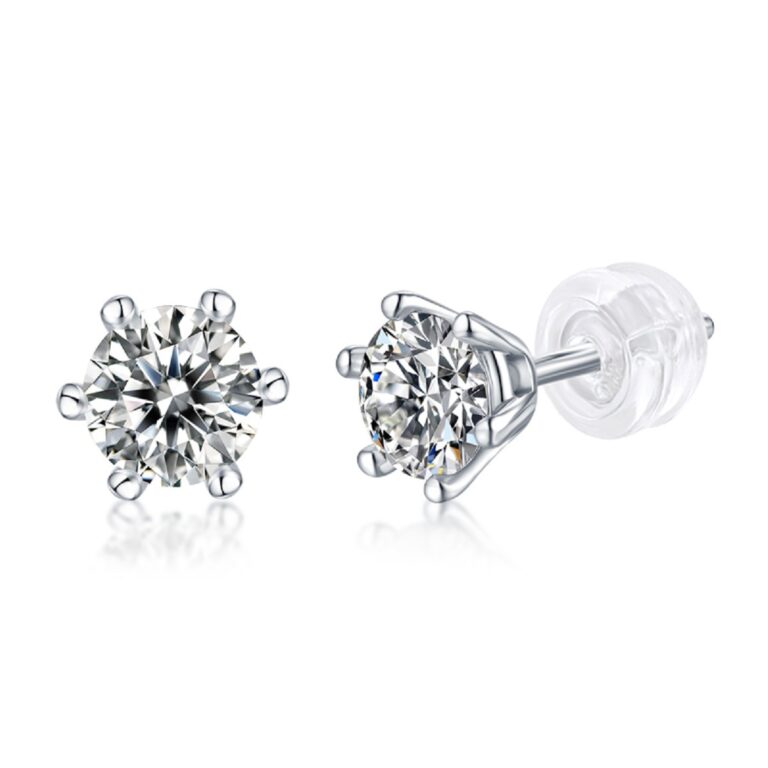
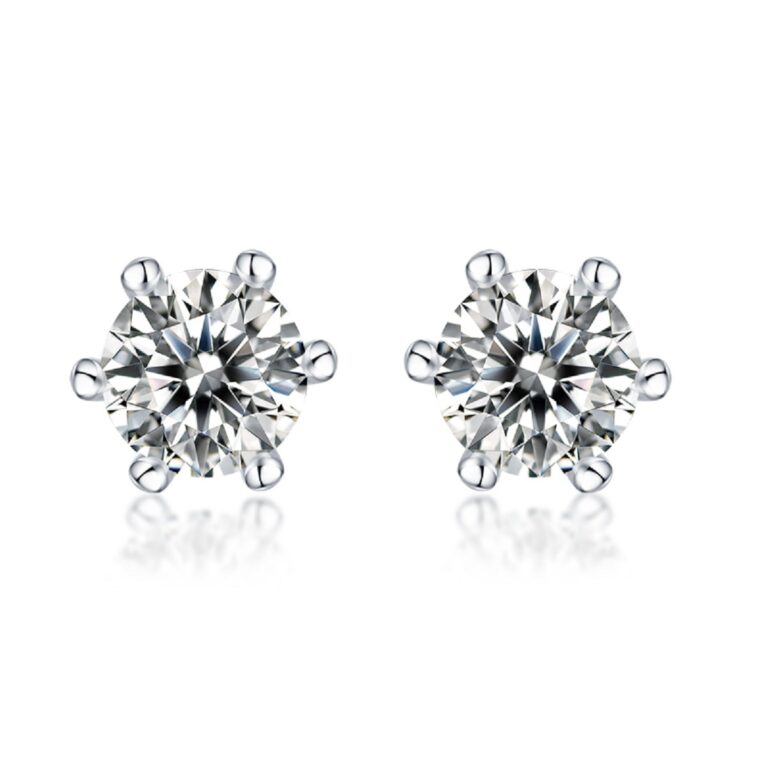
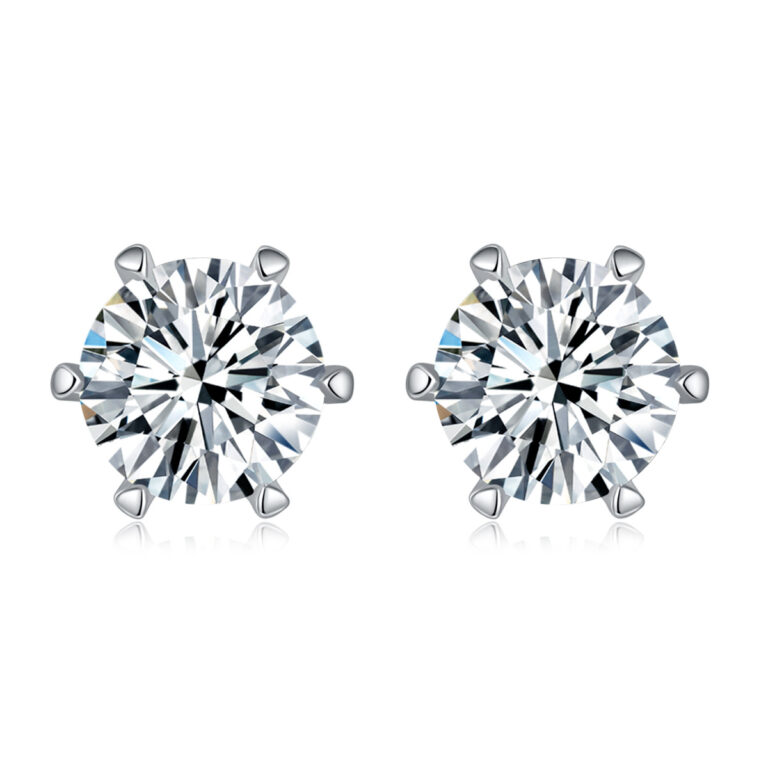
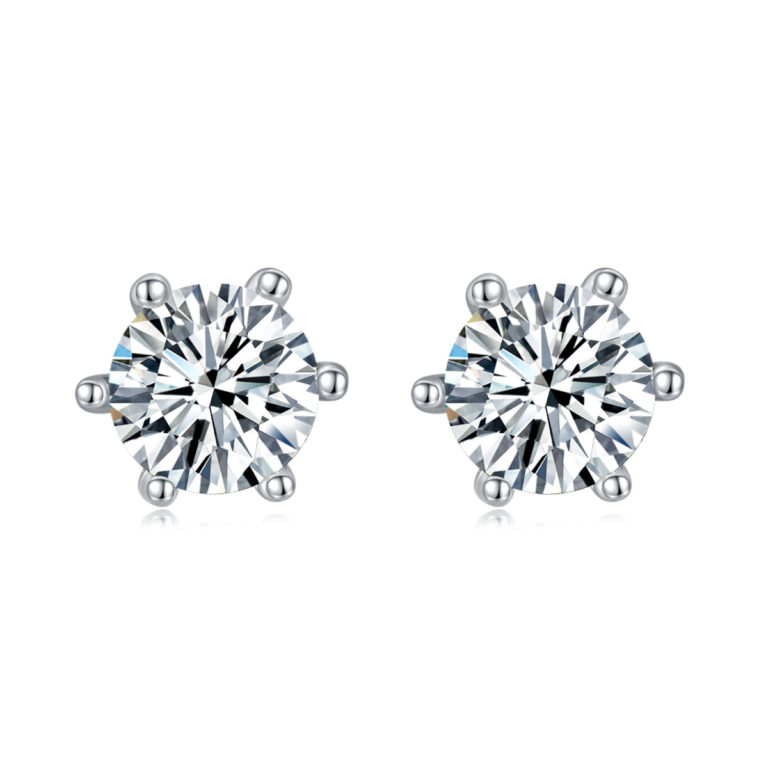

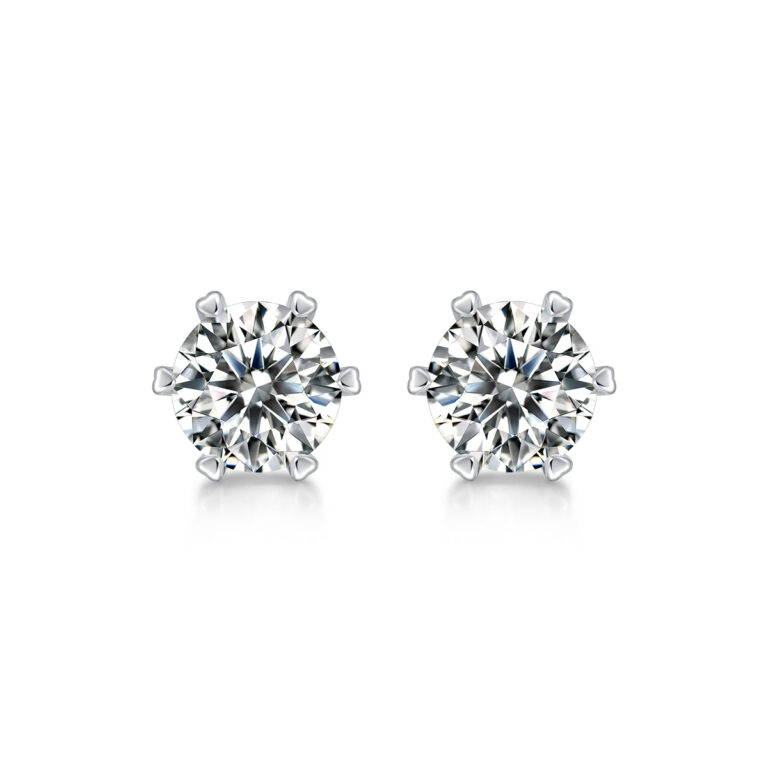
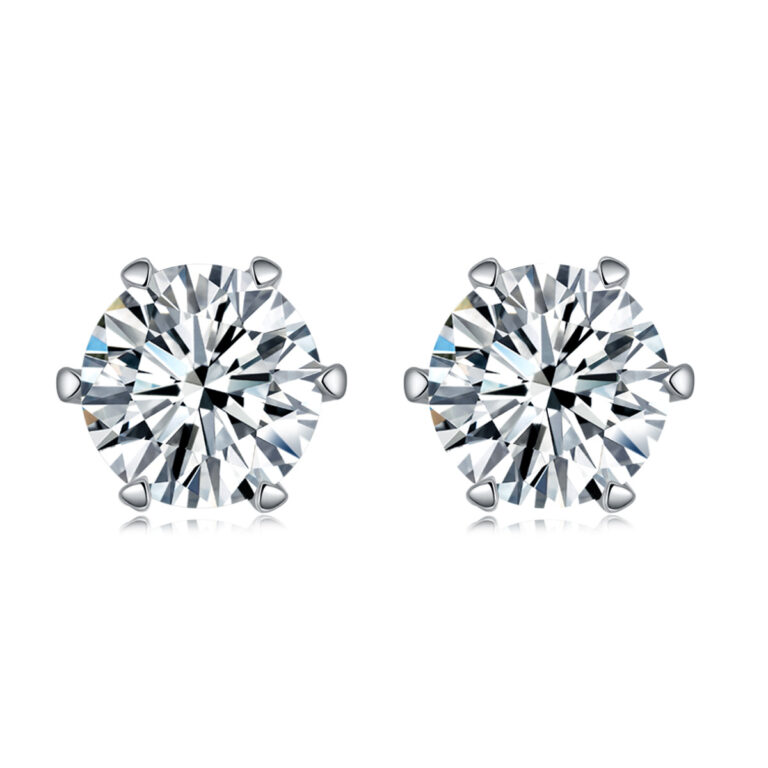

Many people worry about skin reactions when wearing jewelry. Metals like nickel or brass can cause itching, redness, or even rashes for those with sensitive skin. But what about 925 sterling silver? This popular choice in jewelry making stands out for its stability and low risk of causing allergies. In this article, we’ll explore if 925 sterling silver is truly hypoallergenic, why it’s been a go-to material for centuries, and what that means for your business as a merchant or retailer. Whether you’re stocking shelves or sourcing for your online store, understanding this can help you offer products that keep customers happy and coming back.
Table of Contents
- What Is 925 Sterling Silver?
- Why Do Some Metals Cause Allergic Reactions?
- Is 925 Sterling Silver Hypoallergenic?
- The History of 925 Sterling Silver in Jewelry
- Benefits of Using 925 Sterling Silver for Merchants and Sellers
- How to Care for 925 Sterling Silver Jewelry
- Conclusion
What Is 925 Sterling Silver?
925 sterling silver is a type of metal alloy used widely in jewelry. It’s made up of 92.5% pure silver mixed with 7.5% other metals, usually copper. This mix makes it stronger than pure silver, which is too soft for everyday wear. The “925” stamp you see on pieces means it’s certified to have that exact makeup. For shop owners and distributors, this standard ensures quality and consistency in your inventory.
Why does this matter? Pure silver is great but bends easily, so adding a bit of copper helps it hold shapes like rings or necklaces. As an ecommerce seller, offering 925 sterling silver means you’re providing durable items that look shiny and last long. It’s not just about looks—it’s about building trust with buyers who want value. Think about it: customers hate when jewelry breaks or tarnishes fast. With 925 sterling silver, you reduce returns and boost reviews.
This alloy has been around for ages, but we’ll dive into that later. For now, know that its composition plays a big role in whether it causes skin issues. Unlike cheaper metals, 925 sterling silver avoids common allergens, making it a smart pick for sensitive skin markets.
Why Do Some Metals Cause Allergic Reactions?
Allergic reactions from jewelry happen when your skin touches certain metals that trigger the immune system. Nickel is the biggest culprit—it’s cheap and used in many low-cost pieces, but it can cause contact dermatitis. Symptoms include red, itchy patches that might blister or swell. Brass and some gold alloys can do the same if they contain nickel or other irritants.
Why does this occur? Your body sees these metals as foreign invaders and releases chemicals to fight them off. Over time, repeated exposure makes it worse. For retailers, this is key: stocking items that cause reactions leads to unhappy customers and bad word-of-mouth. Imagine a distributor sending out batches that spark complaints—it’s a quick way to lose business.
Other metals like cobalt or chromium sneak into alloys too. Even some stainless steel has nickel. But 925 sterling silver? It typically skips these troublemakers. The copper in it is stable and doesn’t leach out easily. As a merchant, choosing 925 sterling silver helps you cater to a growing crowd seeking hypoallergenic options. It’s not foolproof—rare cases exist—but it’s far safer than alternatives. This knowledge lets you market smarter, highlighting safety in product descriptions.
Is 925 Sterling Silver Hypoallergenic?
Yes, 925 sterling silver is generally considered hypoallergenic. That means it’s unlikely to cause allergic reactions for most people. The key is its makeup: 92.5% silver and 7.5% copper, without nickel or other common allergens. Silver itself is inert, meaning it doesn’t react much with skin. Copper adds strength but stays stable, so it rarely irritates.
Is it 100% safe for everyone? Not quite. A tiny group might react to copper, but that’s rare. If someone has a severe metal allergy, they should test first. For ecommerce sellers, this is gold—pun intended. You can label products as “hypoallergenic 925 sterling silver” to attract buyers with sensitive skin. It sets your store apart from those selling risky alloys.
Compare it to other options: Gold-plated items often hide nickel underneath, leading to problems once the plating wears off. Pure gold is safe but pricey. 925 sterling silver hits the sweet spot—affordable, stylish, and skin-friendly. As a shop owner, sourcing this material means fewer refunds. Plus, it’s versatile for earrings, bracelets, and more. Customers love knowing their jewelry won’t cause issues, especially for daily wear. So, if you’re asking, “Is 925 sterling silver hypoallergenic?” the answer is a strong yes for the majority.
The History of 925 Sterling Silver in Jewelry
925 sterling silver has a rich past, dating back centuries. In ancient times, silver was prized for its beauty and rarity. Egyptians used it for ornaments around 3000 BC, valuing its shine and workability. But pure silver was too soft, so they mixed it with other metals—early versions of alloys.
By the Middle Ages in Europe, sterling silver became standard. The term “sterling” comes from England, where King Henry II set rules in the 12th century. Coins had to be 92.5% silver for quality. This carried over to jewelry, ensuring pieces were durable yet pure. Craftsmen loved it because it could be hammered into intricate designs without breaking.
Fast forward to the 19th century: The Industrial Revolution made 925 sterling silver more accessible. Machines helped produce affordable jewelry for the masses. In America, silversmiths like those in colonial times used it for tableware and adornments. Today, it’s global—used in everything from wedding bands to fashion pieces.
Why has it stuck around? Its stability. Unlike reactive metals, 925 sterling silver resists corrosion and allergies. For distributors, this history adds value—you can tell stories in marketing, like “Timeless 925 sterling silver jewelry.” It appeals to buyers wanting heritage with modern safety.
Benefits of Using 925 Sterling Silver for Merchants and Sellers
As a merchant or retailer, picking 925 sterling silver brings big perks. First, its hypoallergenic nature cuts down on customer complaints. Happy buyers mean repeat sales and positive feedback, boosting your online ratings. In a crowded market, standing out with safe options like 925 sterling silver hypoallergenic jewelry draws in niche crowds.
Cost-wise, it’s budget-friendly compared to gold but looks premium. You can mark up prices while keeping sourcing low. Durability is another win—pieces don’t tarnish quickly if cared for, reducing warranty issues. For ecommerce sellers, this translates to better inventory turnover.
Versatility shines too. 925 sterling silver works with gems, engravings, or plain designs. Stock a range: from simple chains to bold pendants. As a distributor, you supply to various shops, knowing demand is steady. Trends favor sustainable materials, and silver is recyclable—eco-friendly appeal.
Finally, it’s easy to authenticate with the 925 stamp. Builds trust. If you’re a shop owner, feature it on your site to highlight quality. Overall, 925 sterling silver boosts profits through reliability and customer loyalty.
How to Care for 925 Sterling Silver Jewelry
Caring for 925 sterling silver keeps it looking new and maintains its hypoallergenic qualities. Tarnish happens from air exposure, but it’s simple to prevent. Store pieces in airtight bags or anti-tarnish cloths. Avoid moisture—take off jewelry before swimming or showering.
Cleaning is easy: Use mild soap and warm water, then dry with a soft cloth. For tougher spots, a baking soda paste works wonders. Polish gently to avoid scratches. As a seller, share these tips with customers—it shows expertise and encourages proper use.
Why bother? Good care extends life, reducing replacements. For retailers, this means satisfied clients who buy more. Warn about chemicals like perfume or lotion—they can speed up tarnish. Regular wear actually helps, as body oils create a natural barrier.
In your business, bundle care kits with sales. It adds value and promotes your brand. Remember, well-maintained 925 sterling silver stays shiny and safe, reinforcing why it’s a top choice.
Conclusion
In summary, 925 sterling silver is hypoallergenic for most, thanks to its stable composition. From ancient crafts to modern shops, it’s chosen for durability and skin-friendliness. As a merchant, retailer, or distributor, embracing it means offering quality that sells. Check out options at https://lekanijewelry.com/ to see how it fits your lineup. With proper care, it delivers lasting value—perfect for building a loyal customer base.