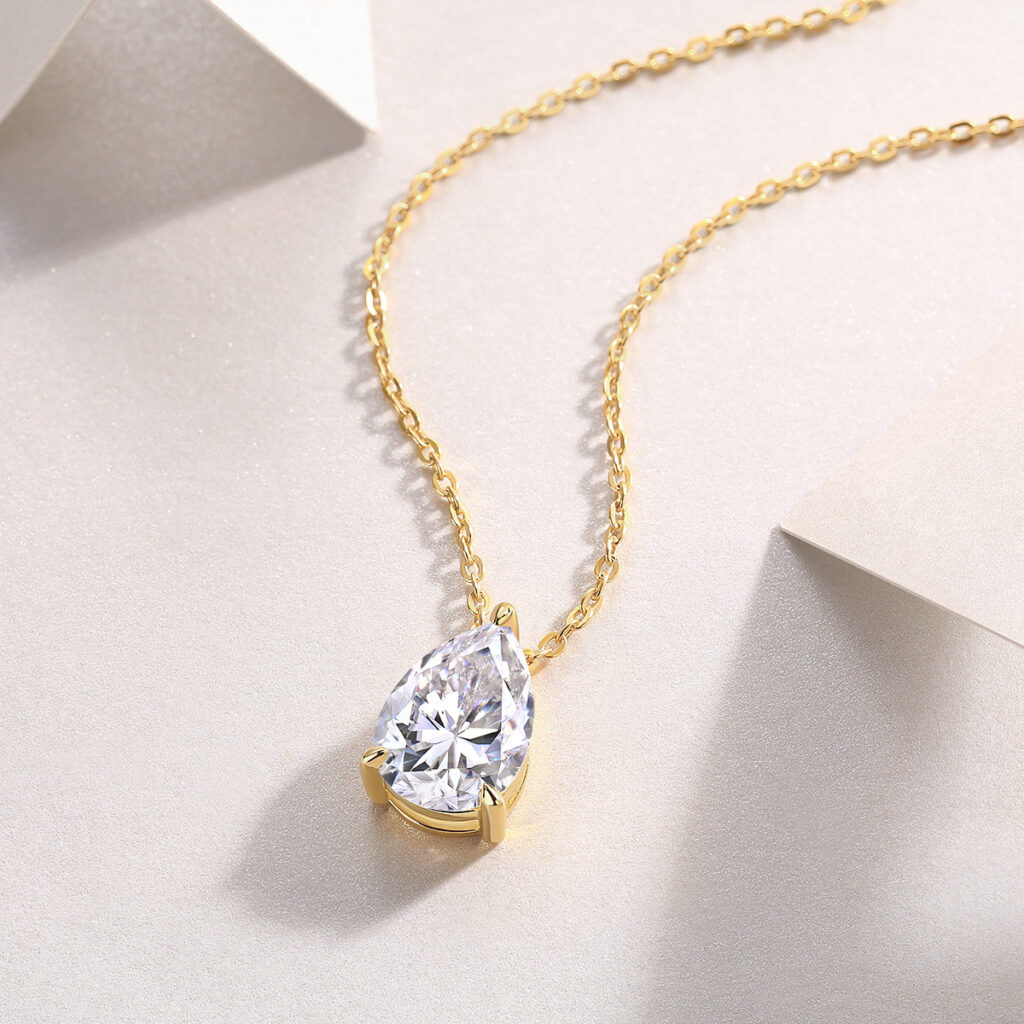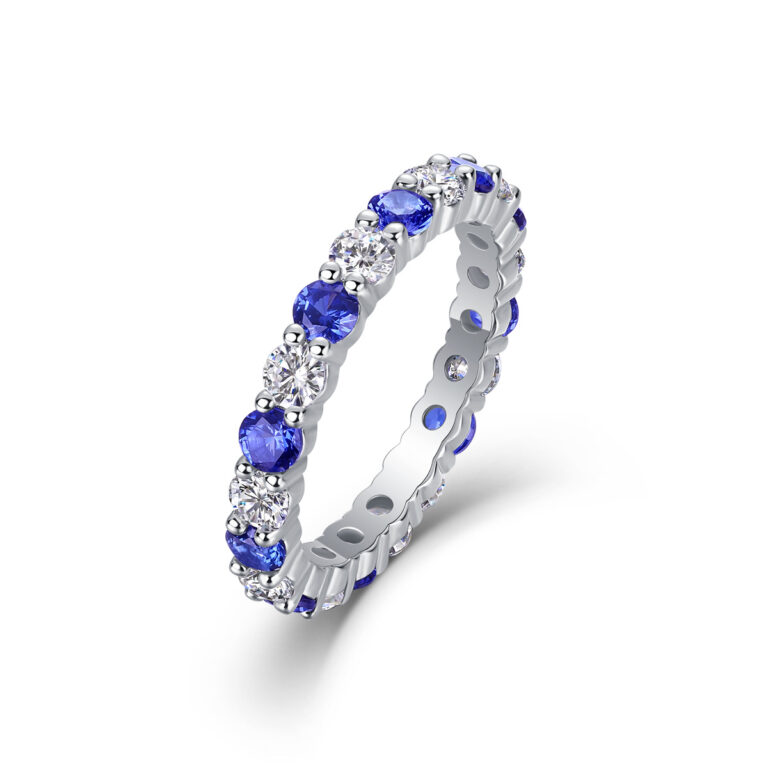
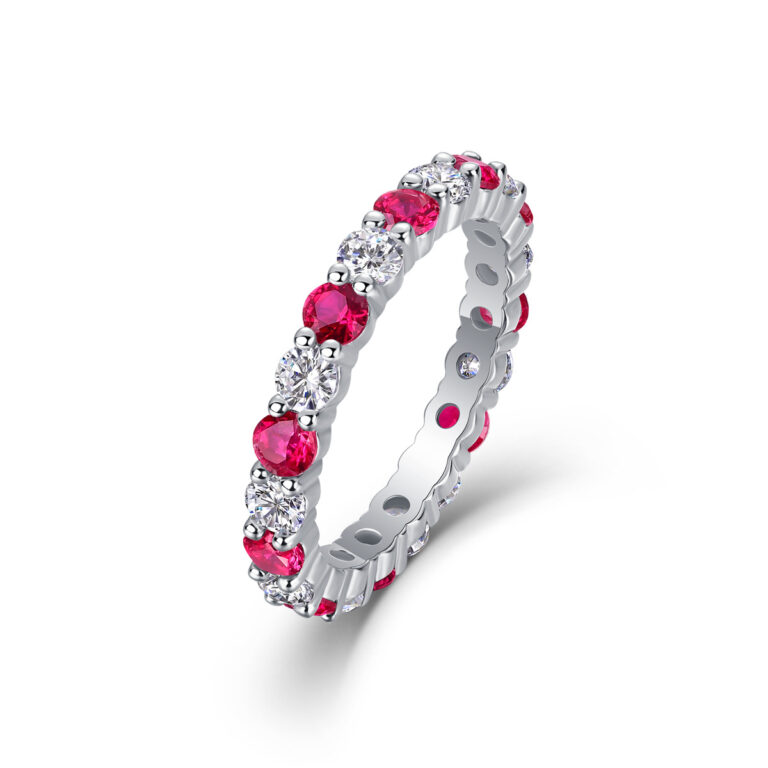
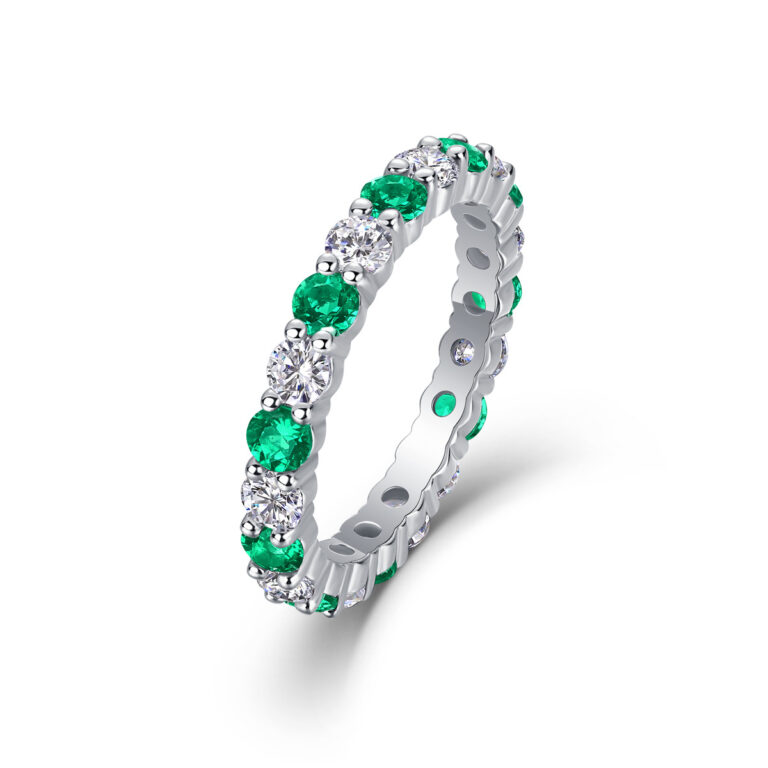

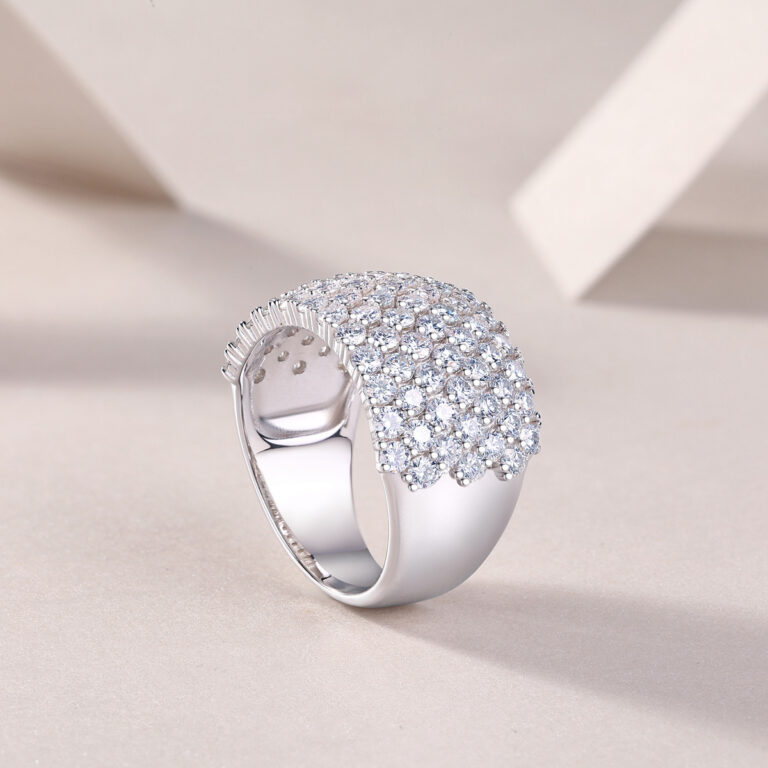
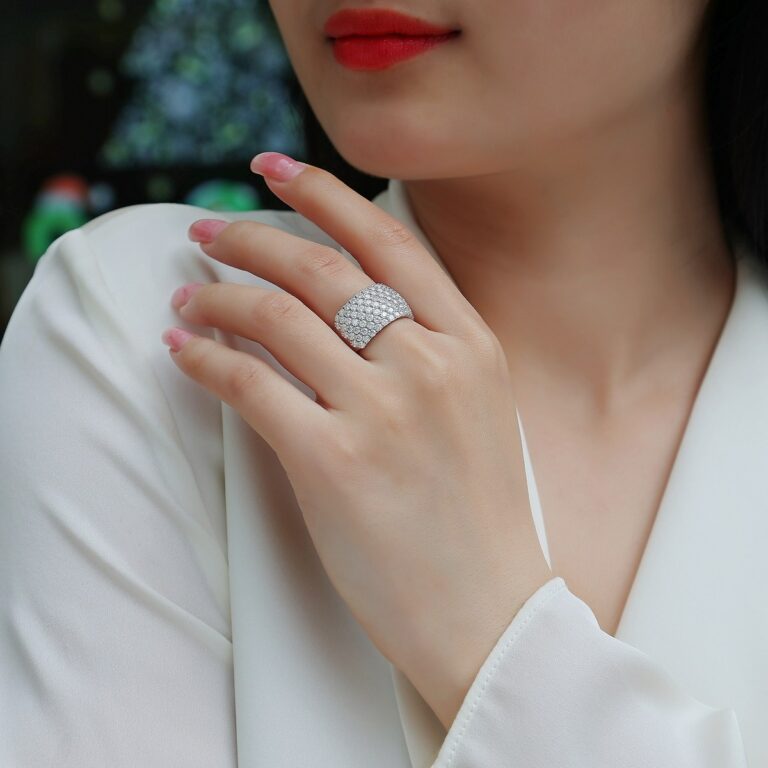
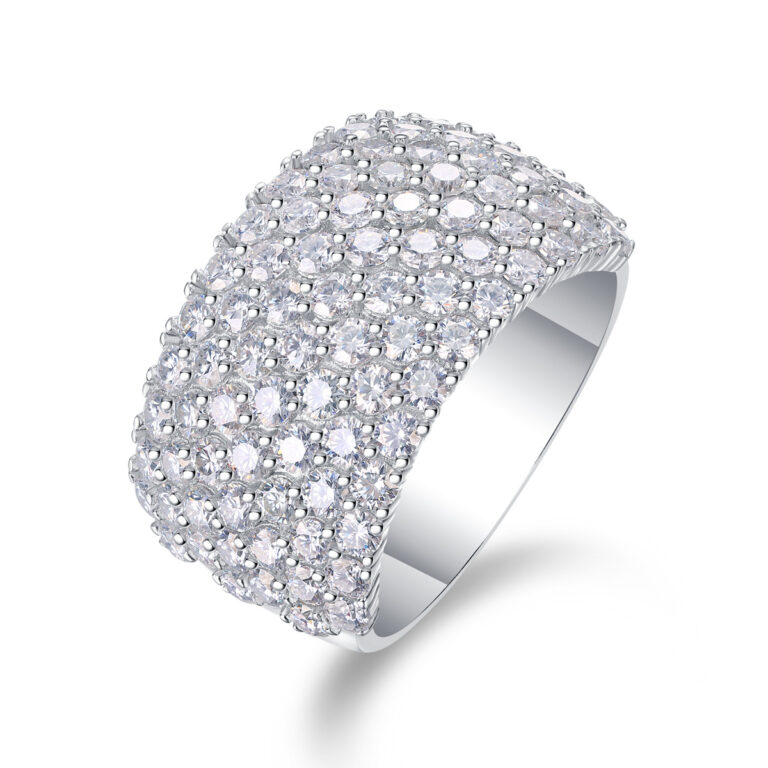

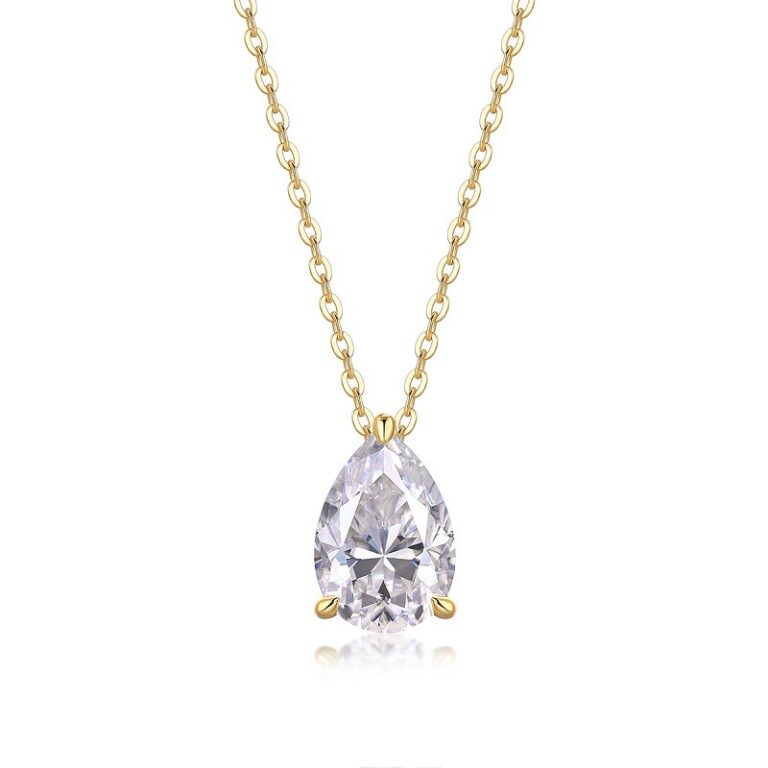
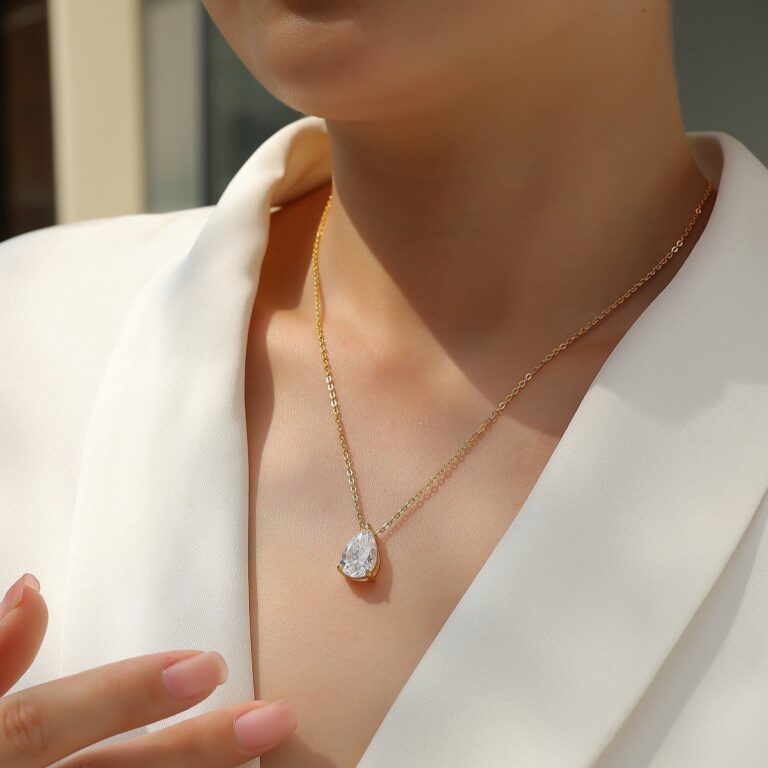

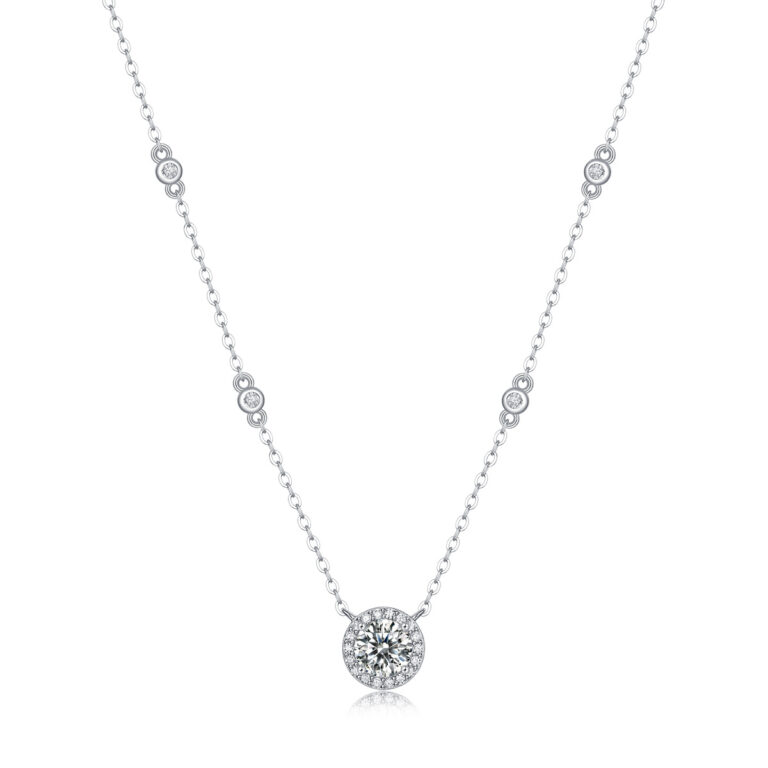
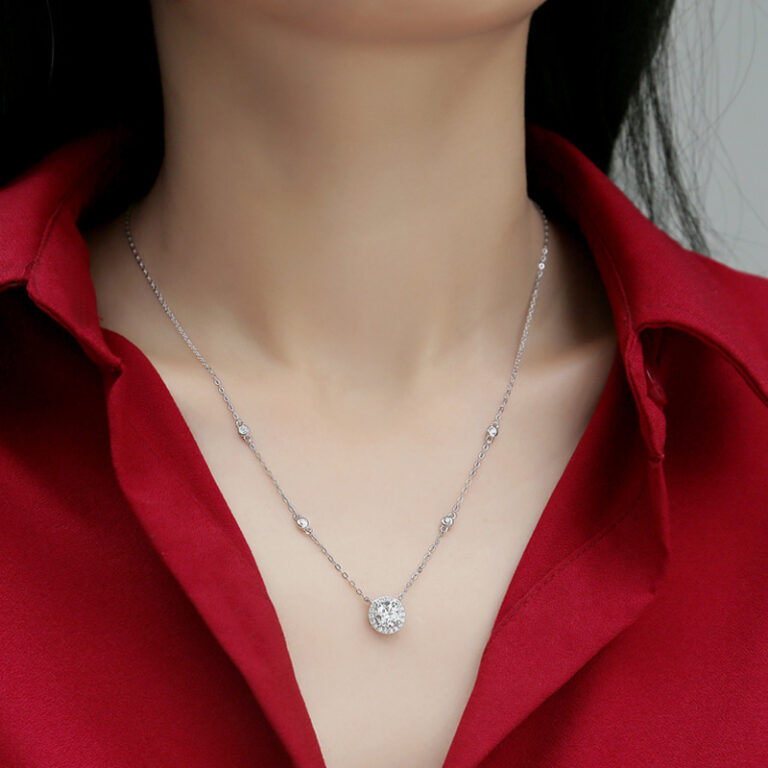
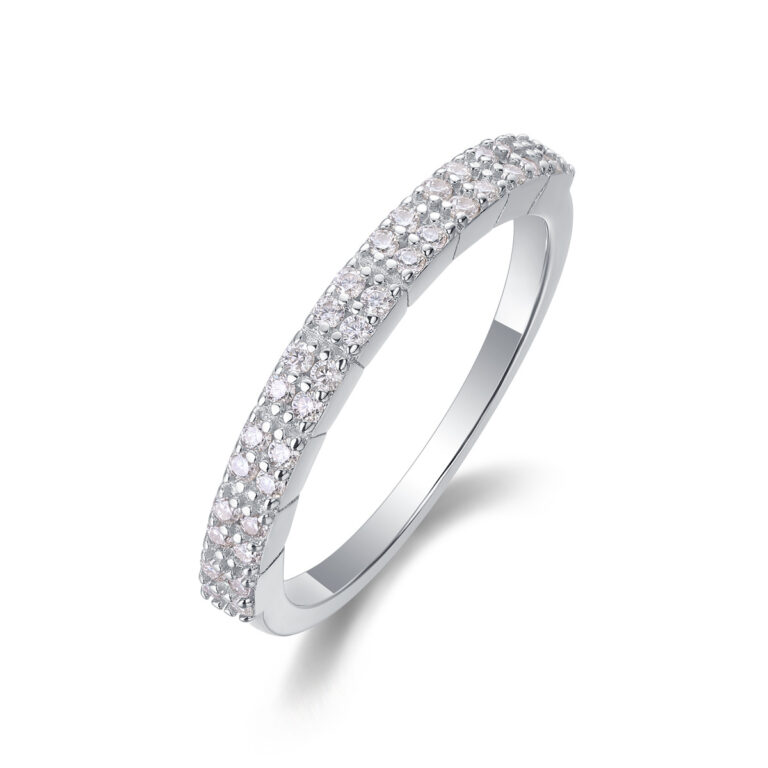

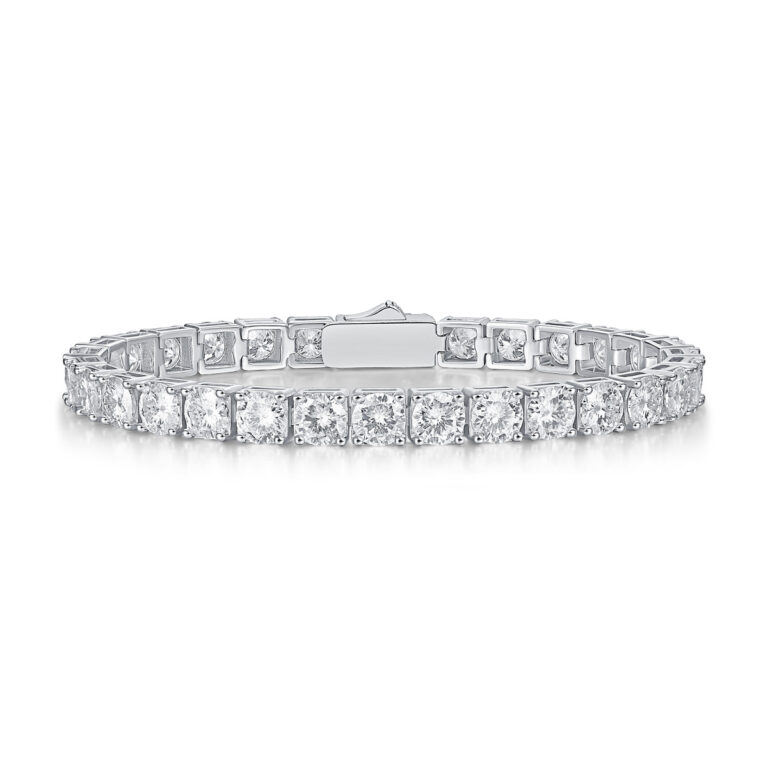

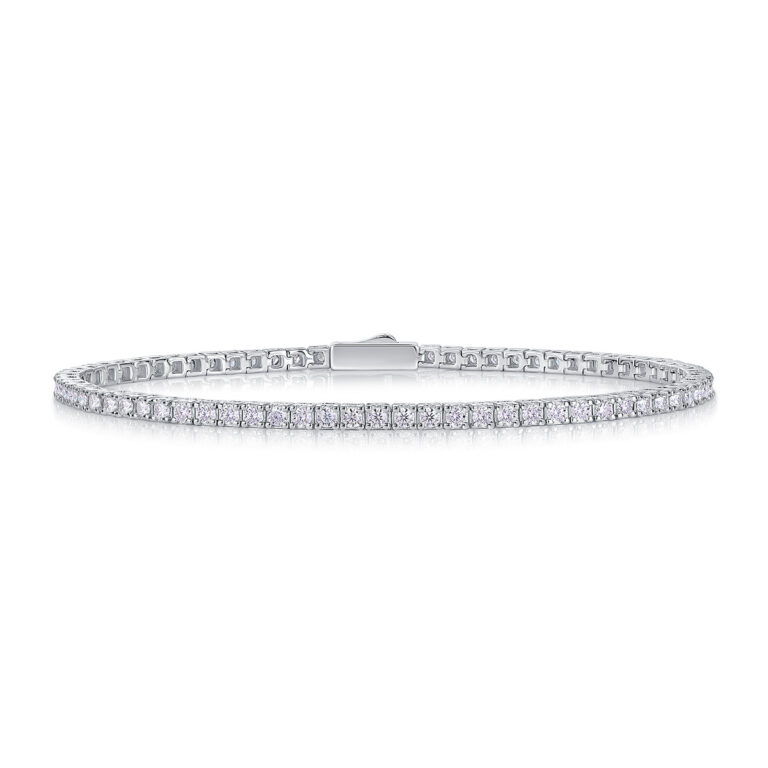
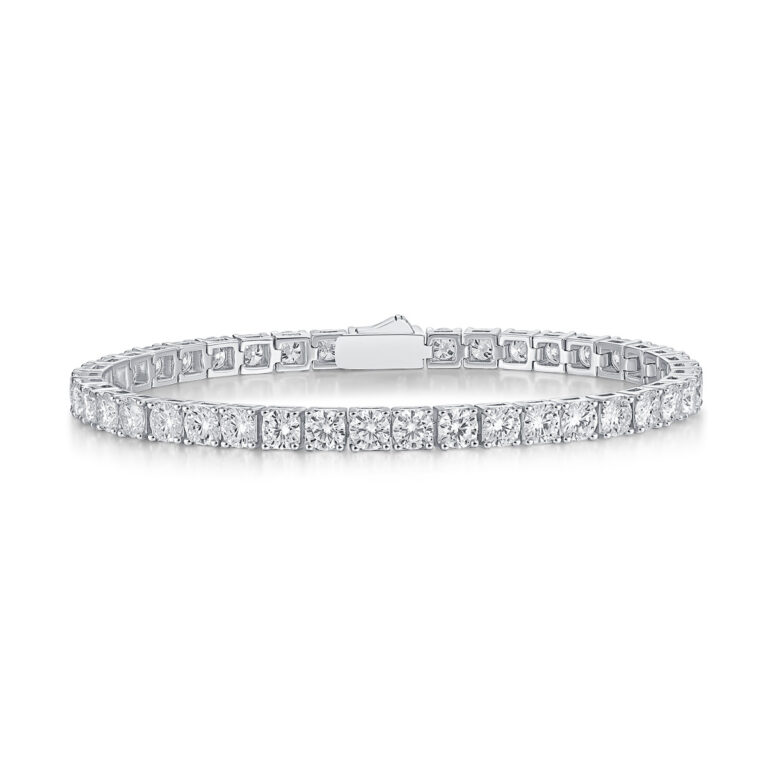
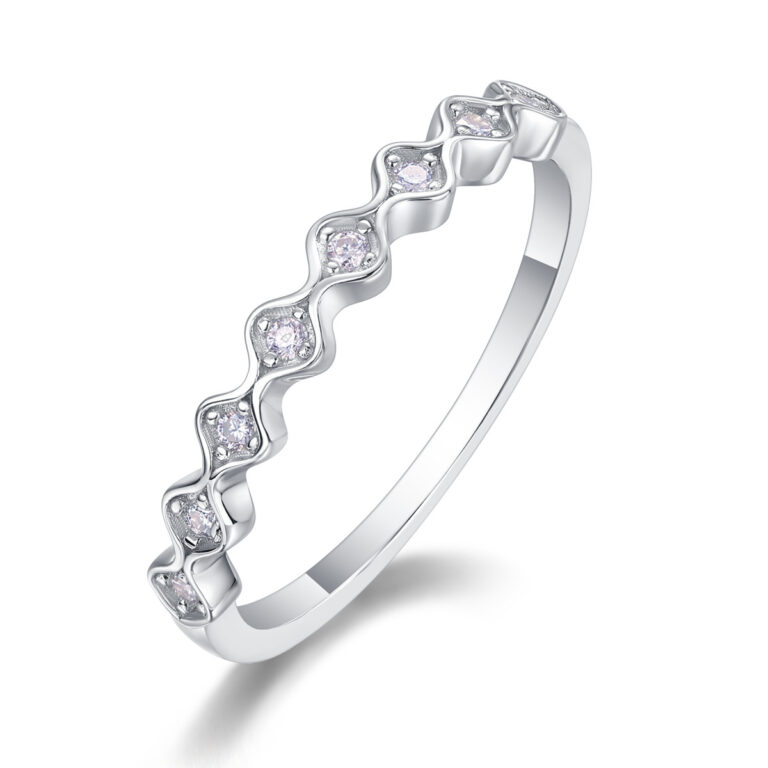


Stylish 925 Chain Silver for Men – Classic Sterling Silver Chain Design

In today’s jewelry market, a high-quality 925 chain silver for men has become one of the best-selling items for merchants, e-commerce sellers, shop owners, and distributors. Made from genuine sterling silver (92.5% pure silver), these chains offer the perfect mix of style, durability, and affordable pricing. Whether your customers love minimalist looks or bold statement pieces, a well-designed 925 chain silver can boost your sales and keep customers coming back. Let’s explore the hottest designs, how to style them, and why stocking them is a smart business move.
1741570994 gQtHdL

Table of Contents

  1. What Makes 925 Chain Silver So Popular with Men?
  2. Top 5 Classic and Trendy 925 Chain Silver Designs for Men
  3. How to Style a 925 Chain Silver – Everyday to Evening Looks
  4. Best Outfit Matches: From Casual Tees to Formal Suits
  5. Layering Tips That Sell More Chains
  6. Why Retailers and Distributors Love Stocking 925 Chain Silver
  7. Care Tips to Keep Your 925 Chain Silver Looking Brand New
  8. Final Thoughts – Add This Best-Seller to Your Store Today

Real sterling silver marked “925” is the gold standard in men’s jewelry. It shines bright, resists everyday wear, and won’t turn skin green like cheap metals. Guys love it because it looks expensive without the crazy price tag of gold or platinum. For merchants, the profit margin is excellent, and the universal appeal means almost every male customer aged 18–55 is a potential buyer. One simple 925 chain silver can be worn alone or layered – that versatility drives repeat purchases.

2. Top 5 Classic and Trendy 925 Chain Silver Designs for Men

Here are the designs flying off the shelves right now:

  • Figaro Chain – The timeless Italian classic with alternating small and large links. Looks great in 3mm–8mm width.
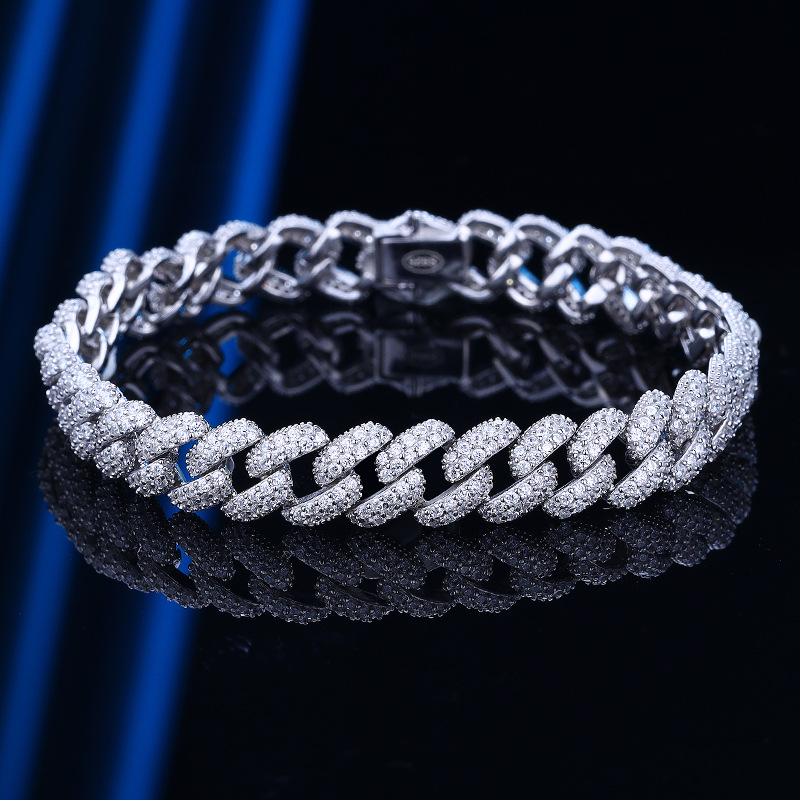
  • Cuban Link Chain – Bold, flat, and heavy-looking. Perfect for streetwear fans. 5mm–12mm are the hottest sellers.
  • Rope Chain – Twisted links that catch light beautifully. Super strong and never goes out of style.
  • Box Chain – Clean, square links that feel modern and minimal. Ideal for thinner 2mm–4mm everyday wear.
  • Franco Chain – Dense “V” pattern that looks premium from every angle. A favorite for slightly thicker statement pieces.

Stock a mix of 16″, 18″, 20″, 22″, and 24″ lengths – these cover 95% of customer needs.

3. How to Style a 925 Chain Silver – Everyday to Evening Looks

Teach your customers (and use these tips in product photos):
Morning casual: A thin 2–3mm box or rope 925 chain silver with a plain white T-shirt and jeans = effortless cool.
Office-ready: Pair a 4–6mm Figaro chain with an open-collar shirt. Let just a little silver peek out.
Night out: Go bold with an 8–10mm Cuban link over a black crew-neck or unbuttoned shirt. Instant swagger.

4. Best Outfit Matches: From Casual Tees to Formal Suits

  • White or black T-shirt → Any 925 chain silver works. Thicker chains pop more on dark colors.
  • Hoodies & streetwear → Cuban or Franco chains add edge.
  • Button-down shirts → Figaro or rope chains look classy when the top 2 buttons are open.
  • Suits (no tie) → Keep it subtle with a 3–5mm box chain. It adds personality without stealing the show.
  • Summer linen shirts → Light rope or paperclip-style chains feel relaxed and expensive.

5. Layering Tips That Sell More Chains

Layering is the #1 trend driving multiple sales per customer. Suggest these combos in your product descriptions and photos:

  • 18″ thin rope + 20″ medium Figaro + 22″ thick Cuban = perfect 3-layer look.
  • Two-tone trick: Mix polished silver with slightly oxidized pieces for depth.
  • Add a small pendant on the shortest chain to upsell even more.

When customers see layered photos, average order value jumps 30–50%.

6. Why Retailers and Distributors Love Stocking 925 Chain Silver

  • High perceived value, low production cost → excellent margins.
  • Hypoallergenic and tarnish-resistant (especially rhodium-finished ones).
  • One-size-fits-most lengths reduce returns.
  • Evergreen product – sells 365 days a year, not seasonal.
  • Easy to photograph and looks stunning on any skin tone.

7. Care Tips to Keep Your 925 Chain Silver Looking Brand New

Happy customers = repeat customers. Share these simple tips on your product page:

  • Store in a ziplock bag with an anti-tarnish strip.
  • Clean with a soft silver polishing cloth (never toothpaste).
  • Remove before swimming or heavy sweating.
  • Last thing off, first thing on – avoids perfume and hairspray damage.

8. Final Thoughts – Add This Best-Seller to Your Store Today

A stylish 925 chain silver for men is one of the easiest, most profitable items you can carry. From the classic Figaro to the chunky Cuban, these chains match every style and occasion. Stock different widths and lengths, show real styling photos, and watch them become your top-performing category.

Ready to boost your sales? Check out the full collection at https://lekanijewelry.com/ and add these timeless sterling silver chains to your inventory now.

Is 925 Sterling Silver Hypoallergenic?

Untitled

Many people worry about skin reactions when wearing jewelry. Metals like nickel or brass can cause itching, redness, or even rashes for those with sensitive skin. But what about 925 sterling silver? This popular choice in jewelry making stands out for its stability and low risk of causing allergies. In this article, we’ll explore if 925 sterling silver is truly hypoallergenic, why it’s been a go-to material for centuries, and what that means for your business as a merchant or retailer. Whether you’re stocking shelves or sourcing for your online store, understanding this can help you offer products that keep customers happy and coming back.

Table of Contents

What Is 925 Sterling Silver?

925 sterling silver is a type of metal alloy used widely in jewelry. It’s made up of 92.5% pure silver mixed with 7.5% other metals, usually copper. This mix makes it stronger than pure silver, which is too soft for everyday wear. The “925” stamp you see on pieces means it’s certified to have that exact makeup. For shop owners and distributors, this standard ensures quality and consistency in your inventory.

Why does this matter? Pure silver is great but bends easily, so adding a bit of copper helps it hold shapes like rings or necklaces. As an ecommerce seller, offering 925 sterling silver means you’re providing durable items that look shiny and last long. It’s not just about looks—it’s about building trust with buyers who want value. Think about it: customers hate when jewelry breaks or tarnishes fast. With 925 sterling silver, you reduce returns and boost reviews.

This alloy has been around for ages, but we’ll dive into that later. For now, know that its composition plays a big role in whether it causes skin issues. Unlike cheaper metals, 925 sterling silver avoids common allergens, making it a smart pick for sensitive skin markets.

Why Do Some Metals Cause Allergic Reactions?

Allergic reactions from jewelry happen when your skin touches certain metals that trigger the immune system. Nickel is the biggest culprit—it’s cheap and used in many low-cost pieces, but it can cause contact dermatitis. Symptoms include red, itchy patches that might blister or swell. Brass and some gold alloys can do the same if they contain nickel or other irritants.

Why does this occur? Your body sees these metals as foreign invaders and releases chemicals to fight them off. Over time, repeated exposure makes it worse. For retailers, this is key: stocking items that cause reactions leads to unhappy customers and bad word-of-mouth. Imagine a distributor sending out batches that spark complaints—it’s a quick way to lose business.

Other metals like cobalt or chromium sneak into alloys too. Even some stainless steel has nickel. But 925 sterling silver? It typically skips these troublemakers. The copper in it is stable and doesn’t leach out easily. As a merchant, choosing 925 sterling silver helps you cater to a growing crowd seeking hypoallergenic options. It’s not foolproof—rare cases exist—but it’s far safer than alternatives. This knowledge lets you market smarter, highlighting safety in product descriptions.

Is 925 Sterling Silver Hypoallergenic?

Yes, 925 sterling silver is generally considered hypoallergenic. That means it’s unlikely to cause allergic reactions for most people. The key is its makeup: 92.5% silver and 7.5% copper, without nickel or other common allergens. Silver itself is inert, meaning it doesn’t react much with skin. Copper adds strength but stays stable, so it rarely irritates.

Is it 100% safe for everyone? Not quite. A tiny group might react to copper, but that’s rare. If someone has a severe metal allergy, they should test first. For ecommerce sellers, this is gold—pun intended. You can label products as “hypoallergenic 925 sterling silver” to attract buyers with sensitive skin. It sets your store apart from those selling risky alloys.

Compare it to other options: Gold-plated items often hide nickel underneath, leading to problems once the plating wears off. Pure gold is safe but pricey. 925 sterling silver hits the sweet spot—affordable, stylish, and skin-friendly. As a shop owner, sourcing this material means fewer refunds. Plus, it’s versatile for earrings, bracelets, and more. Customers love knowing their jewelry won’t cause issues, especially for daily wear. So, if you’re asking, “Is 925 sterling silver hypoallergenic?” the answer is a strong yes for the majority.

The History of 925 Sterling Silver in Jewelry

925 sterling silver has a rich past, dating back centuries. In ancient times, silver was prized for its beauty and rarity. Egyptians used it for ornaments around 3000 BC, valuing its shine and workability. But pure silver was too soft, so they mixed it with other metals—early versions of alloys.

By the Middle Ages in Europe, sterling silver became standard. The term “sterling” comes from England, where King Henry II set rules in the 12th century. Coins had to be 92.5% silver for quality. This carried over to jewelry, ensuring pieces were durable yet pure. Craftsmen loved it because it could be hammered into intricate designs without breaking.

Fast forward to the 19th century: The Industrial Revolution made 925 sterling silver more accessible. Machines helped produce affordable jewelry for the masses. In America, silversmiths like those in colonial times used it for tableware and adornments. Today, it’s global—used in everything from wedding bands to fashion pieces.

Why has it stuck around? Its stability. Unlike reactive metals, 925 sterling silver resists corrosion and allergies. For distributors, this history adds value—you can tell stories in marketing, like “Timeless 925 sterling silver jewelry.” It appeals to buyers wanting heritage with modern safety.

Benefits of Using 925 Sterling Silver for Merchants and Sellers

As a merchant or retailer, picking 925 sterling silver brings big perks. First, its hypoallergenic nature cuts down on customer complaints. Happy buyers mean repeat sales and positive feedback, boosting your online ratings. In a crowded market, standing out with safe options like 925 sterling silver hypoallergenic jewelry draws in niche crowds.

Cost-wise, it’s budget-friendly compared to gold but looks premium. You can mark up prices while keeping sourcing low. Durability is another win—pieces don’t tarnish quickly if cared for, reducing warranty issues. For ecommerce sellers, this translates to better inventory turnover.

Versatility shines too. 925 sterling silver works with gems, engravings, or plain designs. Stock a range: from simple chains to bold pendants. As a distributor, you supply to various shops, knowing demand is steady. Trends favor sustainable materials, and silver is recyclable—eco-friendly appeal.

Finally, it’s easy to authenticate with the 925 stamp. Builds trust. If you’re a shop owner, feature it on your site to highlight quality. Overall, 925 sterling silver boosts profits through reliability and customer loyalty.

How to Care for 925 Sterling Silver Jewelry

Caring for 925 sterling silver keeps it looking new and maintains its hypoallergenic qualities. Tarnish happens from air exposure, but it’s simple to prevent. Store pieces in airtight bags or anti-tarnish cloths. Avoid moisture—take off jewelry before swimming or showering.

Cleaning is easy: Use mild soap and warm water, then dry with a soft cloth. For tougher spots, a baking soda paste works wonders. Polish gently to avoid scratches. As a seller, share these tips with customers—it shows expertise and encourages proper use.

Why bother? Good care extends life, reducing replacements. For retailers, this means satisfied clients who buy more. Warn about chemicals like perfume or lotion—they can speed up tarnish. Regular wear actually helps, as body oils create a natural barrier.

In your business, bundle care kits with sales. It adds value and promotes your brand. Remember, well-maintained 925 sterling silver stays shiny and safe, reinforcing why it’s a top choice.

Conclusion

In summary, 925 sterling silver is hypoallergenic for most, thanks to its stable composition. From ancient crafts to modern shops, it’s chosen for durability and skin-friendliness. As a merchant, retailer, or distributor, embracing it means offering quality that sells. Check out options at https://lekanijewelry.com/ to see how it fits your lineup. With proper care, it delivers lasting value—perfect for building a loyal customer base.

925 vs 999 Silver

925 vs 999 Silver

If you’re a merchant, ecommerce seller, shop owner, retailer, or distributor in the jewelry or precious metals space, picking the right type of silver can make a big difference in your inventory and sales. Both 925 silver and 999 silver have their places, but they serve different needs. 925 silver is tough and great for everyday wear items, while 999 silver stands out for its high purity and wide range of uses beyond just accessories. In this guide, we’ll break down the differences, uses, and tips to help you decide what’s best for your business. Let’s dive in and see how these options stack up.

Table of Contents

What is 925 Silver?

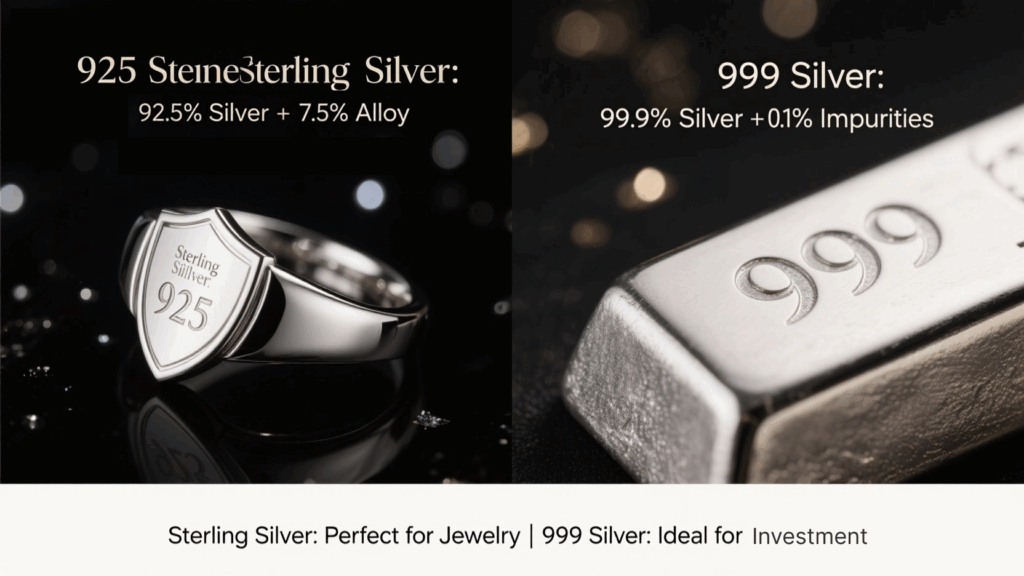
925 silver, often called sterling silver, is an alloy made up of 92.5% pure silver mixed with 7.5% other metals, usually copper. This mix makes it stronger and more resistant to wear compared to pure silver. It’s a popular choice in the market because it balances quality and cost well. For business owners like you, stocking 925 silver means offering products that hold up over time, which can lead to happy customers and fewer returns.

This type of silver has been around for centuries, used in everything from tableware to jewelry. The added metals help prevent scratches and dents, making it ideal for items that get handled a lot. If you’re running an online store or a retail shop, you’ll find that 925 silver appeals to buyers looking for affordable yet durable options. It’s easy to work with for crafting detailed designs, and it keeps its shine with basic care. Plus, it’s less likely to cause skin issues for sensitive customers, which is a big plus in sales.

What is 999 Silver?

999 silver, also known as fine silver, is 99.9% pure silver with just a tiny bit of other elements, about 0.1%. This high purity level makes it stand out as one of the purest forms available. It’s softer than alloys like 925 silver, but that softness allows for unique applications. As a distributor or retailer, understanding 999 silver can open up new product lines beyond traditional jewelry.

The purity of 999 silver gives it a bright, almost white luster that’s hard to beat. It’s often stamped with “.999” to show its quality, helping buyers trust what they’re getting. For ecommerce sellers, this type can attract investors or collectors who value purity over everything else. While it might not be as hardy for daily use, its versatility makes it a smart addition to your stock if you’re aiming for a diverse range.

Key Differences Between 925 and 999 Silver

When comparing 925 silver vs 999 silver, the main difference boils down to purity and strength. 925 silver has that 7.5% alloy mix, which boosts its hardness and makes it less prone to bending or scratching. On the flip side, 999 silver is nearly pure, so it’s softer and more malleable, which can be a pro or con depending on the use.

Price-wise, 999 silver often costs more because of its higher silver content, but 925 silver is easier on the budget for bulk buys. Durability is another key point—925 holds up better in high-wear situations, while 999 silver might show marks faster. For shop owners, think about your customers: if they’re after long-lasting pieces, go with 925; for purity fans, 999 silver fits the bill.

Appearance is similar at first glance, but 999 silver has a purer shine that doesn’t tarnish as quickly in some cases. Both can be polished to look great, but the alloy in 925 adds a subtle warmth. As a retailer, knowing these differences helps you guide buyers and boost sales by matching products to needs.

Common Uses of 925 Silver

925 silver shines brightest in the world of jewelry and accessories. It’s the go-to material for rings, necklaces, bracelets, and earrings because of its strength and ability to hold intricate designs without breaking down over time. For merchants and ecommerce sellers, this means you can offer a wide variety of stylish items that appeal to everyday shoppers.

Beyond basic jewelry, 925 silver is used in decorative items like photo frames or small sculptures, but its main strength is in wearable pieces. The added durability makes it perfect for pieces that see daily use, like wedding bands or charm bracelets. Shop owners often stock 925 silver because it’s versatile for plating or combining with gems, creating high-demand products.

It’s also favored for its hypoallergenic properties, reducing complaints from customers with sensitive skin. If you’re a distributor, consider how 925 silver fits into fashion trends—it’s easy to market as timeless and reliable. Overall, focusing on jewelry uses keeps your inventory moving fast.

Diverse Uses of 999 Silver

999 silver has a broader range of applications thanks to its high purity, making it a flexible choice for various industries. One major use is in investment products like bullion bars and coins, where purity ensures value retention. As a retailer or distributor, stocking 999 silver bullion can attract collectors and investors looking to hedge against market changes.

In electronics, 999 silver is prized for its excellent conductivity. It’s used in wiring, switches, and even solar panels to improve efficiency. For ecommerce sellers in tech-related niches, this opens doors to supplying components or related items. Photography once relied on 999 silver for film development, though digital shifts have changed that—still, it’s used in some specialty prints.

Medical fields benefit from 999 silver’s natural antibacterial qualities, appearing in wound dressings or surgical tools. Dentists use it in fillings for its biocompatibility. In the arts, sculptors and silversmiths prefer 999 silver for detailed work because it’s easy to shape. Yeah, it’s softer, but that makes it ideal for custom pieces.

Even in mirrors and reflective surfaces, 999 silver provides superior clarity. For business owners, diversifying with 999 silver means tapping into markets beyond jewelry, like industrial supplies or collectibles. This variety can help expand your customer base and increase profits.

Which Type of Silver Should You Stock?

Deciding between 925 silver and 999 silver depends on your target market and business goals. If your focus is on jewelry for everyday consumers, 925 silver is a safe bet—it’s durable, affordable, and sells well. Ecommerce sellers can highlight its strength in product descriptions to appeal to practical buyers.

For those dealing in high-end or investment items, 999 silver offers purity that commands higher prices. Distributors might stock both to cover different needs: 925 for volume sales and 999 for premium lines. Consider your storage and handling too—999 silver’s softness means extra care to avoid damage.

Think about trends: with rising interest in pure metals, 999 silver could boost your edge in competitive markets. Retailers, ask yourself what your customers value most—durability or purity? Mixing both in your inventory provides options and keeps things fresh.

Care Tips for 925 and 999 Silver

Proper care keeps both 925 and 999 silver looking sharp and extends product life, which is key for reducing returns in your business. For 925 silver, regular polishing with a soft cloth removes tarnish from the alloy mix. Store it in anti-tarnish bags to prevent exposure to air and moisture.

999 silver, being purer, tarnishes slower but scratches easier—so handle with care. Use mild soap and water for cleaning, avoiding harsh chemicals that could dull the shine. For both, advise customers to remove pieces before swimming or using lotions to maintain quality.

As a shop owner, sharing these tips in your listings builds trust and encourages repeat buys. Simple maintenance routines can make a big difference in customer satisfaction.

Final Thoughts

In the debate of 925 vs 999 silver, there’s no clear winner—it all comes down to what fits your business best. 925 silver excels in jewelry for its toughness, while 999 silver opens up exciting uses in investments, tech, and more. By understanding these, you can stock smarter and meet diverse customer demands. Keep an eye on market trends, and you’ll stay ahead in the game.

Sterling Silver 925 Pendant

Introduction

Sterling silver 925 pendants are timeless pieces that blend elegance and versatility, making them a must-have for jewelry merchants, ecommerce sellers, shop owners, retailers, and distributors. Crafted from 92.5% pure silver, these pendants offer durability and a polished shine that appeals to diverse customers. Whether you’re stocking your store or curating an online collection, understanding the designs, craftsmanship, and cultural preferences behind 925 pendants can help you meet market demands. Let’s dive into what makes these pieces so special and explore a standout example from Lekani Jewelry.

pendant

Table of Contents

  1. What Is a Sterling Silver 925 Pendant?
  2. Popular Designs of 925 Pendants
  3. Craftsmanship and Manufacturing Techniques
  4. Cultural Preferences and Consumer Trends
  5. Spotlight: Lekani Jewelry’s 925 Pendant
  6. Why Choose 925 Pendants for Your Business?
  7. Conclusion

What Is a Sterling Silver 925 Pendant?

A sterling silver 925 pendant is a jewelry piece made from an alloy containing 92.5% pure silver and 7.5% other metals, usually copper, for added strength. This composition ensures the pendant is durable yet retains that signature silver glow. Pendants are versatile—they can be worn on chains, cords, or even as charms. For retailers, stocking 925 pendants means offering customers a balance of quality and affordability. Unlike pure silver, which is too soft, 925 silver strikes the perfect balance, making it ideal for intricate designs that last.

Sterling silver 925 pendants come in a variety of designs to suit different tastes. Here are some popular styles:

  • Minimalist Designs: Simple shapes like circles, hearts, or geometric forms appeal to customers who love understated elegance. These are perfect for everyday wear and attract younger buyers.
  • Gemstone Accents: Many pendants feature gemstones like turquoise, amethyst, or cubic zirconia for a pop of color. These catch the eye and add value for retailers.
  • Symbolic Motifs: Crosses, stars, or cultural symbols like the Tree of Life resonate with buyers seeking meaningful jewelry.
  • Vintage-Inspired: Intricate filigree or engraved patterns draw in customers who love classic, ornate styles.

For example, the pendant at Lekani Jewelry features a delicate floral design with a sparkling gemstone center, blending minimalist and gemstone trends. This versatility makes it a bestseller for diverse markets.

Craftsmanship and Manufacturing Techniques

The beauty of a 925 pendant lies in its craftsmanship. Here’s a look at common techniques used to create these pieces:

  • Casting: Molten silver is poured into molds to create detailed shapes. This method is great for producing complex designs like the floral pendant at Lekani Jewelry.
  • Hand-Engraving: Artisans carve patterns by hand, adding a unique touch. This is popular for custom or high-end pieces.
  • Stamping: Metal sheets are cut or pressed into shapes, ideal for mass production of simpler designs.
  • Polishing and Plating: Pendants are polished for shine or plated with rhodium to enhance durability and prevent tarnishing.

Each technique affects the pendant’s look and price point. For instance, hand-engraved pieces may appeal to niche markets, while stamped designs suit budget-conscious buyers. Retailers can stock a mix to cater to different customer segments.

Jewelry preferences vary across regions, and understanding these can help merchants stock the right 925 pendants:

  • North America: Consumers here lean toward minimalist and gemstone-accented pendants. They value versatility—pieces that work for both casual and formal settings. The Lekani Jewelry pendant, with its floral and gemstone design, fits this trend perfectly.
  • Europe: Vintage and symbolic designs are popular, especially in markets like the UK and France, where buyers appreciate heritage-inspired jewelry.
  • Asia: Intricate designs with cultural motifs, like lotus flowers or jade inlays, are in demand. Bright gemstones also appeal to younger buyers.
  • Middle East: Bold, statement-making pendants with larger gemstones or gold-plated accents are favored for their luxurious appeal.

Seasonal trends also play a role. Heart-shaped pendants sell well around Valentine’s Day, while spiritual motifs peak during holidays. Retailers can use these insights to curate collections that resonate with their target audience.

Spotlight: Lekani Jewelry’s 925 Pendant

One standout example is the sterling silver 925 pendant from Lekani Jewelry. This piece features a delicate floral design with a central gemstone that catches the light beautifully. Crafted using precision casting, it showcases fine details that appeal to customers seeking elegance without extravagance. The pendant’s versatile design makes it suitable for daily wear or special occasions, appealing to a wide range of buyers. Its rhodium plating ensures long-lasting shine, reducing maintenance for customers. For retailers, this pendant is a great addition due to its universal appeal and high-quality craftsmanship.

Why Choose 925 Pendants for Your Business?

Sterling silver 925 pendants are a smart choice for merchants and retailers for several reasons:

  • Affordability: Compared to gold or platinum, 925 silver offers a budget-friendly option without sacrificing quality.
  • Versatility: With endless design possibilities, pendants can cater to diverse customer preferences, from minimalist to ornate.
  • Durability: The 92.5% silver alloy ensures pieces withstand daily wear, reducing returns for retailers.
  • Market Demand: Sterling silver remains a top choice for jewelry buyers globally, ensuring steady sales.

By stocking pieces like the Lekani Jewelry pendant, retailers can attract customers looking for both style and value. Offering a mix of designs—minimalist, gemstone, or symbolic—ensures you meet varied tastes and boost sales.

Conclusion

Sterling silver 925 pendants are a cornerstone of any jewelry business, offering a blend of style, durability, and affordability. From minimalist designs to intricate, gemstone-accented pieces, there’s a pendant for every customer. Understanding craftsmanship techniques and cultural preferences allows merchants to curate collections that resonate with their audience. The pendant from Lekani Jewelry is a prime example of how quality and design can drive sales. Stock these versatile pieces to elevate your inventory and meet the demands of today’s jewelry lovers.

925 Sterling Silver Cuff Bracelet

Introduction

Cuff bracelets have long been celebrated for their bold, statement-making designs and timeless elegance. Among the many materials used for crafting these accessories, 925 sterling silver stands out as a favorite for its exceptional quality, durability, and versatility. For merchants, ecommerce sellers, shop owners, retailers, and distributors, understanding the unique appeal of 925 sterling silver cuff bracelets is essential for curating collections that resonate with customers. In this article, we’ll explore what sets cuff bracelets apart from regular bracelets, the benefits of using 925 sterling silver, and why products like the LKN-13NE cuff bracelet from [lekanijewelry.com] are perfect for your inventory. Whether you’re looking to expand your product range or educate your customers, this guide will provide valuable insights into the world of 925 sterling silver cuff bracelets.

Table of Contents

1. What is a Cuff Bracelet?

A cuff bracelet is a type of jewelry characterized by its rigid, open-ended design. Unlike traditional bracelets that often feature clasps or hinges, cuff bracelets are designed to slip over the wrist without any fastening mechanism. This unique structure not only enhances their aesthetic appeal but also makes them incredibly easy to wear and remove. Typically worn low on the wrist, cuff bracelets can be crafted from various materials, including metals like gold, platinum, and sterling silver, as well as leather or resin. However, 925 sterling silver is particularly popular due to its balance of beauty, durability, and affordability. Cuff bracelets have a rich history, dating back to ancient civilizations where they were often worn as symbols of status or protection. Today, they remain a versatile accessory, perfect for both casual and formal occasions.

2. Differences Between Cuff Bracelets and Regular Bracelets

While all cuff bracelets are technically bracelets, not all bracelets are cuff bracelets. The key differences lie in their design and functionality:

Design: Cuff bracelets are rigid and open-ended, with no clasp or hinge. They are designed to slide over the wrist and sit snugly without any fastening. In contrast, regular bracelets, such as bangle bracelets, are typically closed circles that either slip over the hand or feature a clasp or hinge for closure.

Wearability: Cuff bracelets are often worn lower on the wrist, closer to the hand, and are less likely to slide around. Bangles, on the other hand, can be worn higher up the arm and are more prone to movement.

Style: Cuff bracelets are often seen as bold, statement pieces due to their open design and rigid structure. They can be more intricate and decorative, making them a focal point in any jewelry collection. Regular bracelets, especially chain or link bracelets, tend to be more flexible and can be layered for a stacked look.

Versatility: While both types of bracelets can be styled in various ways, cuff bracelets offer a unique edge due to their adjustable nature. They can be worn alone for a minimalist look or paired with other accessories for a more eclectic style.

Understanding these differences is crucial for merchants and sellers when curating their product offerings, as customers often seek specific styles to match their personal taste or occasion.

3. Benefits of 925 Sterling Silver for Jewelry

925 sterling silver is an alloy composed of 92.5% pure silver and 7.5% other metals, typically copper. This composition makes it an ideal material for jewelry, offering a perfect balance of beauty and practicality. Here are some key benefits of using 925 sterling silver:

Durability: Pure silver is too soft for everyday wear, but the addition of other metals like copper makes 925 sterling silver much stronger and more resistant to bending or breaking.

Affordability: Compared to other precious metals like gold or platinum, 925 sterling silver is significantly more affordable, making it an excellent choice for both budget-conscious consumers and high-end buyers looking for value.

Hypoallergenic: Many people are sensitive to certain metals, but 925 sterling silver is generally hypoallergenic, especially when it’s of high quality and properly cared for.

Versatility: Sterling silver can be crafted into a wide range of designs, from simple and elegant to intricate and detailed, catering to diverse tastes and preferences.

Timeless Appeal: Silver has a classic, understated beauty that never goes out of style, making it a staple in jewelry collections for generations.

Easy to Care For: With proper maintenance, 925 sterling silver jewelry can retain its shine and luster for years. Simple cleaning and proper storage can prevent tarnishing and keep the piece looking new.

For merchants and sellers, these benefits make 925 sterling silver an attractive option for expanding product lines, as it appeals to a broad customer base and offers excellent value for money.

4. Introducing the LKN-13NE Cuff Bracelet

At [lekanijewelry.com], the LKN-13NE cuff bracelet is a standout example of the craftsmanship and quality that 925 sterling silver offers. This bracelet features a unique wicker texture with a twisted design, giving it a distinctive punk retro aesthetic that appeals to both men and women. Made entirely of 925 sterling silver (also referred to as S925 silver), this cuff bracelet ensures durability and longevity, making it a reliable choice for everyday wear.

The use of solid 925 sterling silver in this bracelet highlights its premium quality, as it ensures the piece is both sturdy and resistant to wear. This makes it an excellent addition to any jewelry collection, appealing to customers who value both style and substance.

5. Why Choose 925 Sterling Silver Cuff Bracelets?

For merchants, ecommerce sellers, and retailers, stocking 925 sterling silver cuff bracelets like the LKN-13NE offers several advantages:

Style and Elegance: Cuff bracelets made of 925 sterling silver add a touch of sophistication to any outfit. Their open design and natural shine make them versatile accessories that can elevate both casual and formal looks.

Durability and Longevity: The robust nature of 925 sterling silver ensures that these bracelets can withstand daily wear, reducing returns and customer complaints about damaged products.

Broad Appeal: Sterling silver cuff bracelets are suitable for a wide range of customers, from those seeking everyday accessories to those looking for special occasion pieces. Their timeless appeal ensures they remain in demand across seasons and trends.

Gift-Worthy: With their elegant design and versatility, 925 sterling silver cuff bracelets make excellent gifts for various occasions, from birthdays to holidays. This increases their appeal as a product category.

Profitability: The affordability of sterling silver compared to other precious metals allows for competitive pricing while maintaining healthy profit margins.

By focusing on high-quality products like the LKN-13NE cuff bracelet, sellers can attract customers who value craftsmanship and durability, setting their brand apart in a competitive market.

6. Conclusion

925 sterling silver cuff bracelets, such as the LKN-13NE from [lekanijewelry.com], represent the perfect blend of style, durability, and affordability. Their unique design, combined with the timeless appeal of sterling silver, makes them a must-have for any jewelry collection. For merchants, ecommerce sellers, shop owners, retailers, and distributors, offering these bracelets can help attract a wide range of customers, from fashion enthusiasts to those seeking meaningful gifts. By understanding the differences between cuff bracelets and regular bracelets, the benefits of 925 sterling silver, and the specific qualities of products like the LKN-13NE, you can confidently curate a collection that meets the needs of your target audience. Explore the world of 925 sterling silver cuff bracelets today and elevate your product offerings to new heights.

Will 925 Sterling Silver Turn Skin Green?

Are you thinking about adding 925 sterling silver jewelry to your shop’s collection? Or maybe you’ve had customers ask whether 925 sterling silver will turn their skin green. This question matters to any merchant, ecommerce seller, shop owner, or distributor who wants to offer quality products and clear after-sales support.

Let’s dive deep into the science and real-life experience with 925 sterling silver. This guide unpacks why some people’s skin might turn green, how to help your customers avoid it, and why 925 sterling silver remains a reliable choice for jewelry.

Will 925 Sterling Silver Turn Skin Green 1

Table of Contents

  1. What Is 925 Sterling Silver?
  2. Why Does Skin Turn Green from Jewelry?
  3. Will 925 Sterling Silver Turn Skin Green?
  4. Factors That Affect Skin Reaction to 925 Sterling Silver
  5. How to Prevent Skin Discoloration from 925 Sterling Silver
  6. Why 925 Sterling Silver Remains Popular Among Merchants
  7. Maintenance Tips for 925 Sterling Silver Jewelry
  8. Frequently Asked Questions About Sterling Silver and Skin
  9. Conclusion

What Is 925 Sterling Silver?

925 sterling silver is a popular metal for jewelry makers around the world. The term “925” means the silver is made from 92.5% pure silver and 7.5% other metals, usually copper. Pure silver is too soft for most jewelry, so adding a small amount of other metals makes it strong enough for daily wear.

Not only is 925 sterling silver affordable, but it’s also known for its shiny and elegant look. It’s easy to shape into rings, necklaces, earrings, and other stylish pieces. For shop owners and distributors, 925 sterling silver offers excellent value and lasting appeal.

Why Does Skin Turn Green from Jewelry?

Sometimes, people notice a green or black mark on their skin after wearing a ring or bracelet. This reaction is common with many types of jewelry, especially those containing copper. Here’s what’s happening:

  • The green color is a kind of stain, not a rash or serious allergy.
  • It’s caused by a chemical reaction between acids (in sweat or lotions) and the copper in the metal.
  • This reaction forms copper salts, which have a greenish tint and can rub off onto skin.

This “green finger” effect tends to show up more in hot weather, with sweating, or if a person’s skin is more acidic.

Will 925 Sterling Silver Turn Skin Green?

Most people will not experience green skin from 925 sterling silver, but some might under certain conditions. Because 925 sterling silver includes 7.5% copper, a green tint could appear if the jewelry reacts with sweat, lotion, or certain chemicals. However, pure sterling silver is much less likely to cause this reaction compared to cheaper, low-quality jewelry metals.

For the majority of users, 925 sterling silver does not cause noticeable skin discoloration with normal use and proper care.

Factors That Affect Skin Reaction to 925 Sterling Silver

Several factors can influence whether someone sees a green tint on their skin:

  • Skin chemistry: Person-to-person differences mean some people react more than others. If someone has acidic skin, the chance of a reaction is higher.
  • Environment: Humid or warm climates, heavy sweating, and exposure to chemicals or lotions can speed up the reaction.
  • Jewelry Care: Jewelry that isn’t cleaned regularly can have built-up oils and dirt, which make reactions more likely.
  • Quality Standards: Authentic 925 sterling silver meets certain quality standards, but pieces with a lower silver content or poor plating could cause more discoloration.

As a retailer or distributor, it pays to educate your customers about these factors.

How to Prevent Skin Discoloration from 925 Sterling Silver

The good news is, preventing green marks is easy with a bit of awareness and maintenance.

  • Suggest customers remove silver jewelry when swimming, exercising, or using cleaning products.
  • Recommend storing jewelry in a dry place when not in use.
  • Wearing clean, dry skin reduces the chance of reaction.
  • Polishing with a soft jewelry cloth helps keep the piece shiny and free from tarnish.
  • Some buyers choose sterling silver jewelry coated with rhodium, which acts as a barrier between skin and the metal underneath.

Letting your buyers know about these tips encourages customer satisfaction and repeat sales.

Despite occasional reports of green skin, 925 sterling silver is still a preferred material for fine jewelry. Here’s why sellers trust it:

  • Versatility: Works well for rings, earrings, necklaces, and bracelets.
  • Hypoallergenic Qualities: Contains no nickel, so fewer people experience true allergies.
  • Long-lasting Shine: With easy care, it stays bright and beautiful.
  • Value: Offers an affordable alternative to white gold or platinum.

As a merchant, promoting the quality and benefits of 925 sterling silver helps build customer trust.

Maintenance Tips for 925 Sterling Silver Jewelry

For shop owners and distributors, sharing maintenance tips adds value to the buyer experience and reinforces your role as a trusted source.

  • Clean regularly: Use a jewelry cloth or mild soapy water.
  • Avoid harsh chemicals: Perfume, hairspray, and lotion can speed up tarnishing.
  • Store smartly: Keep pieces in separate pouches or boxes to prevent scratching.

Over time, all sterling silver will tarnish and lose a little shine—but a fast polish can restore its luster.

Frequently Asked Questions About Sterling Silver and Skin

Q: Does green skin mean the jewelry is fake?
A: No. Even high-quality 925 sterling silver can occasionally cause a green tint as a normal chemical reaction with copper.

Q: Is the green tint dangerous or permanent?
A: No. It is harmless and washes off easily with soap and water.

Q: How do I reassure customers who worry about green skin?
A: Let them know it’s a normal reaction for some, doesn’t affect quality, and is easy to prevent with regular cleaning and good care.

Conclusion

925 sterling silver is a reliable choice for jewelry merchants, ecommerce shops, and distributors. While a small number of people may notice a green tint on their skin, it’s a harmless reaction and not a sign of low quality. By focusing on good care and honest customer education, sellers can promote sterling silver pieces with confidence and help shoppers enjoy their jewelry for years to come.

is 925 silver good quality?

Introduction

In the world of jewelry, precious metals like gold and silver are often paired with gems such as diamonds, sapphires, or crystals to create stunning pieces. When it comes to silver, one type stands out: 925 silver, also known as sterling silver. It’s a go-to choice for many jewelers, but is 925 silver good quality? This article dives into why 925 silver is widely used as a base material—or even the sole material—in jewelry, exploring its benefits, drawbacks, and why it’s a favorite among manufacturers. We’ll also share tips on caring for 925 silver to keep it shining bright.

Table of Contents

What is 925 Silver?

925 silver, or sterling silver, is an alloy made of 92.5% pure silver and 7.5% other metals, usually copper. This mix makes it stronger than pure silver, which is too soft for everyday jewelry. The “925” stamp on jewelry shows it meets this standard, ensuring quality and durability. It’s used in everything from rings to necklaces because it’s affordable, beautiful, and versatile. At Lekani Jewelry, we see 925 silver as a reliable choice for creating pieces that balance style and durability.

Benefits of Using 925 Silver

925 silver is popular for good reasons. Here are the key benefits that make it a top pick for jewelry:

  1. Durability for Daily Wear
    The 7.5% copper in 925 silver boosts its strength, making it tough enough for everyday use. Unlike pure silver, which can bend or scratch easily, 925 silver holds up well in rings, bracelets, and necklaces. This durability means your customers can wear their pieces without worrying about damage, making it a practical choice for retailers and distributors.
  2. Hypoallergenic and Skin-Friendly
    Got customers with sensitive skin? 925 silver is often hypoallergenic, as it typically avoids nickel, a common allergen. This makes it a safe bet for earrings, necklaces, and other pieces worn close to the skin. Its skin-friendly nature broadens your market, appealing to those who need jewelry that won’t irritate.
  3. Shiny, Timeless Look
    Let’s be honest—925 silver looks amazing. Its bright, polished finish catches the eye and pairs beautifully with gems or stands alone in minimalist designs. With proper care, that shine lasts, giving customers high-quality pieces that feel luxurious without the hefty price tag of gold or platinum.
  4. Design Flexibility
    925 silver is easy to shape, letting artisans craft everything from delicate chains to bold, intricate pendants. This versatility allows ecommerce sellers and shop owners to offer diverse collections, catering to all kinds of tastes, from classic to trendy.

Drawbacks of 925 Silver

No material is perfect, and 925 silver has a couple of downsides to consider:

  1. Tarnishing Over Time
    The copper in 925 silver makes it prone to tarnishing when exposed to air, moisture, or sulfur. This can dull the shine, which might turn off some customers if they don’t know how to handle it. But don’t worry—tarnish is easy to clean with the right care, and it’s a small price to pay for such a durable material.
  2. Needs Regular Maintenance
    To keep 925 silver looking its best, it needs a bit of TLC. Regular cleaning and polishing are a must to prevent tarnish and maintain that glossy finish. For merchants, this means educating customers on care routines to ensure they’re happy with their purchase long-term.

Why Jewelry Manufacturers Choose 925 Silver

So, why do so many jewelers pick 925 silver? It’s not just about the material—it’s about what it offers businesses like yours:

  1. High-Quality Standard
    With 92.5% pure silver, 925 silver meets global quality standards, giving your products credibility. Customers trust the “925” stamp, knowing it’s a mark of quality. This makes it easier for retailers and distributors to market pieces as premium yet affordable, boosting sales potential.
  2. Cost-Effective and Profitable
    Compared to gold or platinum, 925 silver is budget-friendly, letting you offer high-quality jewelry at prices that attract a wide audience. Its affordability doesn’t compromise its look or feel, making it a smart choice for ecommerce sellers aiming to maximize profit margins.
  3. Craftsmanship-Friendly
    Artisans love working with 925 silver because it’s malleable yet strong. Whether you’re creating custom designs or mass-producing classics, it supports intricate detailing and durability. This flexibility helps manufacturers keep up with trends while maintaining quality.
  4. Trusted by the Industry
    925 silver is the gold standard—well, silver standard—for jewelry. Its widespread use means customers recognize and value it, giving shop owners and distributors confidence in stocking pieces that sell. It’s a safe, reliable choice for any jewelry business.

Care Tips for 925 Silver Jewelry

To ensure 925 silver stays in top shape, share these care tips with your customers:

  1. Clean It Regularly
    Wipe jewelry with a soft, lint-free cloth after wearing to remove oils and dirt. For deeper cleaning, use mild soap and water, rinse well, and dry thoroughly. This keeps pieces sparkling and prevents tarnish buildup, ensuring customer satisfaction.
  2. Avoid Harsh Chemicals
    Tell customers to keep 925 silver away from chlorine, bleach, or ammonia, which can speed up tarnishing or damage the metal. For example, they should take off their jewelry before swimming or cleaning. This simple step extends the life of their pieces.
  3. Store It Properly
    Store 925 silver in a cool, dry place, ideally in a jewelry box or soft pouch to avoid scratches. Anti-tarnish strips can help, too. Proper storage is key for retailers to advise, as it keeps jewelry looking brand-new for years.
  4. Polish When Needed
    If tarnish appears, a silver polishing cloth or specialized cleaner can restore the shine. Remind customers to follow product instructions carefully to avoid damage. Offering these tips can set your business apart, showing you care about their experience.

Conclusion

So, is 925 silver good quality? Absolutely. Its durability, hypoallergenic properties, and stunning shine make it a top choice for jewelry. While it requires some care to prevent tarnishing, the benefits far outweigh the drawbacks. Manufacturers love 925 silver for its quality, affordability, and versatility, making it a staple for merchants, ecommerce sellers, shop owners, retailers, and distributors. By stocking 925 silver jewelry from Lekani Jewelry and sharing care tips, you can offer customers pieces they’ll love for years, boosting your reputation and sales.