






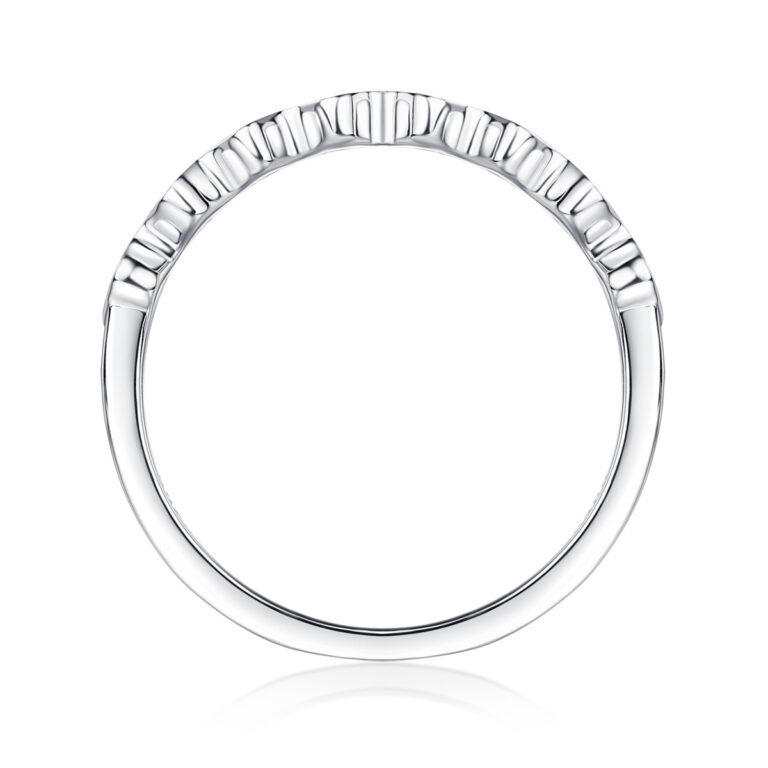

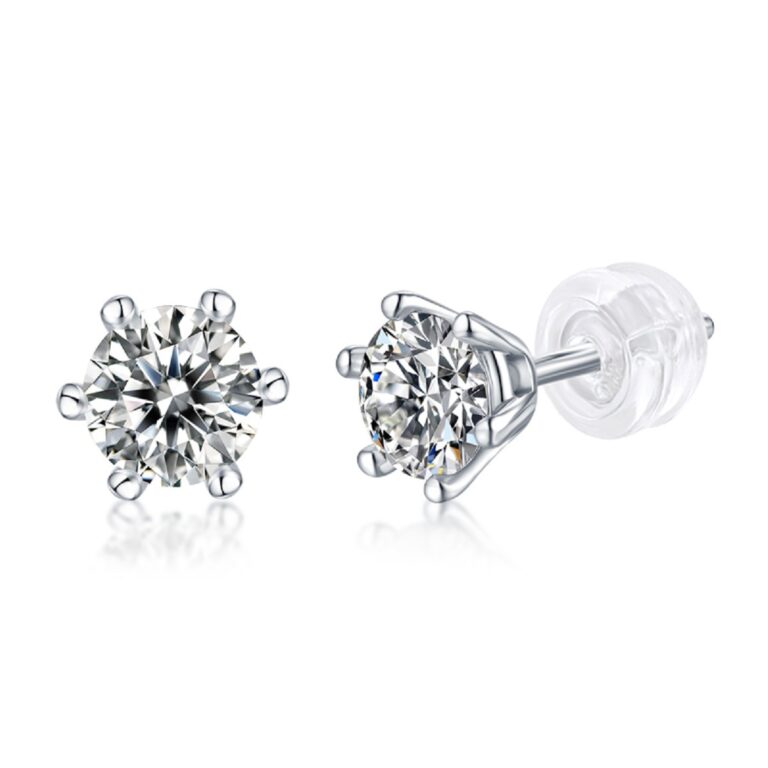
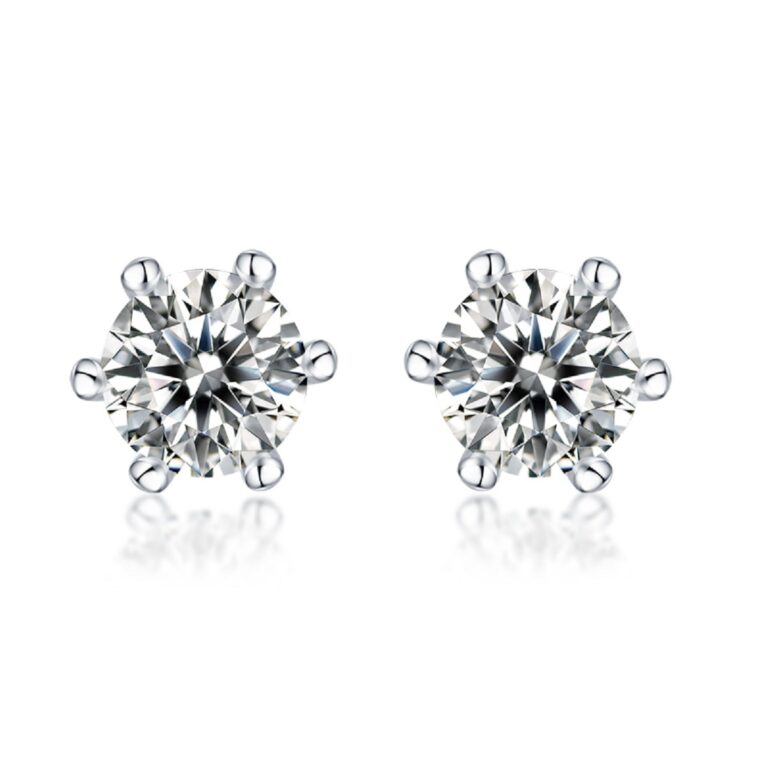
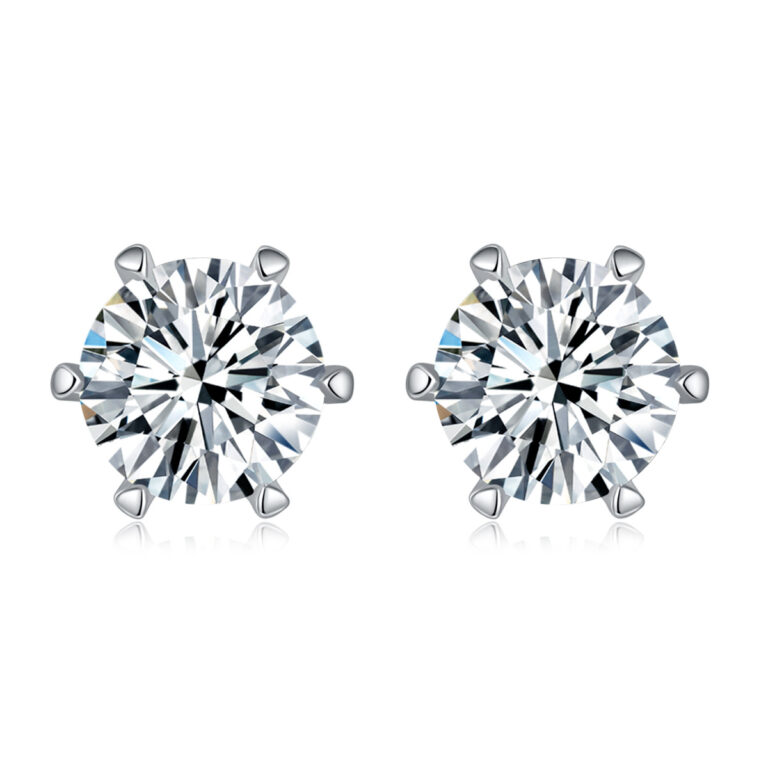

If you’re a merchant, ecommerce seller, shop owner, retailer, or distributor in the jewelry or precious metals space, picking the right type of silver can make a big difference in your inventory and sales. Both 925 silver and 999 silver have their places, but they serve different needs. 925 silver is tough and great for everyday wear items, while 999 silver stands out for its high purity and wide range of uses beyond just accessories. In this guide, we’ll break down the differences, uses, and tips to help you decide what’s best for your business. Let’s dive in and see how these options stack up.
Table of Contents
- What is 925 Silver?
- What is 999 Silver?
- Key Differences Between 925 and 999 Silver
- Common Uses of 925 Silver
- Diverse Uses of 999 Silver
- Which Type of Silver Should You Stock?
- Care Tips for 925 and 999 Silver
- Final Thoughts
What is 925 Silver?
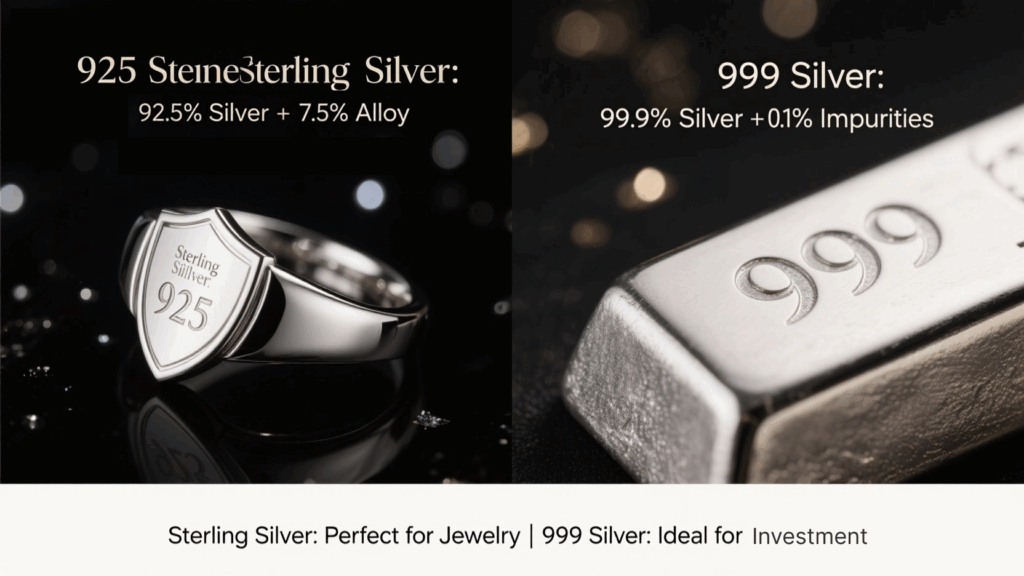
925 silver, often called sterling silver, is an alloy made up of 92.5% pure silver mixed with 7.5% other metals, usually copper. This mix makes it stronger and more resistant to wear compared to pure silver. It’s a popular choice in the market because it balances quality and cost well. For business owners like you, stocking 925 silver means offering products that hold up over time, which can lead to happy customers and fewer returns.
This type of silver has been around for centuries, used in everything from tableware to jewelry. The added metals help prevent scratches and dents, making it ideal for items that get handled a lot. If you’re running an online store or a retail shop, you’ll find that 925 silver appeals to buyers looking for affordable yet durable options. It’s easy to work with for crafting detailed designs, and it keeps its shine with basic care. Plus, it’s less likely to cause skin issues for sensitive customers, which is a big plus in sales.
What is 999 Silver?
999 silver, also known as fine silver, is 99.9% pure silver with just a tiny bit of other elements, about 0.1%. This high purity level makes it stand out as one of the purest forms available. It’s softer than alloys like 925 silver, but that softness allows for unique applications. As a distributor or retailer, understanding 999 silver can open up new product lines beyond traditional jewelry.
The purity of 999 silver gives it a bright, almost white luster that’s hard to beat. It’s often stamped with “.999” to show its quality, helping buyers trust what they’re getting. For ecommerce sellers, this type can attract investors or collectors who value purity over everything else. While it might not be as hardy for daily use, its versatility makes it a smart addition to your stock if you’re aiming for a diverse range.
Key Differences Between 925 and 999 Silver
When comparing 925 silver vs 999 silver, the main difference boils down to purity and strength. 925 silver has that 7.5% alloy mix, which boosts its hardness and makes it less prone to bending or scratching. On the flip side, 999 silver is nearly pure, so it’s softer and more malleable, which can be a pro or con depending on the use.
Price-wise, 999 silver often costs more because of its higher silver content, but 925 silver is easier on the budget for bulk buys. Durability is another key point—925 holds up better in high-wear situations, while 999 silver might show marks faster. For shop owners, think about your customers: if they’re after long-lasting pieces, go with 925; for purity fans, 999 silver fits the bill.
Appearance is similar at first glance, but 999 silver has a purer shine that doesn’t tarnish as quickly in some cases. Both can be polished to look great, but the alloy in 925 adds a subtle warmth. As a retailer, knowing these differences helps you guide buyers and boost sales by matching products to needs.
Common Uses of 925 Silver
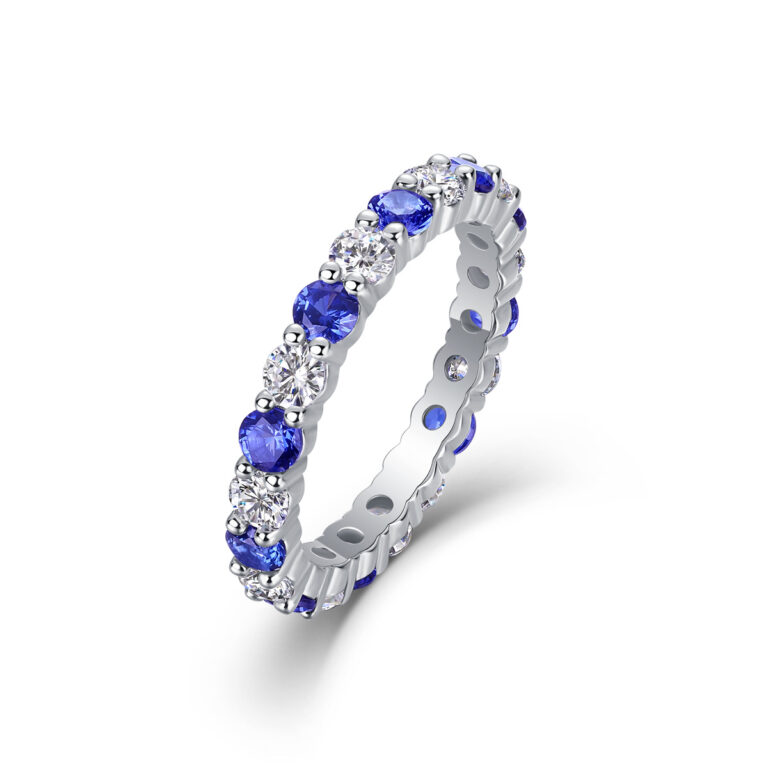
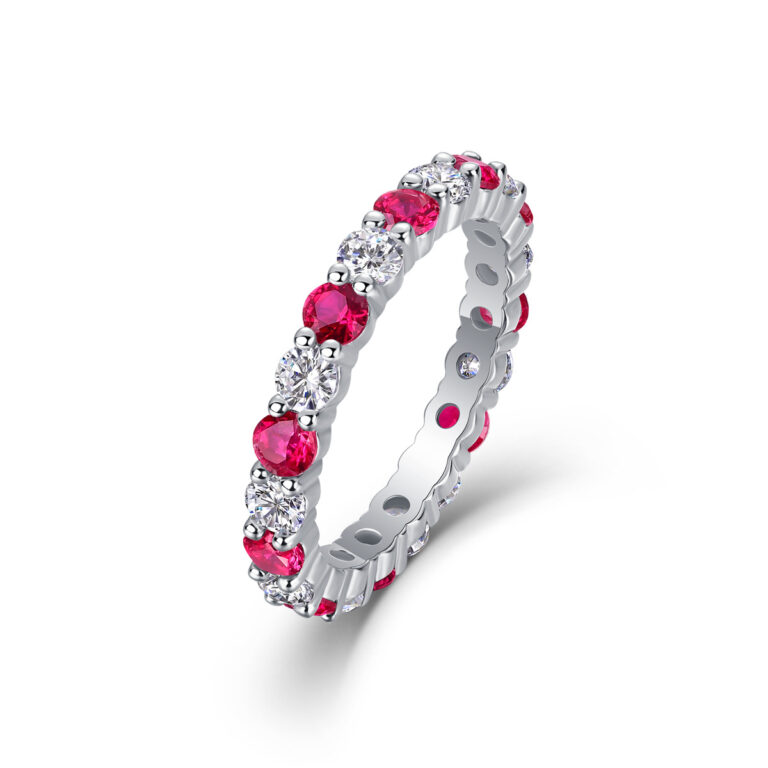
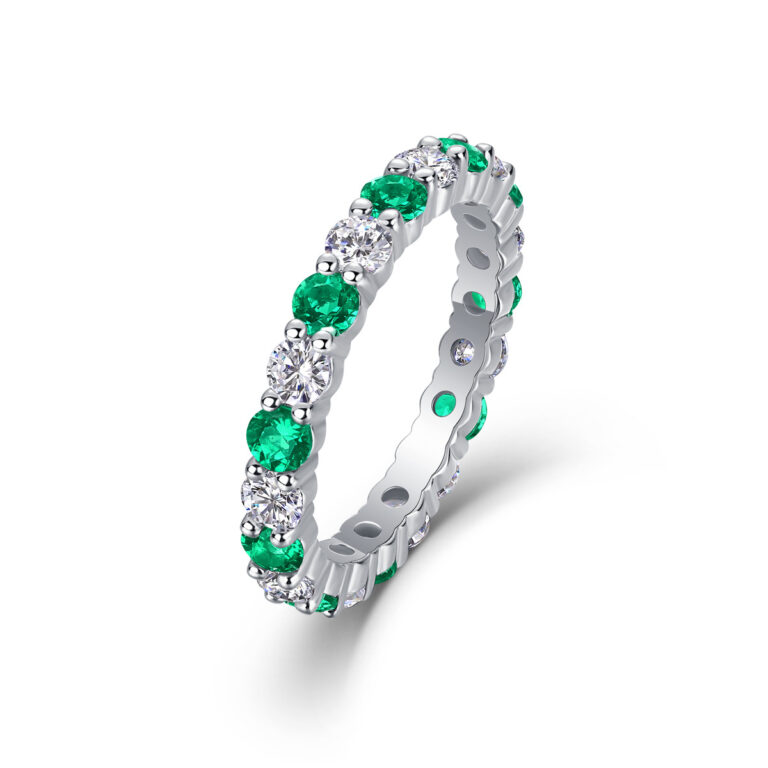
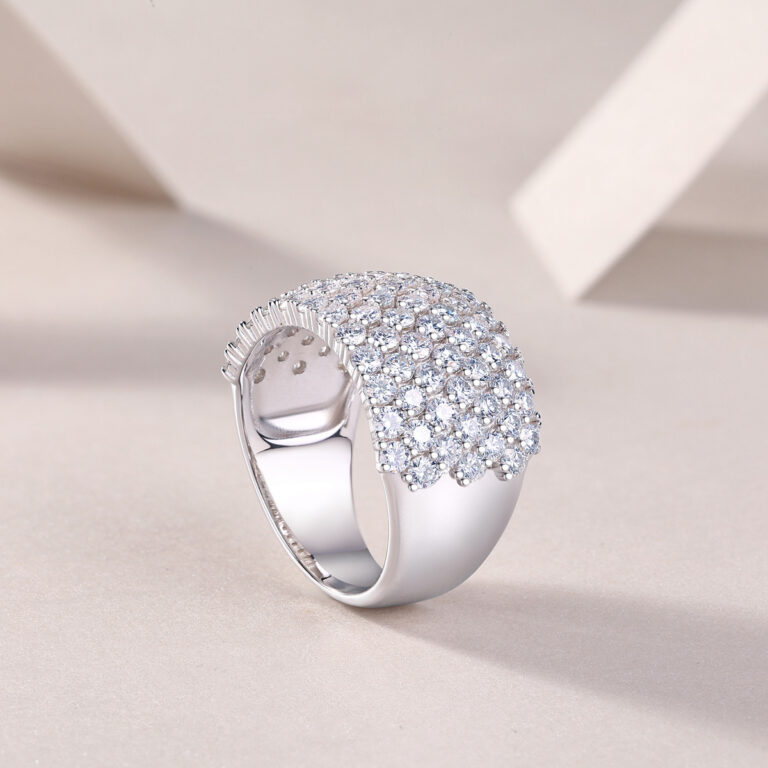
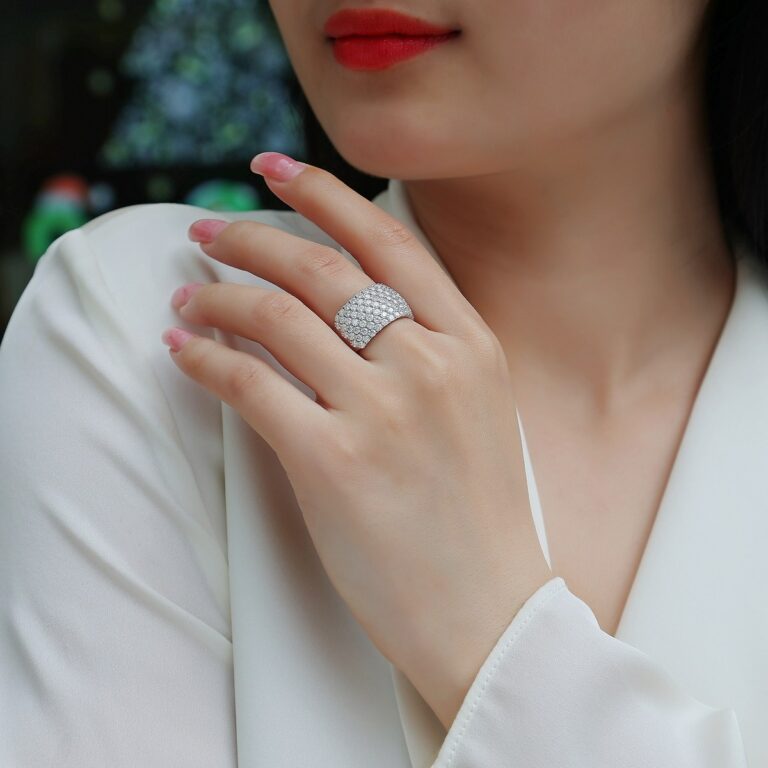
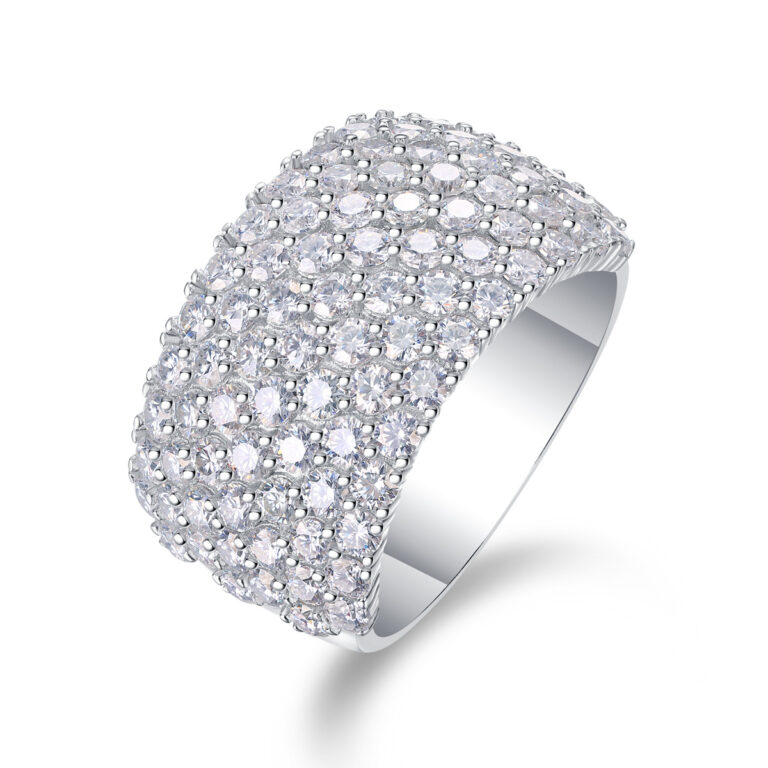
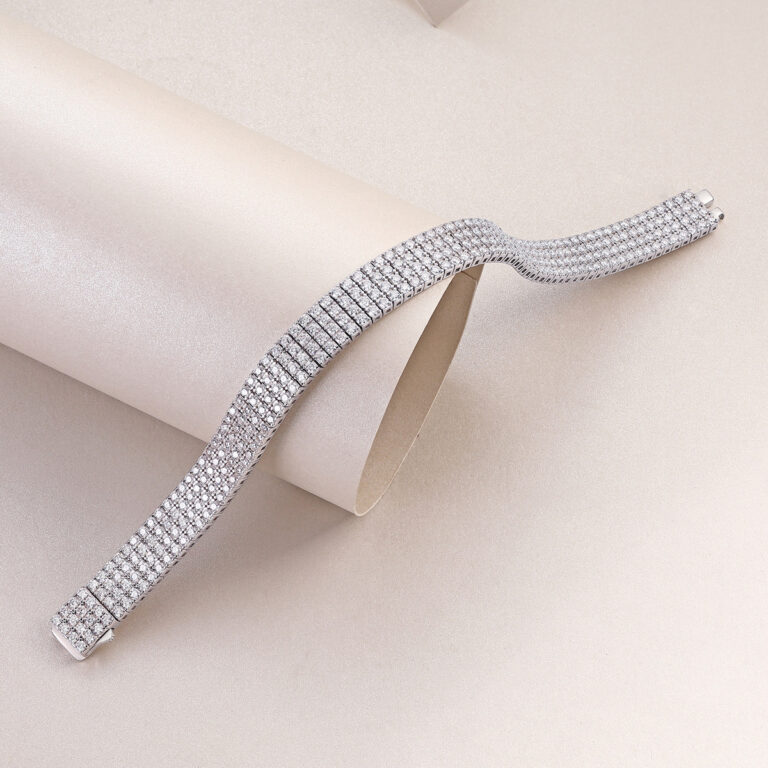
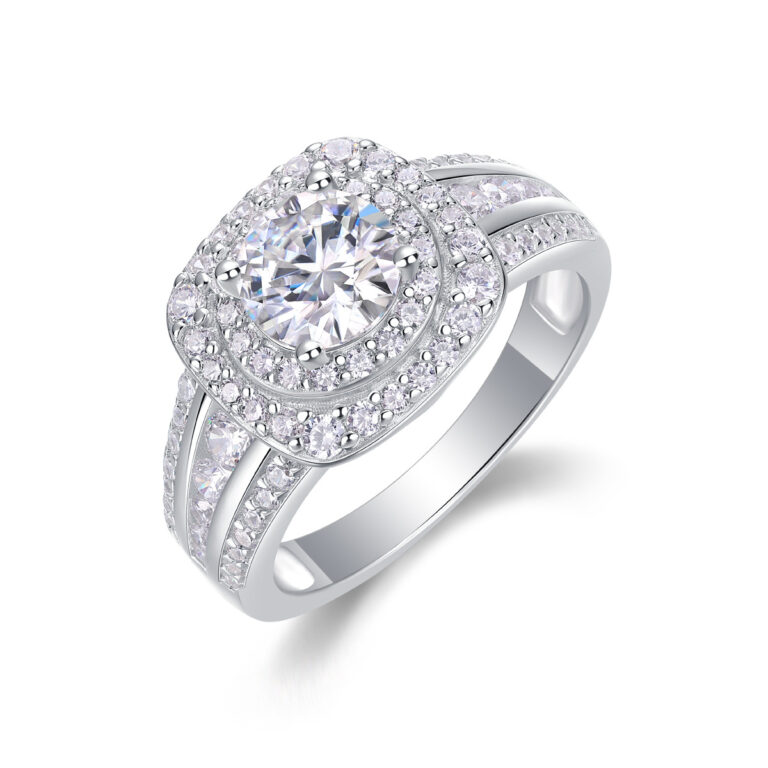
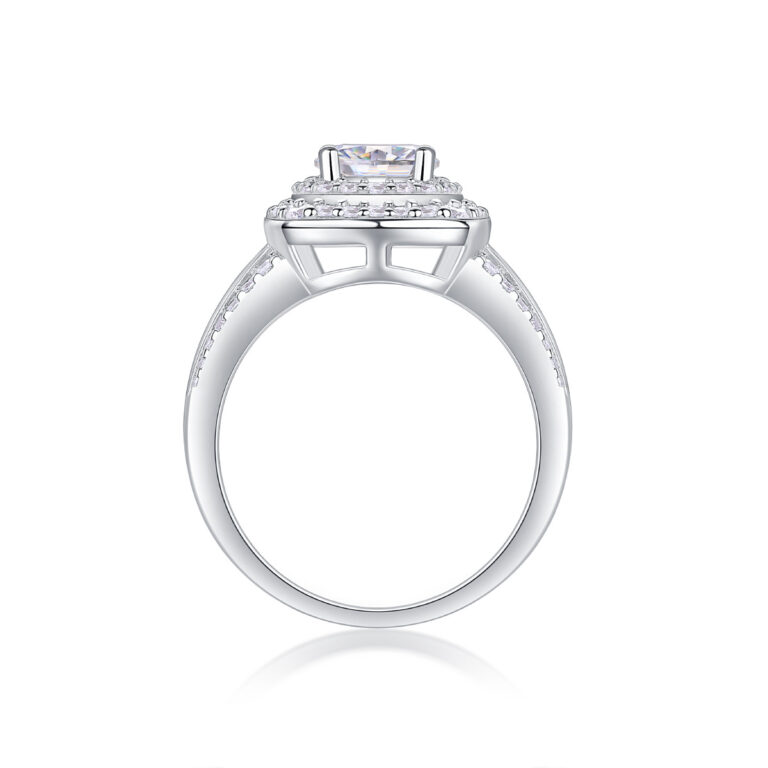
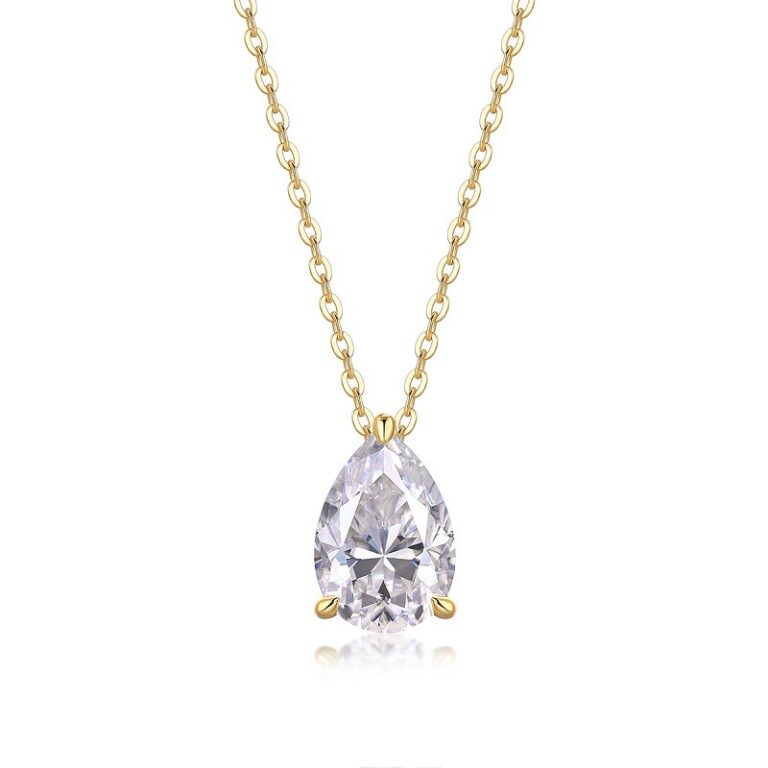
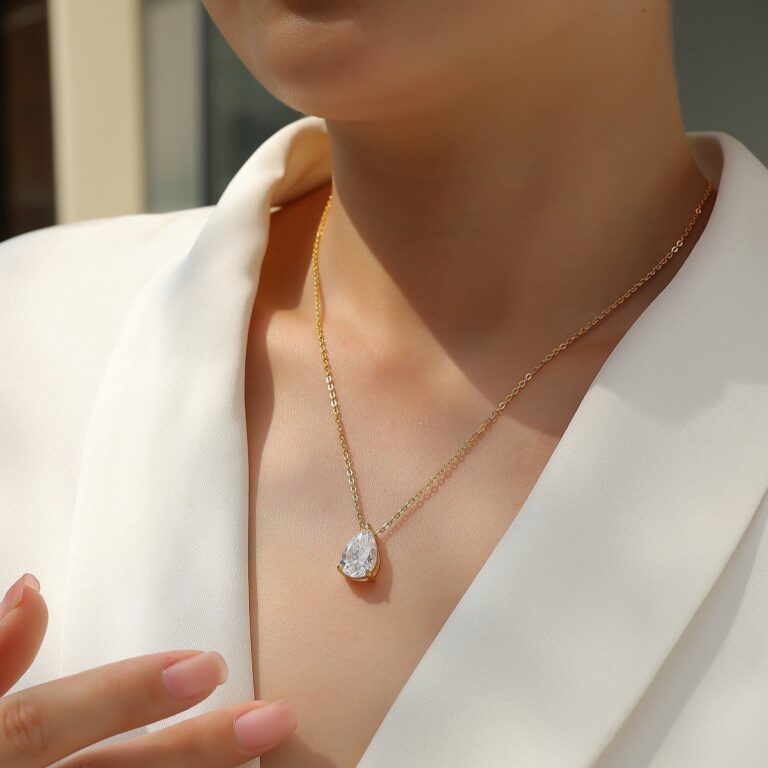
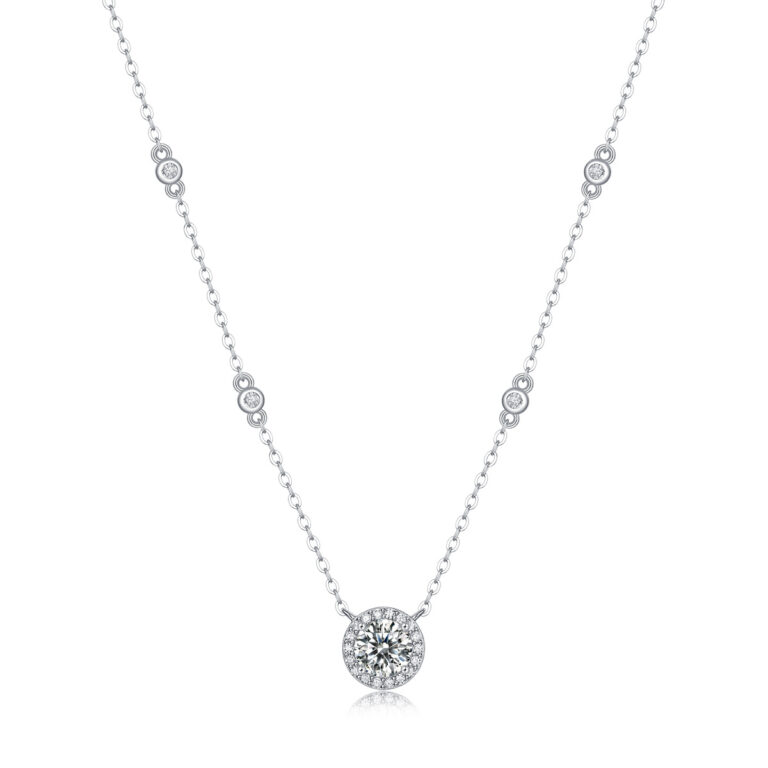
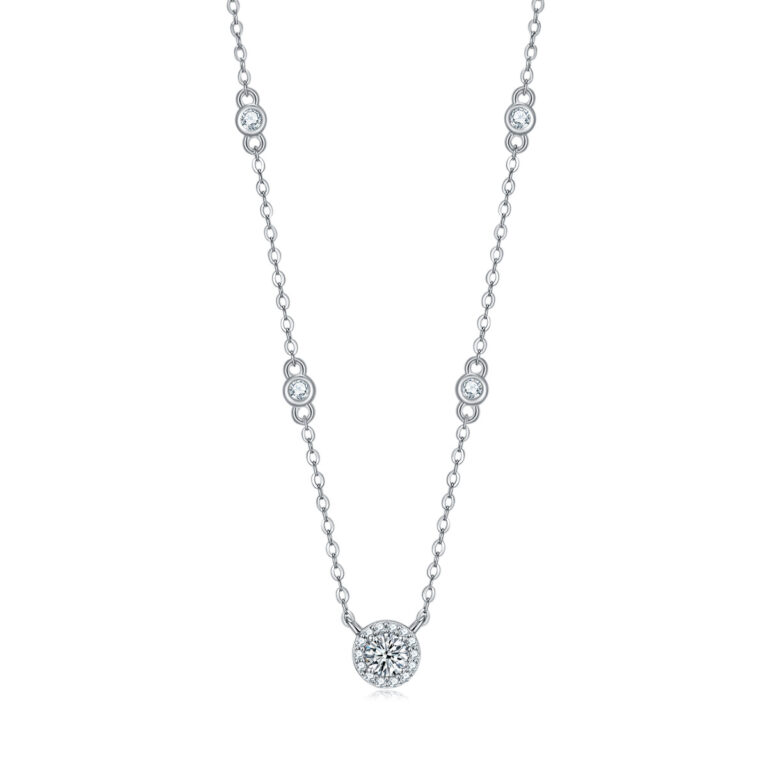
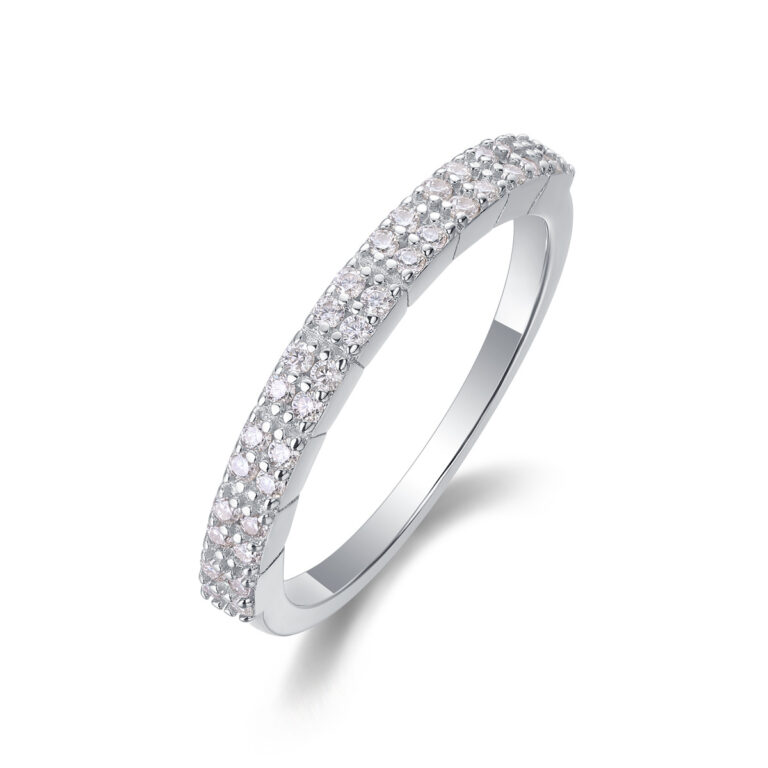
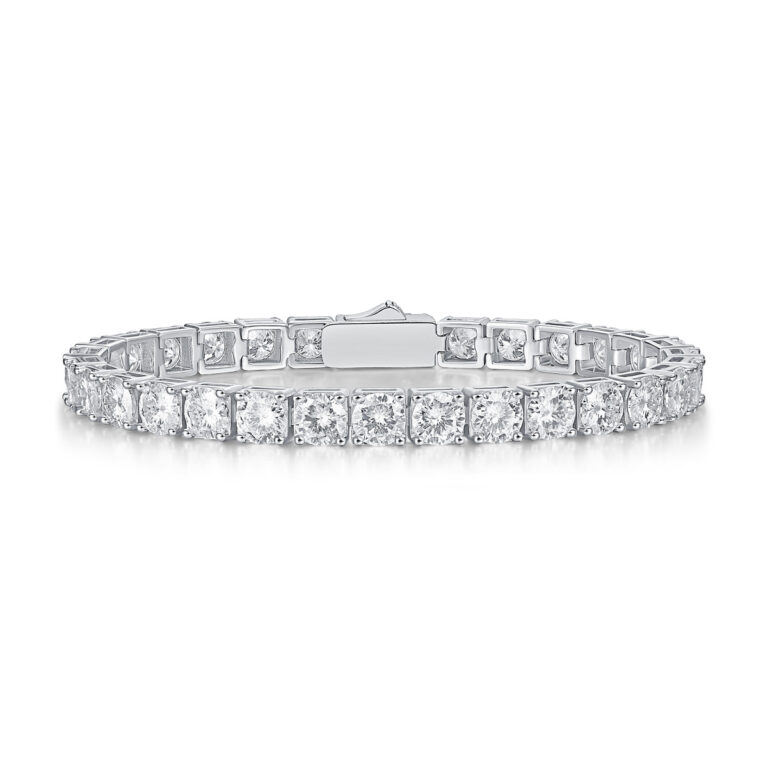
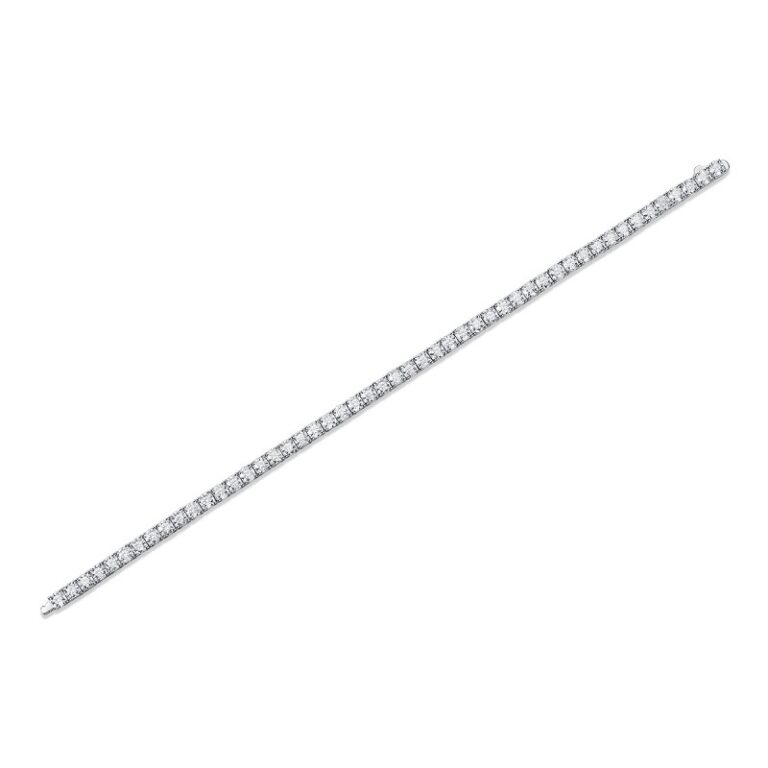
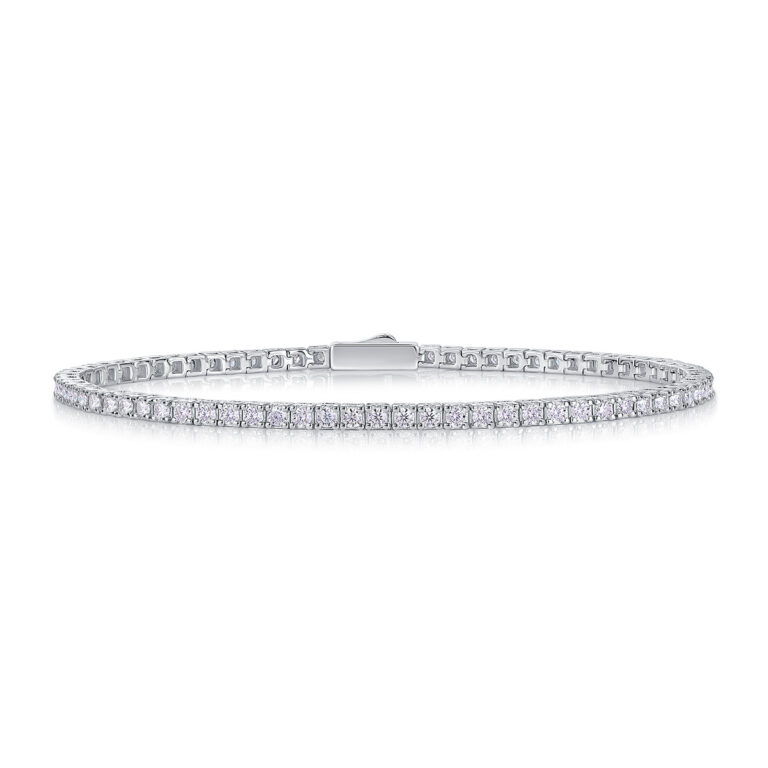
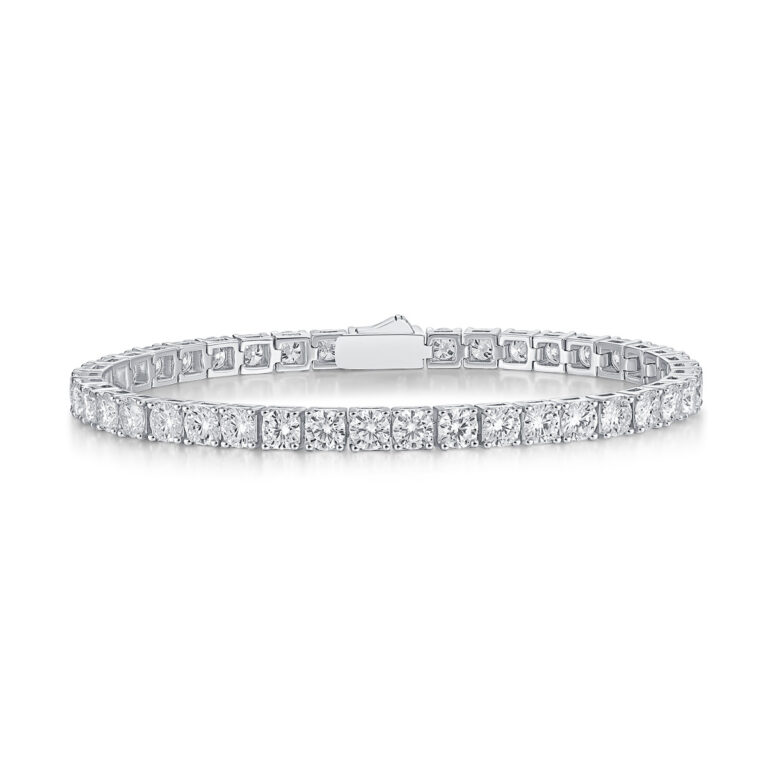
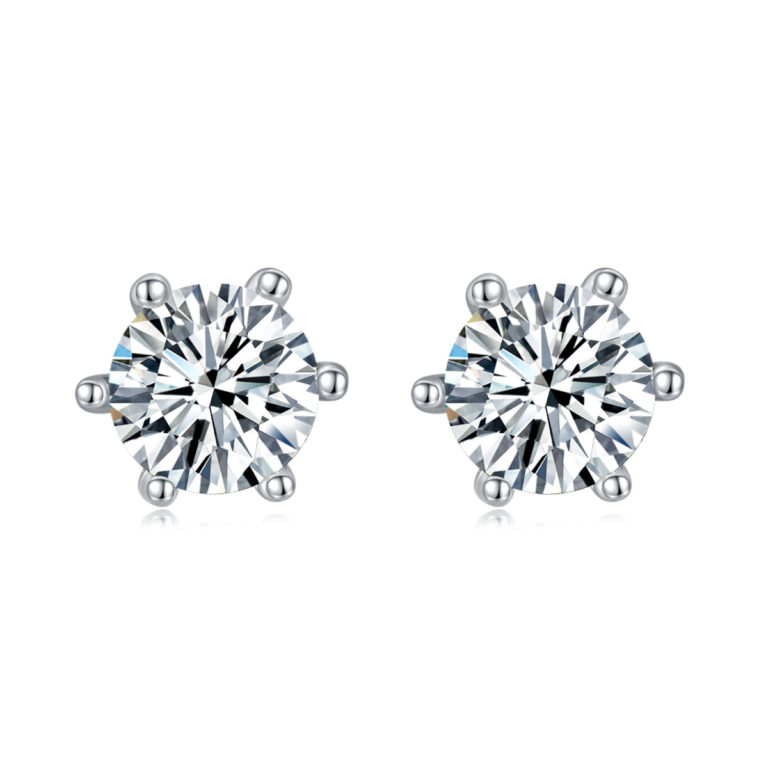
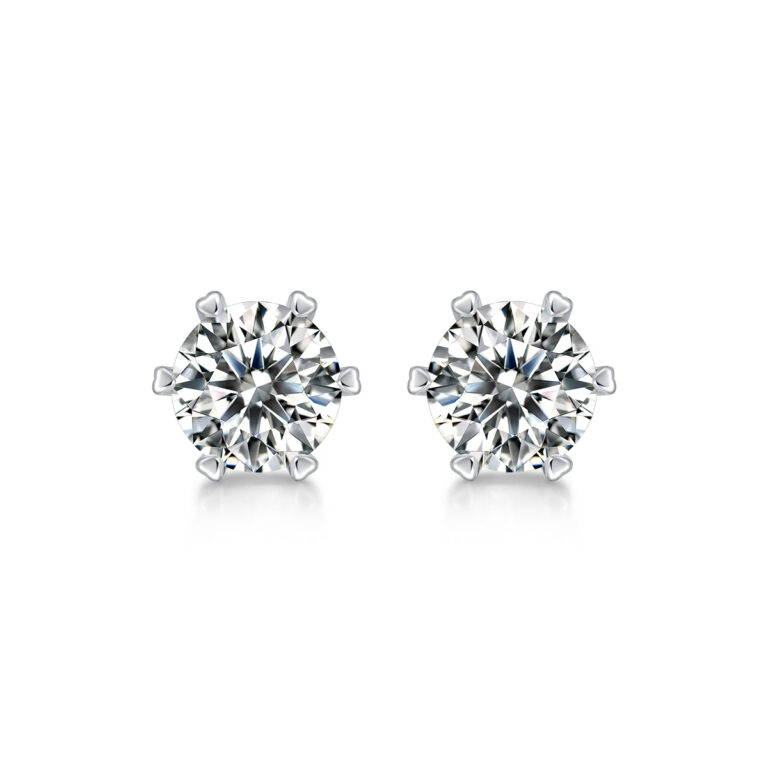
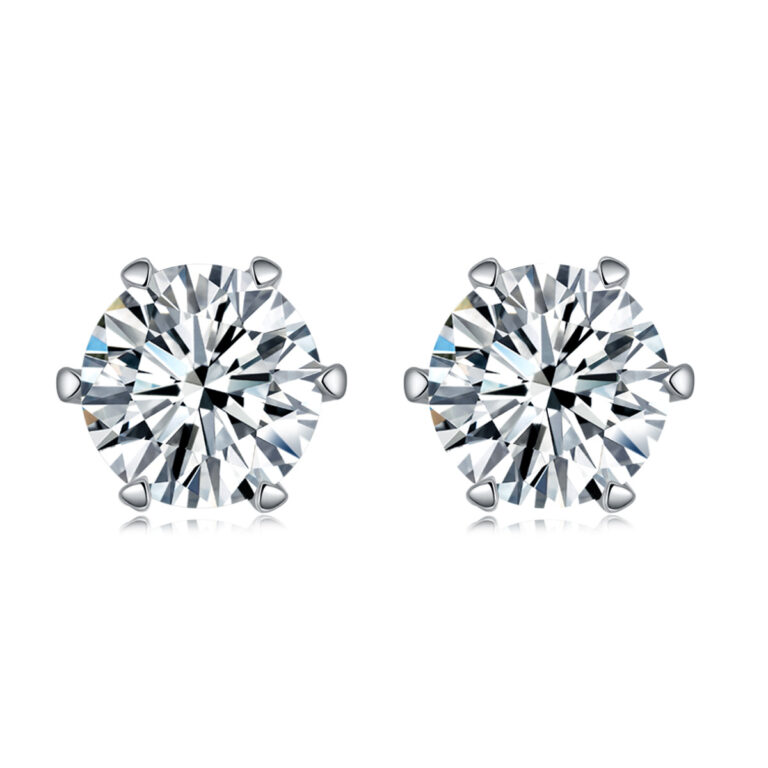
925 silver shines brightest in the world of jewelry and accessories. It’s the go-to material for rings, necklaces, bracelets, and earrings because of its strength and ability to hold intricate designs without breaking down over time. For merchants and ecommerce sellers, this means you can offer a wide variety of stylish items that appeal to everyday shoppers.
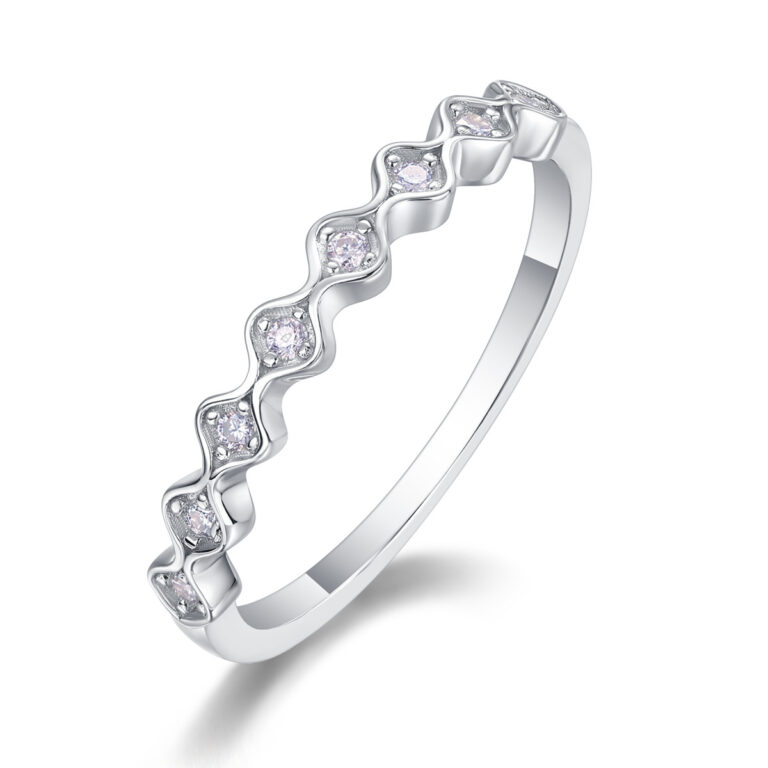
Beyond basic jewelry, 925 silver is used in decorative items like photo frames or small sculptures, but its main strength is in wearable pieces. The added durability makes it perfect for pieces that see daily use, like wedding bands or charm bracelets. Shop owners often stock 925 silver because it’s versatile for plating or combining with gems, creating high-demand products.
It’s also favored for its hypoallergenic properties, reducing complaints from customers with sensitive skin. If you’re a distributor, consider how 925 silver fits into fashion trends—it’s easy to market as timeless and reliable. Overall, focusing on jewelry uses keeps your inventory moving fast.
Diverse Uses of 999 Silver
999 silver has a broader range of applications thanks to its high purity, making it a flexible choice for various industries. One major use is in investment products like bullion bars and coins, where purity ensures value retention. As a retailer or distributor, stocking 999 silver bullion can attract collectors and investors looking to hedge against market changes.
In electronics, 999 silver is prized for its excellent conductivity. It’s used in wiring, switches, and even solar panels to improve efficiency. For ecommerce sellers in tech-related niches, this opens doors to supplying components or related items. Photography once relied on 999 silver for film development, though digital shifts have changed that—still, it’s used in some specialty prints.
Medical fields benefit from 999 silver’s natural antibacterial qualities, appearing in wound dressings or surgical tools. Dentists use it in fillings for its biocompatibility. In the arts, sculptors and silversmiths prefer 999 silver for detailed work because it’s easy to shape. Yeah, it’s softer, but that makes it ideal for custom pieces.
Even in mirrors and reflective surfaces, 999 silver provides superior clarity. For business owners, diversifying with 999 silver means tapping into markets beyond jewelry, like industrial supplies or collectibles. This variety can help expand your customer base and increase profits.
Which Type of Silver Should You Stock?
Deciding between 925 silver and 999 silver depends on your target market and business goals. If your focus is on jewelry for everyday consumers, 925 silver is a safe bet—it’s durable, affordable, and sells well. Ecommerce sellers can highlight its strength in product descriptions to appeal to practical buyers.
For those dealing in high-end or investment items, 999 silver offers purity that commands higher prices. Distributors might stock both to cover different needs: 925 for volume sales and 999 for premium lines. Consider your storage and handling too—999 silver’s softness means extra care to avoid damage.
Think about trends: with rising interest in pure metals, 999 silver could boost your edge in competitive markets. Retailers, ask yourself what your customers value most—durability or purity? Mixing both in your inventory provides options and keeps things fresh.
Care Tips for 925 and 999 Silver
Proper care keeps both 925 and 999 silver looking sharp and extends product life, which is key for reducing returns in your business. For 925 silver, regular polishing with a soft cloth removes tarnish from the alloy mix. Store it in anti-tarnish bags to prevent exposure to air and moisture.
999 silver, being purer, tarnishes slower but scratches easier—so handle with care. Use mild soap and water for cleaning, avoiding harsh chemicals that could dull the shine. For both, advise customers to remove pieces before swimming or using lotions to maintain quality.
As a shop owner, sharing these tips in your listings builds trust and encourages repeat buys. Simple maintenance routines can make a big difference in customer satisfaction.
Final Thoughts
In the debate of 925 vs 999 silver, there’s no clear winner—it all comes down to what fits your business best. 925 silver excels in jewelry for its toughness, while 999 silver opens up exciting uses in investments, tech, and more. By understanding these, you can stock smarter and meet diverse customer demands. Keep an eye on market trends, and you’ll stay ahead in the game.