






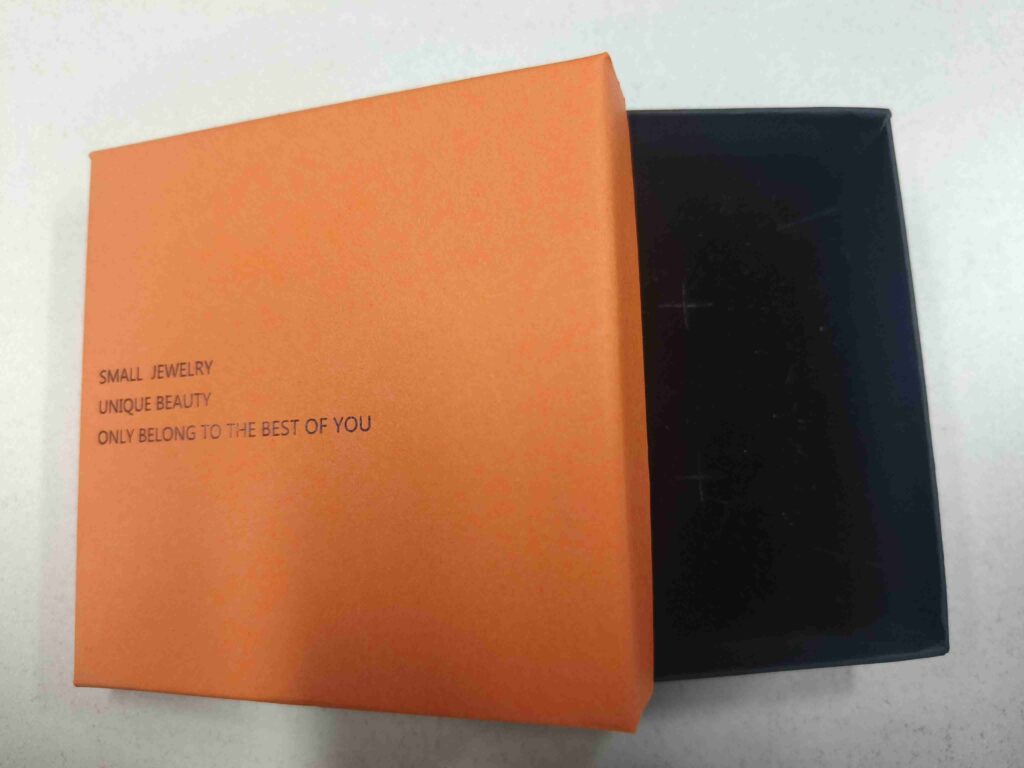
Jewelry Box Wholesale

jewelry box

As a jewelry retailer or ecommerce seller, you’re always focused on what sells: stunning designs, quality materials, and trendy styles. But have you thought about the box it all comes in? Jewelry box wholesale options can make a big difference in how customers see your brand. A great package doesn’t just protect the piece; it adds that wow factor, turning a simple buy into a memorable experience. Whether you’re a shop owner stocking up or a distributor looking for bulk deals, choosing the right wholesale jewelry boxes can boost your sales and customer loyalty. Let’s dive into why this matters and how to pick the best ones for your business.

Table of Contents

Why Jewelry Packaging Matters for Your Business

In the competitive world of jewelry sales, every detail counts. Merchants and shop owners often pour energy into sourcing beautiful rings, necklaces, and earrings. Yet, the packaging – like a jewelry box wholesale supplier provides – plays a key role in the customer’s journey. Think about it: when a buyer opens that box, it’s their first real interaction with your product beyond the screen or shelf.

A well-chosen jewelry box does more than hold the item. It protects against scratches, tarnish, or damage during shipping for ecommerce sellers. For retailers in physical stores, it creates an unboxing moment that feels special, encouraging repeat visits. Distributors know that consistent packaging helps build brand trust across multiple outlets. Plus, in today’s social media age, a pretty box might just end up in a customer’s Instagram story, giving you free marketing.

But why go wholesale? Buying in bulk from a jewelry box wholesale source cuts costs and ensures you have stock ready. This way, you’re not scrambling for boxes during peak seasons like holidays or weddings. It also lets you customize to fit your brand’s vibe, whether sleek and modern or elegant and classic. Ignoring this aspect could mean lost sales – after all, who wants to gift a diamond in a plain bag? Focus on quality packaging, and watch your business shine brighter.

Types of Materials for Jewelry Boxes

When exploring jewelry box wholesale options, the material is where you start. Different choices offer unique benefits, fitting various budgets and styles for merchants and retailers alike.

Cardboard is a popular pick for its affordability and versatility. It’s lightweight, easy to customize with prints or logos, and eco-friendly if recycled. Ecommerce sellers love it for shipping because it keeps costs down without sacrificing protection. However, for high-end pieces, it might feel too basic.

Wood brings a touch of luxury to wholesale jewelry boxes. Think sturdy oak or sleek walnut – these add a premium feel that impresses customers. Shop owners often use wooden boxes for display, as they stand out on shelves. They’re durable, but heavier, so consider that for shipping if you’re an online distributor.

Velvet or suede-lined boxes are all about that soft touch. These materials prevent scratches on delicate gems and metals, making them ideal for fine jewelry. Retailers can find jewelry box wholesale deals in various colors, like deep red or black, to match seasonal themes. They’re not the cheapest, but the perceived value they add can justify the price.

Plastic or acrylic options are clear winners for visibility. Transparent lids let customers peek inside without opening, perfect for point-of-sale displays. They’re tough against impacts, great for busy stores. But if sustainability is your angle, look for recycled plastic to appeal to eco-conscious buyers.

Leather or faux leather gives a sophisticated edge. It’s water-resistant and ages well, appealing to distributors who want long-lasting packaging. Custom stamping is easy here, helping brand your wholesale jewelry boxes uniquely. Mix and match these materials based on your inventory – the right choice elevates your entire lineup.

Design Options for Jewelry Boxes

Design isn’t just about looks; it’s about function too in the jewelry box wholesale market. For ecommerce sellers, a compact, stackable design saves storage space. Retailers might prefer ornate styles that double as display cases.

Simple rectangular boxes are timeless. They fit most jewelry types and allow for easy branding. Add a ribbon tie or magnetic closure for that extra pop – customers love the satisfying click.

Multi-compartment designs shine for sets, like earrings and necklaces together. Distributors can stock these in bulk to cater to gift buyers. Inserts like foam or slots keep items secure, reducing returns from damage.

Custom shapes add flair. Heart-shaped for Valentine’s or ring-specific holders for proposals – these make your wholesale jewelry boxes memorable. Shop owners, imagine how a unique design could spark conversations at checkout.

Color and finish matter big time. Matte black for modern vibes, glossy white for elegance. Patterns like floral or geometric can tie into your store’s theme. Don’t forget sustainability: opt for designs using minimal materials to cut waste.

In wholesale, flexibility is key. Look for suppliers offering mix-and-match options so you can test what works. A smart design not only protects but tells your brand story, helping you stand out in a crowded market.

Matching Jewelry Boxes to Different Types of Jewelry

Not all jewelry is the same, so why should the boxes be? When sourcing jewelry box wholesale, match them to your products for the best fit.

For rings, compact boxes with slots are essential. They prevent rolling around and highlight the stone. Ecommerce sellers, choose padded interiors to avoid scratches during transit.

Necklaces need longer, slimmer designs to avoid tangles. Hooks or ties inside keep chains neat. Retailers dealing in delicate gold chains will appreciate velvet linings that add luxury.

Earrings suit small, divided compartments. Studs go in foam inserts, while hoops might need taller boxes. Distributors, stock versatile options for mixed inventories.

Bracelets and watches call for wider, cushioned spaces. Adjustable inserts work well for varying sizes. Shop owners, think about clear lids to show off the piece without opening.

For bulkier items like brooches or sets, larger multi-tier boxes are ideal. They organize everything neatly, perfect for gift packaging.

Consider the jewelry’s value too. High-end diamonds deserve premium materials; everyday fashion pieces can use cost-effective cardboard. By matching wisely, you enhance the unboxing experience, boosting customer satisfaction and loyalty in your business.

Key Considerations When Wholesaling Jewelry Boxes

Diving into jewelry box wholesale? Here are some must-know tips to avoid pitfalls, especially for merchants and ecommerce sellers.

First, check quality. Test samples for durability – will they hold up in shipping? Look for smooth finishes and secure closures. Poor quality could damage your reputation.

Quantity matters. Start small if testing, but bulk buys save money. Calculate based on sales forecasts to avoid overstocking.

Customization options are huge. Add your logo or colors to build brand identity. But ensure the supplier can handle your volume without delays.

Sustainability is trending. Eco-friendly materials like recycled paper appeal to green-minded customers. Retailers, highlight this in marketing.

Shipping and storage: Lightweight boxes cut costs. Stackable designs save space in warehouses.

Budget wisely. Compare prices, but don’t skimp on features that protect jewelry. Hidden fees like setup for custom prints can add up.

Supplier reliability: Read reviews, ask for references. Timely delivery is crucial during busy seasons.

Finally, think about regulations. Ensure materials are safe, non-toxic. For international distributors, check import rules.

By focusing on these, your wholesale jewelry boxes will perfectly complement your products, driving better sales.

Benefits of Wholesale Purchasing for Retailers

Going wholesale for jewelry boxes isn’t just about saving cash – it’s a smart business move. Retailers and shop owners get consistent supply, ensuring you’re never out of stock.

Cost savings are obvious: buy more, pay less per unit. This frees up budget for marketing or new inventory.

Variety at your fingertips. Wholesale suppliers offer endless options, letting you mix styles without minimums on each.

Build stronger supplier ties. Regular orders might score discounts or priority service.

For distributors, wholesale means scalability. Expand your reach without quality dips.

In short, jewelry box wholesale empowers your business to deliver top-notch packaging that wows customers every time. Ready to elevate your game? Check out options that fit your needs today.
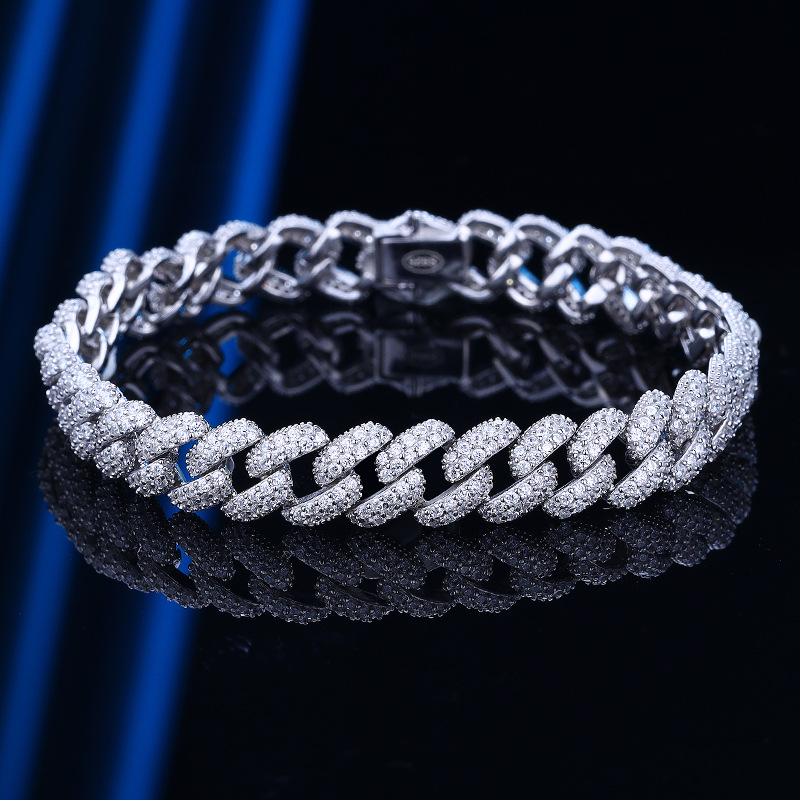
Stylish 925 Chain Silver for Men – Classic Sterling Silver Chain Design

In today’s jewelry market, a high-quality 925 chain silver for men has become one of the best-selling items for merchants, e-commerce sellers, shop owners, and distributors. Made from genuine sterling silver (92.5% pure silver), these chains offer the perfect mix of style, durability, and affordable pricing. Whether your customers love minimalist looks or bold statement pieces, a well-designed 925 chain silver can boost your sales and keep customers coming back. Let’s explore the hottest designs, how to style them, and why stocking them is a smart business move.

1741570994 gQtHdL

Table of Contents

  1. What Makes 925 Chain Silver So Popular with Men?
  2. Top 5 Classic and Trendy 925 Chain Silver Designs for Men
  3. How to Style a 925 Chain Silver – Everyday to Evening Looks
  4. Best Outfit Matches: From Casual Tees to Formal Suits
  5. Layering Tips That Sell More Chains
  6. Why Retailers and Distributors Love Stocking 925 Chain Silver
  7. Care Tips to Keep Your 925 Chain Silver Looking Brand New
  8. Final Thoughts – Add This Best-Seller to Your Store Today

Real sterling silver marked “925” is the gold standard in men’s jewelry. It shines bright, resists everyday wear, and won’t turn skin green like cheap metals. Guys love it because it looks expensive without the crazy price tag of gold or platinum. For merchants, the profit margin is excellent, and the universal appeal means almost every male customer aged 18–55 is a potential buyer. One simple 925 chain silver can be worn alone or layered – that versatility drives repeat purchases.

2. Top 5 Classic and Trendy 925 Chain Silver Designs for Men

Here are the designs flying off the shelves right now:

  • Figaro Chain – The timeless Italian classic with alternating small and large links. Looks great in 3mm–8mm width.
  • Cuban Link Chain – Bold, flat, and heavy-looking. Perfect for streetwear fans. 5mm–12mm are the hottest sellers.
  • Rope Chain – Twisted links that catch light beautifully. Super strong and never goes out of style.
  • Box Chain – Clean, square links that feel modern and minimal. Ideal for thinner 2mm–4mm everyday wear.
  • Franco Chain – Dense “V” pattern that looks premium from every angle. A favorite for slightly thicker statement pieces.

Stock a mix of 16″, 18″, 20″, 22″, and 24″ lengths – these cover 95% of customer needs.

3. How to Style a 925 Chain Silver – Everyday to Evening Looks

Teach your customers (and use these tips in product photos):
Morning casual: A thin 2–3mm box or rope 925 chain silver with a plain white T-shirt and jeans = effortless cool.
Office-ready: Pair a 4–6mm Figaro chain with an open-collar shirt. Let just a little silver peek out.
Night out: Go bold with an 8–10mm Cuban link over a black crew-neck or unbuttoned shirt. Instant swagger.

4. Best Outfit Matches: From Casual Tees to Formal Suits

  • White or black T-shirt → Any 925 chain silver works. Thicker chains pop more on dark colors.
  • Hoodies & streetwear → Cuban or Franco chains add edge.
  • Button-down shirts → Figaro or rope chains look classy when the top 2 buttons are open.
  • Suits (no tie) → Keep it subtle with a 3–5mm box chain. It adds personality without stealing the show.
  • Summer linen shirts → Light rope or paperclip-style chains feel relaxed and expensive.

5. Layering Tips That Sell More Chains

Layering is the #1 trend driving multiple sales per customer. Suggest these combos in your product descriptions and photos:

  • 18″ thin rope + 20″ medium Figaro + 22″ thick Cuban = perfect 3-layer look.
  • Two-tone trick: Mix polished silver with slightly oxidized pieces for depth.
  • Add a small pendant on the shortest chain to upsell even more.

When customers see layered photos, average order value jumps 30–50%.

6. Why Retailers and Distributors Love Stocking 925 Chain Silver

  • High perceived value, low production cost → excellent margins.
  • Hypoallergenic and tarnish-resistant (especially rhodium-finished ones).
  • One-size-fits-most lengths reduce returns.
  • Evergreen product – sells 365 days a year, not seasonal.
  • Easy to photograph and looks stunning on any skin tone.

7. Care Tips to Keep Your 925 Chain Silver Looking Brand New

Happy customers = repeat customers. Share these simple tips on your product page:

  • Store in a ziplock bag with an anti-tarnish strip.
  • Clean with a soft silver polishing cloth (never toothpaste).
  • Remove before swimming or heavy sweating.
  • Last thing off, first thing on – avoids perfume and hairspray damage.

8. Final Thoughts – Add This Best-Seller to Your Store Today

A stylish 925 chain silver for men is one of the easiest, most profitable items you can carry. From the classic Figaro to the chunky Cuban, these chains match every style and occasion. Stock different widths and lengths, show real styling photos, and watch them become your top-performing category.

Ready to boost your sales? Check out the full collection at https://lekanijewelry.com/ and add these timeless sterling silver chains to your inventory now.

Wholesale Moissanite Jewelry

Moissanite has quickly become a top choice for buyers looking to stock high-quality, affordable gems. When you source wholesale moissanite pieces, you get lab-created stones that sparkle like diamonds but cost much less. This guide focuses on the hottest product categories—engagement rings, necklaces, earrings, and bracelets. We’ll cover popular designs, how to style them, and the trends shaping 2025 collections. Perfect for merchants, ecommerce sellers, shop owners, retailers, and distributors ready to boost sales with smart inventory.

Table of Contents

  1. Why Choose Wholesale Moissanite?
  2. Engagement Rings: Timeless and Trendy
  3. Necklaces: Everyday Elegance
  4. Earrings: From Studs to Statement
  5. Bracelets: Stackable Shine
  6. Top Design Trends for 2025
  7. How to Source and Sell Wholesale Moissanite

Why Choose Wholesale Moissanite?

Let’s keep it simple: wholesale moissanite gives you diamond-level fire and brilliance at a fraction of the price. These stones score 9.25 on the Mohs scale, so they resist scratches and daily wear. Buyers love the ethical angle—no mining, just lab-grown perfection. For retailers, the margins are sweet. Stock up on certified pieces with clear grading reports, and your customers will keep coming back. It’s not just jewelry; it’s smart business.

Engagement Rings: Timeless and Trendy

Engagement rings lead the pack in wholesale moissanite sales. Classic solitaire settings remain a bestseller—think a single round stone on a slim band. But modern couples want options. Halo designs add extra sparkle around the center stone, perfect for proposals that wow. Three-stone styles symbolize past, present, and future, and they fly off shelves during wedding season.

For everyday appeal, offer petite sizes from 0.5 to 1 carat. Pair them with yellow gold for warmth or white gold for cool elegance. Retailers, display these in lighted cases; the fire pops under bright lights. Add a quick note on durability—customers ask, “Will it last?” Yes, it will. Stock a mix of sizes and metals to cover every budget and taste.

Necklaces: Everyday Elegance

Wholesale moissanite necklaces turn simple outfits into head-turners. Pendant styles with a single stone on a delicate chain work for office days or date nights. Length matters: 16-inch chokers sit close, while 18-inch princess lengths hit the collarbone just right.

Layering is huge right now. Offer sets with 14-inch, 16-inch, and 18-inch chains so customers can mix lengths. Tennis necklaces loaded with small moissanite stones scream luxury without the diamond price tag. Suggest pairing a tiny pendant with a bold tennis style for brunch vibes. Ecommerce sellers, use lifestyle photos—show the necklace with a white tee or little black dress. It sells itself.

Earrings: From Studs to Statement

Earrings are impulse buys, so keep wholesale moissanite options varied. Basic studs in round or princess cuts never go out of style. They suit busy professionals who want low-maintenance shine. Hoop earrings with moissanite pavé add edge—great for evening looks or weekend markets.

Drop earrings with geometric shapes catch eyes fast. Picture a teardrop stone swinging as she walks. For retailers, bundle studs with hoops at a slight discount; customers love a deal. Push the comfort factor—lightweight settings mean all-day wear without sore lobes. Stock hypoallergenic posts to avoid returns. Simple, right?

Bracelets: Stackable Shine

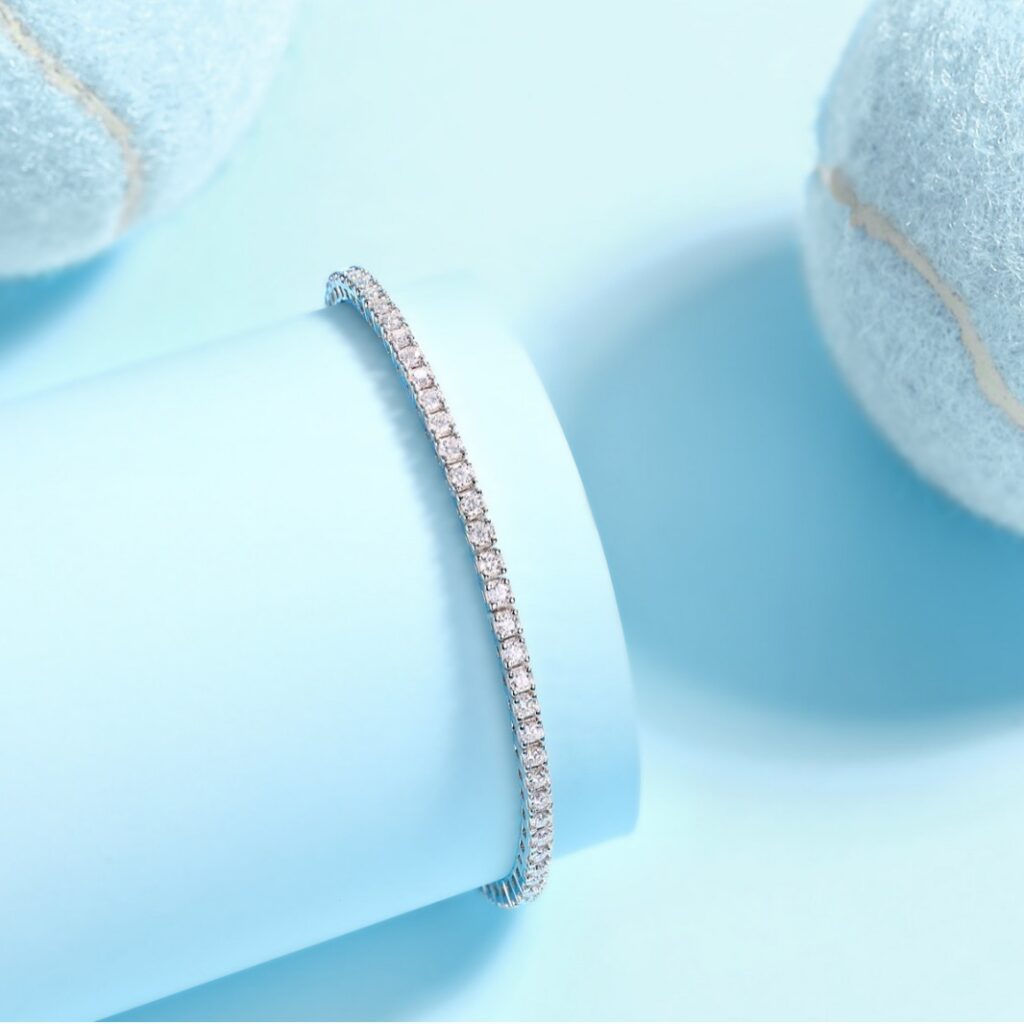
Bracelets bring repeat sales when you nail the stackable trend. Thin wholesale moissanite tennis bracelets layer beautifully with bangles or watches. Offer them in 6.5-inch and 7.5-inch sizes to fit most wrists. A single row of 2mm stones keeps costs low and sparkle high.

Cuff styles with open designs feel fresh and modern. Mix metal finishes—rose gold with white gold—for instant variety. Distributors, package sets of three bracelets in gradient stone sizes. Shop owners, create window displays with stacked arms; passersby stop every time. Teach staff to say, “Mix metals, mix moods.” Customers eat it up.

Stay ahead with these wholesale moissanite trends:

  • Minimalist Magic: Clean lines, tiny stones, barely-there settings. Think a whisper of luxury.
  • Geometric Edge: Hexagons, triangles, and asymmetrical cuts. Bold yet wearable.
  • Layered Looks: Multiple chains, stacked rings, mixed bracelets. Customers build their own sets.
  • Mixed Metals: Rose, yellow, and white gold in one piece. Versatility sells.

Incorporate nature-inspired motifs—leaf shapes or floral clusters—for bridal lines. Vintage-inspired milgrain edges add romance without extra cost. Order samples first; test what flies in your market. Trends move fast, but moissanite keeps the profit steady.

How to Source and Sell Wholesale Moissanite

Check minimum order quantities—many start at 10 pieces. Ask for high-res photos and 360-degree videos; your online listings need them. Price competitively: mark up 3-4x cost for healthy margins.

On your site, use clear titles like “1 Carat Moissanite Solitaire Engagement Ring in 14K White Gold.” Add bullet points on clarity, cut, and carat weight. For in-store, train staff to demo sparkle under different lights. Run flash sales on layered necklace sets; they move fast. Track bestsellers monthly and reorder before stockouts hit.

Ready to grow your inventory? Explore curated wholesale moissanite collections at lekanijewelry.com. Fresh drops, reliable shipping, and designs that sell themselves.

Top Jewelry Manufacturers: How to Choose the Right Supplier for Your Brand

Top Jewelry Manufacturers

Finding reliable jewelry manufacturers can make or break your business. Whether you run an online store or a physical shop, the right supplier ensures your products shine and customers keep coming back. This guide breaks down key factors like craftsmanship, global locations, and selection tips to help merchants, ecommerce sellers, shop owners, retailers, and distributors pick the best partner. Let’s dive in and build a strong supply chain for your brand.

Table of Contents

  1. Understanding Jewelry Manufacturing Processes
  2. Raw Material Handling in Jewelry Production
  3. Global Distribution of Jewelry Manufacturers
  4. Key Factors to Evaluate When Choosing Suppliers
  5. Final Tips for Building Long-Term Partnerships

Understanding Jewelry Manufacturing Processes

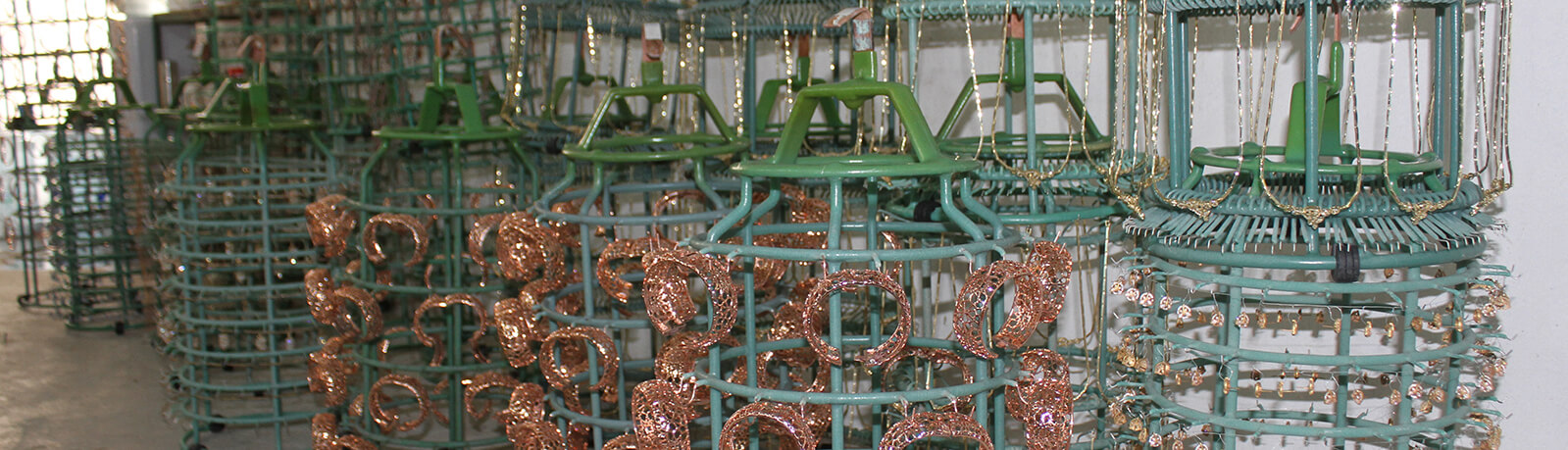
Jewelry manufacturing starts with design and ends with a polished piece ready for sale. Most jewelry manufacturers use a mix of traditional and modern methods to create high-quality items. For example, casting is common—it involves melting metal and pouring it into molds to form shapes like rings or pendants. This process works well for bulk orders and keeps costs down.
Handcrafting adds a personal touch. Skilled workers shape metal by hand, set stones, and add details. It’s perfect for custom pieces or limited runs. Many factories now use CAD software for precise designs, then 3D printing for prototypes. This speeds up production and reduces errors.
Polishing and plating come last. Workers buff pieces to a shine and apply coatings like rhodium for durability. Quality jewelry manufacturers test every step to avoid flaws. If you’re sourcing moissanite jewelry, look for experts in stone setting—these gems need careful placement to sparkle without falling out.
These processes ensure your inventory meets customer expectations. A good supplier explains their methods upfront, so you know what you’re getting. This builds trust and helps your brand stand out in a crowded market.

Raw Material Handling in Jewelry Production

Handling raw materials is the heart of jewelry making. Jewelry manufacturers source metals, stones, and other components carefully to control quality and cost. Gold, silver, and platinum are popular bases. Silver, for instance, is affordable and versatile—it’s often alloyed with copper for strength.
For stones like moissanite, suppliers cut and grade them in-house or from trusted partners. Moissanite is lab-grown, eco-friendly, and nearly as hard as diamonds. Factories inspect each stone for clarity, color, and cut before setting. This prevents defects in the final product.
Recycling plays a big role too. Many jewelry manufacturers melt down scrap metal to reuse it, cutting waste and expenses. They store materials in climate-controlled areas to avoid tarnish or damage. Proper handling means consistent output—your silver earrings won’t vary from batch to batch.
Suppliers also test for allergies, like nickel-free options. If your customers love hypoallergenic pieces, ask about certifications. Good material practices lead to durable jewelry that boosts repeat sales for retailers and distributors.

Global Distribution of Jewelry Manufacturers

Jewelry manufacturers are spread across the world, each region offering unique strengths. China leads in volume, with massive factories producing affordable items fast. Places like Guangzhou and Yiwu specialize in silver and fashion jewelry, ideal for ecommerce sellers needing quick turnaround.
India shines in handmade and gemstone work. Cities like Jaipur are hubs for intricate designs and moissanite settings. Labor costs are low, but shipping times can be longer.
The United States and Europe focus on high-end or ethical production. Italy’s Vicenza district is known for gold craftsmanship, while Thailand in Bangkok excels in silver and colored stones. These areas often meet strict regulations, appealing to brands prioritizing sustainability.
Emerging spots like Vietnam and Turkey are growing. They offer competitive prices and modern facilities. No matter where, top jewelry manufacturers adapt to global trends. For shop owners, choosing a location balances cost, speed, and quality. Research trade shows or online directories to connect with suppliers in your preferred region.
This worldwide network gives merchants flexibility. Pick based on your brand’s needs—bulk from Asia or custom from Europe.

Key Factors to Evaluate When Choosing Suppliers

Selecting the right jewelry manufacturers requires checking several boxes. Start with price. Get quotes from multiple sources, but don’t chase the cheapest—factor in shipping and tariffs. Aim for value that fits your margins as a retailer or distributor.
Quality is non-negotiable. Request samples to test durability, finish, and weight. Look for certifications like ISO for consistent standards. If you’re into moissanite or silver lines, ensure the supplier specializes in those to avoid fakes or poor cuts.
Style updates keep your inventory fresh. Top suppliers release new designs seasonally. Ask about their R&D team and how often they refresh catalogs. This helps ecommerce sellers stay ahead of trends.
After-sales service seals the deal. What happens if a batch has issues? Good jewelry manufacturers offer returns, repairs, or replacements without hassle. Check lead times too—reliable ones deliver on schedule to prevent stockouts.
Communication matters. Choose partners who respond quickly and speak your language. Visit factories if possible, or use video calls. For distributors handling large volumes, negotiate MOQs and payment terms upfront.
Weigh these factors against your business goals. A balanced supplier supports growth without headaches.

Final Tips for Building Long-Term Partnerships

Once you’ve picked jewelry manufacturers, nurture the relationship. Start small with test orders to build trust. Provide clear specs and feedback—this helps them improve for your brand.
Stay in touch regularly. Share market insights or customer preferences to co-create products. Loyal partners often give priority during busy seasons.
Diversify a bit. Have a primary supplier and a backup to avoid disruptions. This is smart for shop owners reliant on steady supply.
Monitor performance over time. Track defect rates, delivery accuracy, and innovation. Adjust if needed, but aim for longevity—strong ties lead to better deals and exclusive designs.
Hey, picking the right partner isn’t a one-time thing. Review annually to ensure they still fit. With the right approach, your jewelry line will thrive.
For reliable options in moissanite and silver, explore suppliers that align with these tips. Your brand deserves the best.

Is 925 Sterling Silver Hypoallergenic?

Untitled

Many people worry about skin reactions when wearing jewelry. Metals like nickel or brass can cause itching, redness, or even rashes for those with sensitive skin. But what about 925 sterling silver? This popular choice in jewelry making stands out for its stability and low risk of causing allergies. In this article, we’ll explore if 925 sterling silver is truly hypoallergenic, why it’s been a go-to material for centuries, and what that means for your business as a merchant or retailer. Whether you’re stocking shelves or sourcing for your online store, understanding this can help you offer products that keep customers happy and coming back.

Table of Contents

What Is 925 Sterling Silver?

925 sterling silver is a type of metal alloy used widely in jewelry. It’s made up of 92.5% pure silver mixed with 7.5% other metals, usually copper. This mix makes it stronger than pure silver, which is too soft for everyday wear. The “925” stamp you see on pieces means it’s certified to have that exact makeup. For shop owners and distributors, this standard ensures quality and consistency in your inventory.

Why does this matter? Pure silver is great but bends easily, so adding a bit of copper helps it hold shapes like rings or necklaces. As an ecommerce seller, offering 925 sterling silver means you’re providing durable items that look shiny and last long. It’s not just about looks—it’s about building trust with buyers who want value. Think about it: customers hate when jewelry breaks or tarnishes fast. With 925 sterling silver, you reduce returns and boost reviews.

This alloy has been around for ages, but we’ll dive into that later. For now, know that its composition plays a big role in whether it causes skin issues. Unlike cheaper metals, 925 sterling silver avoids common allergens, making it a smart pick for sensitive skin markets.

Why Do Some Metals Cause Allergic Reactions?

Allergic reactions from jewelry happen when your skin touches certain metals that trigger the immune system. Nickel is the biggest culprit—it’s cheap and used in many low-cost pieces, but it can cause contact dermatitis. Symptoms include red, itchy patches that might blister or swell. Brass and some gold alloys can do the same if they contain nickel or other irritants.

Why does this occur? Your body sees these metals as foreign invaders and releases chemicals to fight them off. Over time, repeated exposure makes it worse. For retailers, this is key: stocking items that cause reactions leads to unhappy customers and bad word-of-mouth. Imagine a distributor sending out batches that spark complaints—it’s a quick way to lose business.

Other metals like cobalt or chromium sneak into alloys too. Even some stainless steel has nickel. But 925 sterling silver? It typically skips these troublemakers. The copper in it is stable and doesn’t leach out easily. As a merchant, choosing 925 sterling silver helps you cater to a growing crowd seeking hypoallergenic options. It’s not foolproof—rare cases exist—but it’s far safer than alternatives. This knowledge lets you market smarter, highlighting safety in product descriptions.

Is 925 Sterling Silver Hypoallergenic?

Yes, 925 sterling silver is generally considered hypoallergenic. That means it’s unlikely to cause allergic reactions for most people. The key is its makeup: 92.5% silver and 7.5% copper, without nickel or other common allergens. Silver itself is inert, meaning it doesn’t react much with skin. Copper adds strength but stays stable, so it rarely irritates.

Is it 100% safe for everyone? Not quite. A tiny group might react to copper, but that’s rare. If someone has a severe metal allergy, they should test first. For ecommerce sellers, this is gold—pun intended. You can label products as “hypoallergenic 925 sterling silver” to attract buyers with sensitive skin. It sets your store apart from those selling risky alloys.

Compare it to other options: Gold-plated items often hide nickel underneath, leading to problems once the plating wears off. Pure gold is safe but pricey. 925 sterling silver hits the sweet spot—affordable, stylish, and skin-friendly. As a shop owner, sourcing this material means fewer refunds. Plus, it’s versatile for earrings, bracelets, and more. Customers love knowing their jewelry won’t cause issues, especially for daily wear. So, if you’re asking, “Is 925 sterling silver hypoallergenic?” the answer is a strong yes for the majority.

The History of 925 Sterling Silver in Jewelry

925 sterling silver has a rich past, dating back centuries. In ancient times, silver was prized for its beauty and rarity. Egyptians used it for ornaments around 3000 BC, valuing its shine and workability. But pure silver was too soft, so they mixed it with other metals—early versions of alloys.

By the Middle Ages in Europe, sterling silver became standard. The term “sterling” comes from England, where King Henry II set rules in the 12th century. Coins had to be 92.5% silver for quality. This carried over to jewelry, ensuring pieces were durable yet pure. Craftsmen loved it because it could be hammered into intricate designs without breaking.

Fast forward to the 19th century: The Industrial Revolution made 925 sterling silver more accessible. Machines helped produce affordable jewelry for the masses. In America, silversmiths like those in colonial times used it for tableware and adornments. Today, it’s global—used in everything from wedding bands to fashion pieces.

Why has it stuck around? Its stability. Unlike reactive metals, 925 sterling silver resists corrosion and allergies. For distributors, this history adds value—you can tell stories in marketing, like “Timeless 925 sterling silver jewelry.” It appeals to buyers wanting heritage with modern safety.

Benefits of Using 925 Sterling Silver for Merchants and Sellers

As a merchant or retailer, picking 925 sterling silver brings big perks. First, its hypoallergenic nature cuts down on customer complaints. Happy buyers mean repeat sales and positive feedback, boosting your online ratings. In a crowded market, standing out with safe options like 925 sterling silver hypoallergenic jewelry draws in niche crowds.

Cost-wise, it’s budget-friendly compared to gold but looks premium. You can mark up prices while keeping sourcing low. Durability is another win—pieces don’t tarnish quickly if cared for, reducing warranty issues. For ecommerce sellers, this translates to better inventory turnover.

Versatility shines too. 925 sterling silver works with gems, engravings, or plain designs. Stock a range: from simple chains to bold pendants. As a distributor, you supply to various shops, knowing demand is steady. Trends favor sustainable materials, and silver is recyclable—eco-friendly appeal.

Finally, it’s easy to authenticate with the 925 stamp. Builds trust. If you’re a shop owner, feature it on your site to highlight quality. Overall, 925 sterling silver boosts profits through reliability and customer loyalty.

How to Care for 925 Sterling Silver Jewelry

Caring for 925 sterling silver keeps it looking new and maintains its hypoallergenic qualities. Tarnish happens from air exposure, but it’s simple to prevent. Store pieces in airtight bags or anti-tarnish cloths. Avoid moisture—take off jewelry before swimming or showering.

Cleaning is easy: Use mild soap and warm water, then dry with a soft cloth. For tougher spots, a baking soda paste works wonders. Polish gently to avoid scratches. As a seller, share these tips with customers—it shows expertise and encourages proper use.

Why bother? Good care extends life, reducing replacements. For retailers, this means satisfied clients who buy more. Warn about chemicals like perfume or lotion—they can speed up tarnish. Regular wear actually helps, as body oils create a natural barrier.

In your business, bundle care kits with sales. It adds value and promotes your brand. Remember, well-maintained 925 sterling silver stays shiny and safe, reinforcing why it’s a top choice.

Conclusion

In summary, 925 sterling silver is hypoallergenic for most, thanks to its stable composition. From ancient crafts to modern shops, it’s chosen for durability and skin-friendliness. As a merchant, retailer, or distributor, embracing it means offering quality that sells. Check out options at https://lekanijewelry.com/ to see how it fits your lineup. With proper care, it delivers lasting value—perfect for building a loyal customer base.

925 vs 999 Silver

925 vs 999 Silver

If you’re a merchant, ecommerce seller, shop owner, retailer, or distributor in the jewelry or precious metals space, picking the right type of silver can make a big difference in your inventory and sales. Both 925 silver and 999 silver have their places, but they serve different needs. 925 silver is tough and great for everyday wear items, while 999 silver stands out for its high purity and wide range of uses beyond just accessories. In this guide, we’ll break down the differences, uses, and tips to help you decide what’s best for your business. Let’s dive in and see how these options stack up.

Table of Contents

What is 925 Silver?

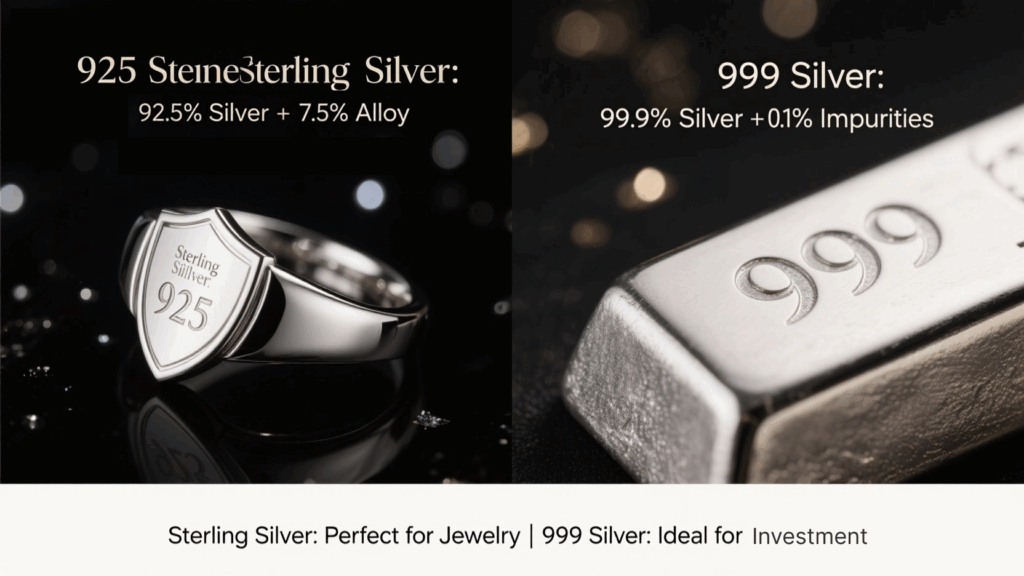
925 silver, often called sterling silver, is an alloy made up of 92.5% pure silver mixed with 7.5% other metals, usually copper. This mix makes it stronger and more resistant to wear compared to pure silver. It’s a popular choice in the market because it balances quality and cost well. For business owners like you, stocking 925 silver means offering products that hold up over time, which can lead to happy customers and fewer returns.

This type of silver has been around for centuries, used in everything from tableware to jewelry. The added metals help prevent scratches and dents, making it ideal for items that get handled a lot. If you’re running an online store or a retail shop, you’ll find that 925 silver appeals to buyers looking for affordable yet durable options. It’s easy to work with for crafting detailed designs, and it keeps its shine with basic care. Plus, it’s less likely to cause skin issues for sensitive customers, which is a big plus in sales.

What is 999 Silver?

999 silver, also known as fine silver, is 99.9% pure silver with just a tiny bit of other elements, about 0.1%. This high purity level makes it stand out as one of the purest forms available. It’s softer than alloys like 925 silver, but that softness allows for unique applications. As a distributor or retailer, understanding 999 silver can open up new product lines beyond traditional jewelry.

The purity of 999 silver gives it a bright, almost white luster that’s hard to beat. It’s often stamped with “.999” to show its quality, helping buyers trust what they’re getting. For ecommerce sellers, this type can attract investors or collectors who value purity over everything else. While it might not be as hardy for daily use, its versatility makes it a smart addition to your stock if you’re aiming for a diverse range.

Key Differences Between 925 and 999 Silver

When comparing 925 silver vs 999 silver, the main difference boils down to purity and strength. 925 silver has that 7.5% alloy mix, which boosts its hardness and makes it less prone to bending or scratching. On the flip side, 999 silver is nearly pure, so it’s softer and more malleable, which can be a pro or con depending on the use.

Price-wise, 999 silver often costs more because of its higher silver content, but 925 silver is easier on the budget for bulk buys. Durability is another key point—925 holds up better in high-wear situations, while 999 silver might show marks faster. For shop owners, think about your customers: if they’re after long-lasting pieces, go with 925; for purity fans, 999 silver fits the bill.

Appearance is similar at first glance, but 999 silver has a purer shine that doesn’t tarnish as quickly in some cases. Both can be polished to look great, but the alloy in 925 adds a subtle warmth. As a retailer, knowing these differences helps you guide buyers and boost sales by matching products to needs.

Common Uses of 925 Silver

925 silver shines brightest in the world of jewelry and accessories. It’s the go-to material for rings, necklaces, bracelets, and earrings because of its strength and ability to hold intricate designs without breaking down over time. For merchants and ecommerce sellers, this means you can offer a wide variety of stylish items that appeal to everyday shoppers.

Beyond basic jewelry, 925 silver is used in decorative items like photo frames or small sculptures, but its main strength is in wearable pieces. The added durability makes it perfect for pieces that see daily use, like wedding bands or charm bracelets. Shop owners often stock 925 silver because it’s versatile for plating or combining with gems, creating high-demand products.

It’s also favored for its hypoallergenic properties, reducing complaints from customers with sensitive skin. If you’re a distributor, consider how 925 silver fits into fashion trends—it’s easy to market as timeless and reliable. Overall, focusing on jewelry uses keeps your inventory moving fast.

Diverse Uses of 999 Silver

999 silver has a broader range of applications thanks to its high purity, making it a flexible choice for various industries. One major use is in investment products like bullion bars and coins, where purity ensures value retention. As a retailer or distributor, stocking 999 silver bullion can attract collectors and investors looking to hedge against market changes.

In electronics, 999 silver is prized for its excellent conductivity. It’s used in wiring, switches, and even solar panels to improve efficiency. For ecommerce sellers in tech-related niches, this opens doors to supplying components or related items. Photography once relied on 999 silver for film development, though digital shifts have changed that—still, it’s used in some specialty prints.

Medical fields benefit from 999 silver’s natural antibacterial qualities, appearing in wound dressings or surgical tools. Dentists use it in fillings for its biocompatibility. In the arts, sculptors and silversmiths prefer 999 silver for detailed work because it’s easy to shape. Yeah, it’s softer, but that makes it ideal for custom pieces.

Even in mirrors and reflective surfaces, 999 silver provides superior clarity. For business owners, diversifying with 999 silver means tapping into markets beyond jewelry, like industrial supplies or collectibles. This variety can help expand your customer base and increase profits.

Which Type of Silver Should You Stock?

Deciding between 925 silver and 999 silver depends on your target market and business goals. If your focus is on jewelry for everyday consumers, 925 silver is a safe bet—it’s durable, affordable, and sells well. Ecommerce sellers can highlight its strength in product descriptions to appeal to practical buyers.

For those dealing in high-end or investment items, 999 silver offers purity that commands higher prices. Distributors might stock both to cover different needs: 925 for volume sales and 999 for premium lines. Consider your storage and handling too—999 silver’s softness means extra care to avoid damage.

Think about trends: with rising interest in pure metals, 999 silver could boost your edge in competitive markets. Retailers, ask yourself what your customers value most—durability or purity? Mixing both in your inventory provides options and keeps things fresh.

Care Tips for 925 and 999 Silver

Proper care keeps both 925 and 999 silver looking sharp and extends product life, which is key for reducing returns in your business. For 925 silver, regular polishing with a soft cloth removes tarnish from the alloy mix. Store it in anti-tarnish bags to prevent exposure to air and moisture.

999 silver, being purer, tarnishes slower but scratches easier—so handle with care. Use mild soap and water for cleaning, avoiding harsh chemicals that could dull the shine. For both, advise customers to remove pieces before swimming or using lotions to maintain quality.

As a shop owner, sharing these tips in your listings builds trust and encourages repeat buys. Simple maintenance routines can make a big difference in customer satisfaction.

Final Thoughts

In the debate of 925 vs 999 silver, there’s no clear winner—it all comes down to what fits your business best. 925 silver excels in jewelry for its toughness, while 999 silver opens up exciting uses in investments, tech, and more. By understanding these, you can stock smarter and meet diverse customer demands. Keep an eye on market trends, and you’ll stay ahead in the game.

Why Factory Jewelry is Your Go-To for Stunning, Budget-Friendly Accessories

factory4 1

Introduction

Looking for jewelry that wows your customers without breaking the bank? Factory jewelry is the answer. By sourcing directly from a jewelry factory, merchants, e-commerce sellers, shop owners, retailers, and distributors can access high-quality, stylish pieces at unbeatable prices. At LekaniJewelry, we connect you straight to the factory floor, cutting out middlemen and delivering exceptional value. This guide dives into why factory jewelry is a game-changer, highlighting the benefits of direct sourcing and what makes our factory stand out.

Table of Contents

  1. What is Factory Jewelry?
  2. Benefits of Sourcing Directly from a Jewelry Factory
    2.1Cost Savings Without Compromising Quality
    2.2Access to Customizable Designs
    2.3Faster Turnaround Times
    2.4Consistent Quality and Craftsmanship
  3. Why Our Factory Stands Out
    3.1Expertise in Jewelry Production
    3.2Wide Range of Styles and Materials
    3.3Commitment to Sustainability
    3.4Reliable Support for Merchants
  4. How Factory Jewelry Boosts Your Business
  5. Conclusion

What is Factory Jewelry?

Factory jewelry refers to pieces produced directly by a manufacturing facility, like the one behind LekaniJewelry. Unlike retail jewelry, which often passes through multiple intermediaries, factory jewelry goes straight from the production line to you. This direct approach eliminates markups, ensuring you get stunning, budget-friendly accessories. Whether you’re a retailer stocking shelves or an e-commerce seller curating an online catalog, factory jewelry offers a cost-effective way to offer beautiful designs that appeal to your customers.

Benefits of Sourcing Directly from a Jewelry Factory

Sourcing factory jewelry directly from the manufacturer comes with a host of advantages. Let’s break down why this approach is a must for merchants and distributors.

Cost Savings Without Compromising Quality

Buying factory jewelry cuts out the middleman, slashing costs significantly. At LekaniJewelry, we pass those savings directly to you, offering premium pieces at wholesale prices. You’re not sacrificing quality either—our factory uses skilled artisans and high-grade materials to craft jewelry that rivals retail brands. For shop owners and e-commerce sellers, this means higher profit margins and the ability to offer competitive prices to your customers. Who doesn’t love a win-win?

Access to Customizable Designs

Want something unique? Factory jewelry allows for customization that retail can’t match. Our factory at LekaniJewelry works closely with merchants to create bespoke designs tailored to your brand or market. Whether it’s tweaking a necklace’s pendant or designing a ring for a specific audience, direct factory access gives you creative control. This flexibility helps your store stand out with exclusive pieces that keep customers coming back.

Faster Turnaround Times

Time is money, especially in retail. Sourcing factory jewelry directly means quicker delivery from production to your shelves. Our streamlined process at LekaniJewelry ensures fast turnaround without delays from third-party suppliers. For distributors and e-commerce sellers, this speed keeps your inventory fresh and ready for seasonal trends or sudden demand spikes. No more waiting weeks for stock to arrive!

Consistent Quality and Craftsmanship

Worried about inconsistent quality? Our factory maintains strict quality control, ensuring every piece meets high standards. From sparkling gemstones to durable metals, factory jewelry from LekaniJewelry is crafted with precision. Retailers and distributors can trust that every batch is consistent, building customer confidence and reducing returns. Reliable quality means happy customers and a stronger reputation for your business.

Why Our Factory Stands Out

Not all jewelry factories are created equal. Here’s what makes the factory behind LekaniJewelry a cut above the rest.

Expertise in Jewelry Production

With years of experience, our factory employs skilled artisans who know their craft inside out. From intricate hand-finishing to cutting-edge manufacturing techniques, we produce factory jewelry that balances artistry and efficiency. Merchants benefit from this expertise, receiving pieces that look luxurious without the hefty price tag. Our know-how ensures every item is crafted to impress.

Wide Range of Styles and Materials

Variety is key in retail, and our factory delivers. Whether your customers love classic gold pieces, trendy minimalist designs, or bold statement jewelry, we’ve got it all. We work with materials like sterling silver, gold-plated metals, and high-quality gemstones, giving you endless options to stock. E-commerce sellers can curate diverse collections, while shop owners can cater to every taste without breaking the budget.

Commitment to Sustainability

Today’s customers care about sustainability, and so do we. Our factory uses eco-friendly practices, like responsibly sourced materials and efficient production methods to minimize waste. By choosing factory jewelry from LekaniJewelry, you’re aligning your business with values that resonate with modern shoppers. It’s a small step that makes a big difference for environmentally conscious retailers.

Reliable Support for Merchants

Running a business is tough, but we’ve got your back. Our team at LekaniJewelry offers dedicated support to merchants, from order processing to answering design questions. Whether you’re a distributor needing bulk orders or a retailer with a small batch request, we make the process seamless. Our goal? To help you focus on selling while we handle the rest.

How Factory Jewelry Boosts Your Business

Choosing factory jewelry isn’t just about saving money—it’s about growing your business. With lower costs, you can invest in marketing, expand your product range, or offer discounts to attract more customers. The ability to customize designs lets you carve out a unique niche, setting you apart from competitors. Plus, the reliability and speed of direct factory sourcing mean you can keep up with trends and customer demands. For e-commerce sellers, this translates to faster sales cycles and happier customers. For shop owners, it means a steady supply of eye-catching pieces that fly off the shelves.

Factory jewelry also builds trust. Consistent quality and stunning designs create loyal customers who keep coming back. By partnering with a factory like ours at LekaniJewelry, you’re not just buying jewelry—you’re investing in a partnership that fuels your success. Whether you’re a small retailer or a large distributor, factory jewelry gives you the tools to thrive in a competitive market.

Conclusion

Factory jewelry is the secret weapon for merchants, e-commerce sellers, shop owners, retailers, and distributors. By sourcing directly from a trusted factory like the one behind LekaniJewelry, you get stunning, budget-friendly accessories that boost your profits and delight your customers. From cost savings to customizable designs and reliable quality, the benefits are clear. Ready to elevate your business? Visit LekaniJewelry to explore our factory jewelry and see how we can help you shine.

Sterling Silver 925 Chain

Introduction

In the world of jewelry, the sterling silver 925 chain stands out as a timeless choice for many. Made from high-quality silver that’s 92.5% pure, this type of chain offers durability and shine without breaking the bank. Whether you’re a merchant stocking up for your store or a retailer looking to appeal to diverse customers, understanding the 925 chain can help you make smart decisions. It’s versatile, easy to pair with pendants, and suits various styles. From everyday wear to special occasions, the 925 chain in sterling silver has something for everyone. Let’s dive into its designs, making processes, and how it fits different cultures and tastes.

Sterling Silver 925 Chain

Table of Contents

Understanding Sterling Silver 925 Chain

Sterling silver, often marked as 925 silver, refers to an alloy where 92.5% is pure silver mixed with 7.5% other metals, usually copper. This blend makes the 925 chain strong enough for daily use while keeping that classic silver glow. Why does this matter for ecommerce sellers and shop owners? Well, customers love items that last, and a good 925 chain resists tarnish better than pure silver.

Think about it – pure silver is too soft, so it bends easily. But with sterling silver, you get a balance of beauty and toughness. As a distributor, stocking 925 chain means offering products that appeal to a wide market. These chains come in various lengths, from short chokers to long necklaces, making them flexible for different outfits. Plus, they’re hypoallergenic for most people, which is a big selling point. If you’re in retail, highlight how easy they are to clean with just a soft cloth and mild soap. This keeps your inventory looking fresh and ready to sell.

In terms of value, 925 silver holds up well over time. It’s not as pricey as gold but gives that premium feel. For merchants, this means better margins without skimping on quality. Overall, the sterling silver 925 chain is a staple that can boost your sales by meeting everyday needs.

When it comes to designs, the 925 chain offers endless options to suit any taste. One common style is the cable chain, with its simple oval links that twist together. It’s straightforward and works great for both men and women. Then there’s the Figaro chain, which mixes short and long links in a pattern – think three small ones followed by a big one. This adds a bit of flair without being over the top.

For something more elegant, the snake chain slithers smoothly like its namesake, with tight links that create a solid, flexible tube. It’s popular among retailers because it pairs well with pendants. Don’t forget the box chain, made of square links that stack up neatly. It’s sturdy and has a modern edge. As an ecommerce seller, offering these designs can help you cater to trends. Hey, some folks even go for the rope chain, twisted like a helix for that textured look.

Each design has its charm. For instance, the curb chain with flattened links lies flat on the skin, making it comfy for all-day wear. Shop owners might notice that lighter designs sell faster in summer, while chunkier ones do well in winter. By stocking a mix, you ensure your customers find the perfect 925 chain to match their style.

Crafting Methods for 925 Chain

Crafting a sterling silver 925 chain involves several steps to ensure quality. It starts with melting the silver alloy to the right mix. Once liquid, it’s poured into molds or drawn into wires. Wire drawing is key – pulling the metal through smaller holes to get thin, even strands. This makes the base for links.

Next comes linking. Machines or skilled hands connect each piece, whether it’s for a simple cable or complex Figaro. Soldering joins them securely, using heat to fuse without weakening the metal. After that, polishing brings out the shine. Tumbling in a barrel with abrasives smooths edges, and then a final buff gives that mirror finish.

Some methods add extras, like rhodium plating for extra tarnish resistance. As a distributor, knowing these processes helps you spot high-quality 925 chain. Handmade ones might cost more but offer unique touches. Machine-made are consistent and affordable, ideal for bulk orders. Either way, the goal is a durable product. Retailers, pay attention to the clasp – lobster or spring ring types ensure it stays put. Understanding these crafts lets you explain value to buyers, building trust in your stock.

Cultural Preferences and Consumer Choices Around 925 Chain

Around the world, the 925 chain holds different meanings based on culture. In Western countries like the US and Europe, people often choose sleek, minimalist designs for everyday wear. It’s about subtlety – a thin sterling silver chain with a small pendant says “elegant without effort.” Ecommerce sellers targeting these markets should focus on versatile pieces that fit office or casual looks.

In Asia, especially India and China, bolder 925 silver chains are favored. They might include intricate patterns reflecting traditional motifs, like floral links symbolizing prosperity. Consumers there see jewelry as an investment, so durability matters a lot. For merchants, this means offering chunkier styles that can hold heavier pendants for festivals or weddings.

Latin American buyers lean toward expressive designs, perhaps with cultural symbols. A rope 925 chain might represent unity in family heirlooms. In the Middle East, shiny, ornate chains show status. Shop owners, tailor your inventory to these preferences – it boosts sales. Overall, understanding these joys helps retailers connect with diverse groups. It’s not just selling; it’s matching what people love in their culture.

Pairing 925 Chain with Pendants

One of the best things about a 925 chain is how well it works with pendants. The smooth sterling silver surface lets any charm stand out. For a simple look, pair a thin chain with a delicate heart pendant – perfect for daily wear. Thicker chains handle larger pendants, like gemstones or crosses, without sagging.

As a retailer, advise customers on balance. A heavy pendant needs a sturdy 925 chain to avoid breakage. Length matters too – shorter chains keep pendants high on the chest, while longer ones let them dangle freely. This versatility makes the 925 silver chain a go-to for personalization. Imagine layering multiple chains with different pendants for a trendy stack.

Pendants add meaning, from birthstones to symbols of faith. Distributors, stock kits that include both for easy upselling. It’s straightforward: the right pairing turns a basic chain into a statement piece. This approach appeals to all, making your offerings more attractive.

At Lekani Jewelry, we offer the LKN-189H, a prime example of a sterling silver 925 chain designed for excellence. This model features a classic cable design that’s both strong and stylish, ideal for merchants seeking reliable stock. What sets it apart is its seamless pairing with pendants. The secure lobster clasp holds even heavier charms without issue, ensuring your customers’ favorites stay in place.

Crafted with precision, the LKN-189H uses top-grade 925 silver for lasting shine. It’s available in various lengths, from 18 to 24 inches, fitting different preferences. For ecommerce sellers, this chain’s hypoallergenic nature means fewer returns. Plus, its polished finish resists tarnish, keeping it looking new.

Focus on pendants: this 925 chain enhances any attachment, whether a simple disc or intricate locket. The even links prevent twisting, so pendants hang straight. Retailers, showcase it with custom pendants to inspire buys. Visit https://lekanijewelry.com/product/lkn-189h/ to see how it elevates your inventory. It’s a smart choice for quality and appeal.

Conclusion

The sterling silver 925 chain remains a key player in jewelry for good reason. From varied designs and crafting methods to cultural fits and pendant pairings, it offers endless options. As a shop owner or distributor, embracing these aspects can grow your business. Check out our LKN-189H at https://lekanijewelry.com/ for a standout example. With the right 925 chain, you’re set to meet customer needs and drive sales. Keep it simple, keep it shining.

Sterling Silver 925 Pendant

Introduction

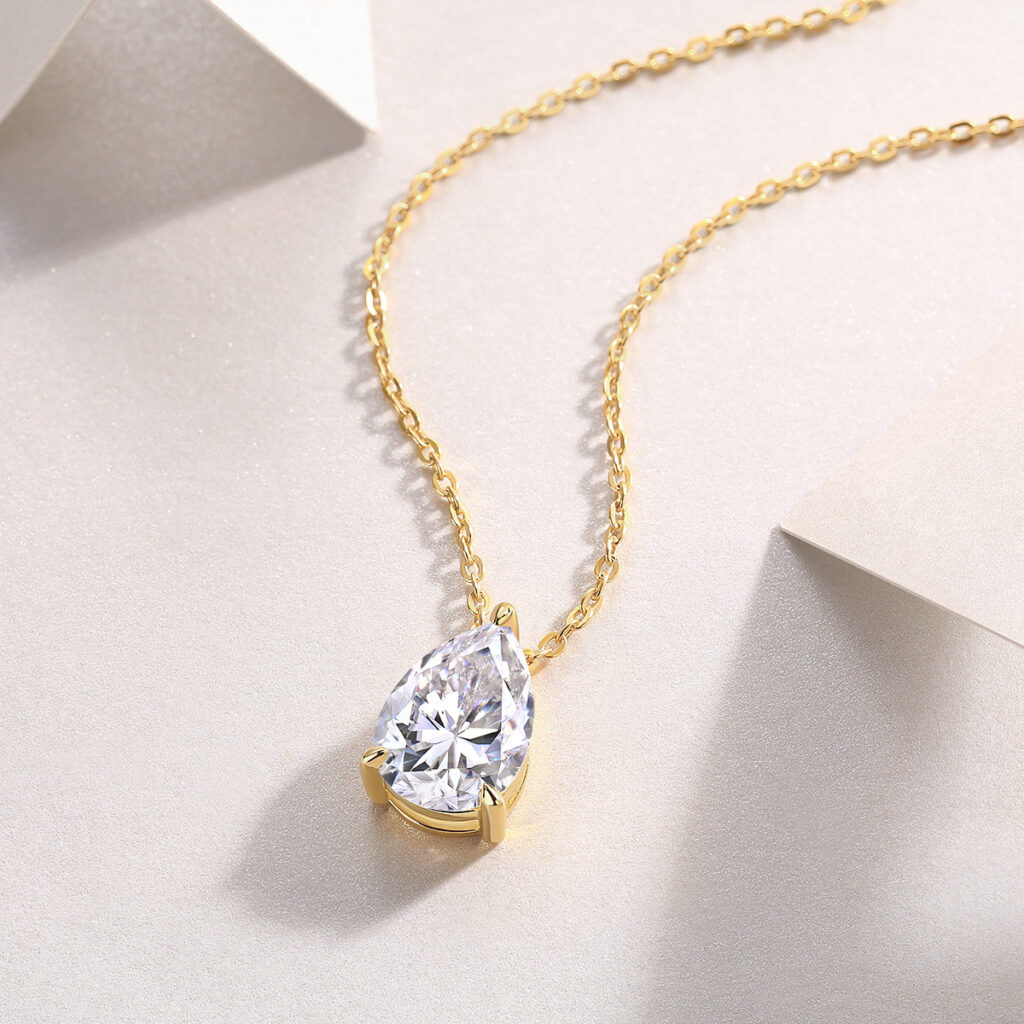
Sterling silver 925 pendants are timeless pieces that blend elegance and versatility, making them a must-have for jewelry merchants, ecommerce sellers, shop owners, retailers, and distributors. Crafted from 92.5% pure silver, these pendants offer durability and a polished shine that appeals to diverse customers. Whether you’re stocking your store or curating an online collection, understanding the designs, craftsmanship, and cultural preferences behind 925 pendants can help you meet market demands. Let’s dive into what makes these pieces so special and explore a standout example from Lekani Jewelry.

pendant

Table of Contents

  1. What Is a Sterling Silver 925 Pendant?
  2. Popular Designs of 925 Pendants
  3. Craftsmanship and Manufacturing Techniques
  4. Cultural Preferences and Consumer Trends
  5. Spotlight: Lekani Jewelry’s 925 Pendant
  6. Why Choose 925 Pendants for Your Business?
  7. Conclusion

What Is a Sterling Silver 925 Pendant?

A sterling silver 925 pendant is a jewelry piece made from an alloy containing 92.5% pure silver and 7.5% other metals, usually copper, for added strength. This composition ensures the pendant is durable yet retains that signature silver glow. Pendants are versatile—they can be worn on chains, cords, or even as charms. For retailers, stocking 925 pendants means offering customers a balance of quality and affordability. Unlike pure silver, which is too soft, 925 silver strikes the perfect balance, making it ideal for intricate designs that last.

Sterling silver 925 pendants come in a variety of designs to suit different tastes. Here are some popular styles:

  • Minimalist Designs: Simple shapes like circles, hearts, or geometric forms appeal to customers who love understated elegance. These are perfect for everyday wear and attract younger buyers.
  • Gemstone Accents: Many pendants feature gemstones like turquoise, amethyst, or cubic zirconia for a pop of color. These catch the eye and add value for retailers.
  • Symbolic Motifs: Crosses, stars, or cultural symbols like the Tree of Life resonate with buyers seeking meaningful jewelry.
  • Vintage-Inspired: Intricate filigree or engraved patterns draw in customers who love classic, ornate styles.

For example, the pendant at Lekani Jewelry features a delicate floral design with a sparkling gemstone center, blending minimalist and gemstone trends. This versatility makes it a bestseller for diverse markets.

Craftsmanship and Manufacturing Techniques

The beauty of a 925 pendant lies in its craftsmanship. Here’s a look at common techniques used to create these pieces:

  • Casting: Molten silver is poured into molds to create detailed shapes. This method is great for producing complex designs like the floral pendant at Lekani Jewelry.
  • Hand-Engraving: Artisans carve patterns by hand, adding a unique touch. This is popular for custom or high-end pieces.
  • Stamping: Metal sheets are cut or pressed into shapes, ideal for mass production of simpler designs.
  • Polishing and Plating: Pendants are polished for shine or plated with rhodium to enhance durability and prevent tarnishing.

Each technique affects the pendant’s look and price point. For instance, hand-engraved pieces may appeal to niche markets, while stamped designs suit budget-conscious buyers. Retailers can stock a mix to cater to different customer segments.

Jewelry preferences vary across regions, and understanding these can help merchants stock the right 925 pendants:

  • North America: Consumers here lean toward minimalist and gemstone-accented pendants. They value versatility—pieces that work for both casual and formal settings. The Lekani Jewelry pendant, with its floral and gemstone design, fits this trend perfectly.
  • Europe: Vintage and symbolic designs are popular, especially in markets like the UK and France, where buyers appreciate heritage-inspired jewelry.
  • Asia: Intricate designs with cultural motifs, like lotus flowers or jade inlays, are in demand. Bright gemstones also appeal to younger buyers.
  • Middle East: Bold, statement-making pendants with larger gemstones or gold-plated accents are favored for their luxurious appeal.

Seasonal trends also play a role. Heart-shaped pendants sell well around Valentine’s Day, while spiritual motifs peak during holidays. Retailers can use these insights to curate collections that resonate with their target audience.

Spotlight: Lekani Jewelry’s 925 Pendant

One standout example is the sterling silver 925 pendant from Lekani Jewelry. This piece features a delicate floral design with a central gemstone that catches the light beautifully. Crafted using precision casting, it showcases fine details that appeal to customers seeking elegance without extravagance. The pendant’s versatile design makes it suitable for daily wear or special occasions, appealing to a wide range of buyers. Its rhodium plating ensures long-lasting shine, reducing maintenance for customers. For retailers, this pendant is a great addition due to its universal appeal and high-quality craftsmanship.

Why Choose 925 Pendants for Your Business?

Sterling silver 925 pendants are a smart choice for merchants and retailers for several reasons:

  • Affordability: Compared to gold or platinum, 925 silver offers a budget-friendly option without sacrificing quality.
  • Versatility: With endless design possibilities, pendants can cater to diverse customer preferences, from minimalist to ornate.
  • Durability: The 92.5% silver alloy ensures pieces withstand daily wear, reducing returns for retailers.
  • Market Demand: Sterling silver remains a top choice for jewelry buyers globally, ensuring steady sales.

By stocking pieces like the Lekani Jewelry pendant, retailers can attract customers looking for both style and value. Offering a mix of designs—minimalist, gemstone, or symbolic—ensures you meet varied tastes and boost sales.

Conclusion

Sterling silver 925 pendants are a cornerstone of any jewelry business, offering a blend of style, durability, and affordability. From minimalist designs to intricate, gemstone-accented pieces, there’s a pendant for every customer. Understanding craftsmanship techniques and cultural preferences allows merchants to curate collections that resonate with their audience. The pendant from Lekani Jewelry is a prime example of how quality and design can drive sales. Stock these versatile pieces to elevate your inventory and meet the demands of today’s jewelry lovers.

925 Sterling Silver Cuff Bracelet

Introduction

Cuff bracelets have long been celebrated for their bold, statement-making designs and timeless elegance. Among the many materials used for crafting these accessories, 925 sterling silver stands out as a favorite for its exceptional quality, durability, and versatility. For merchants, ecommerce sellers, shop owners, retailers, and distributors, understanding the unique appeal of 925 sterling silver cuff bracelets is essential for curating collections that resonate with customers. In this article, we’ll explore what sets cuff bracelets apart from regular bracelets, the benefits of using 925 sterling silver, and why products like the LKN-13NE cuff bracelet from [lekanijewelry.com] are perfect for your inventory. Whether you’re looking to expand your product range or educate your customers, this guide will provide valuable insights into the world of 925 sterling silver cuff bracelets.

Table of Contents

1. What is a Cuff Bracelet?

A cuff bracelet is a type of jewelry characterized by its rigid, open-ended design. Unlike traditional bracelets that often feature clasps or hinges, cuff bracelets are designed to slip over the wrist without any fastening mechanism. This unique structure not only enhances their aesthetic appeal but also makes them incredibly easy to wear and remove. Typically worn low on the wrist, cuff bracelets can be crafted from various materials, including metals like gold, platinum, and sterling silver, as well as leather or resin. However, 925 sterling silver is particularly popular due to its balance of beauty, durability, and affordability. Cuff bracelets have a rich history, dating back to ancient civilizations where they were often worn as symbols of status or protection. Today, they remain a versatile accessory, perfect for both casual and formal occasions.

2. Differences Between Cuff Bracelets and Regular Bracelets

While all cuff bracelets are technically bracelets, not all bracelets are cuff bracelets. The key differences lie in their design and functionality:

Design: Cuff bracelets are rigid and open-ended, with no clasp or hinge. They are designed to slide over the wrist and sit snugly without any fastening. In contrast, regular bracelets, such as bangle bracelets, are typically closed circles that either slip over the hand or feature a clasp or hinge for closure.

Wearability: Cuff bracelets are often worn lower on the wrist, closer to the hand, and are less likely to slide around. Bangles, on the other hand, can be worn higher up the arm and are more prone to movement.

Style: Cuff bracelets are often seen as bold, statement pieces due to their open design and rigid structure. They can be more intricate and decorative, making them a focal point in any jewelry collection. Regular bracelets, especially chain or link bracelets, tend to be more flexible and can be layered for a stacked look.

Versatility: While both types of bracelets can be styled in various ways, cuff bracelets offer a unique edge due to their adjustable nature. They can be worn alone for a minimalist look or paired with other accessories for a more eclectic style.

Understanding these differences is crucial for merchants and sellers when curating their product offerings, as customers often seek specific styles to match their personal taste or occasion.

3. Benefits of 925 Sterling Silver for Jewelry

925 sterling silver is an alloy composed of 92.5% pure silver and 7.5% other metals, typically copper. This composition makes it an ideal material for jewelry, offering a perfect balance of beauty and practicality. Here are some key benefits of using 925 sterling silver:

Durability: Pure silver is too soft for everyday wear, but the addition of other metals like copper makes 925 sterling silver much stronger and more resistant to bending or breaking.

Affordability: Compared to other precious metals like gold or platinum, 925 sterling silver is significantly more affordable, making it an excellent choice for both budget-conscious consumers and high-end buyers looking for value.

Hypoallergenic: Many people are sensitive to certain metals, but 925 sterling silver is generally hypoallergenic, especially when it’s of high quality and properly cared for.

Versatility: Sterling silver can be crafted into a wide range of designs, from simple and elegant to intricate and detailed, catering to diverse tastes and preferences.

Timeless Appeal: Silver has a classic, understated beauty that never goes out of style, making it a staple in jewelry collections for generations.

Easy to Care For: With proper maintenance, 925 sterling silver jewelry can retain its shine and luster for years. Simple cleaning and proper storage can prevent tarnishing and keep the piece looking new.

For merchants and sellers, these benefits make 925 sterling silver an attractive option for expanding product lines, as it appeals to a broad customer base and offers excellent value for money.

4. Introducing the LKN-13NE Cuff Bracelet

At [lekanijewelry.com], the LKN-13NE cuff bracelet is a standout example of the craftsmanship and quality that 925 sterling silver offers. This bracelet features a unique wicker texture with a twisted design, giving it a distinctive punk retro aesthetic that appeals to both men and women. Made entirely of 925 sterling silver (also referred to as S925 silver), this cuff bracelet ensures durability and longevity, making it a reliable choice for everyday wear.

The use of solid 925 sterling silver in this bracelet highlights its premium quality, as it ensures the piece is both sturdy and resistant to wear. This makes it an excellent addition to any jewelry collection, appealing to customers who value both style and substance.

5. Why Choose 925 Sterling Silver Cuff Bracelets?

For merchants, ecommerce sellers, and retailers, stocking 925 sterling silver cuff bracelets like the LKN-13NE offers several advantages:

Style and Elegance: Cuff bracelets made of 925 sterling silver add a touch of sophistication to any outfit. Their open design and natural shine make them versatile accessories that can elevate both casual and formal looks.

Durability and Longevity: The robust nature of 925 sterling silver ensures that these bracelets can withstand daily wear, reducing returns and customer complaints about damaged products.

Broad Appeal: Sterling silver cuff bracelets are suitable for a wide range of customers, from those seeking everyday accessories to those looking for special occasion pieces. Their timeless appeal ensures they remain in demand across seasons and trends.

Gift-Worthy: With their elegant design and versatility, 925 sterling silver cuff bracelets make excellent gifts for various occasions, from birthdays to holidays. This increases their appeal as a product category.

Profitability: The affordability of sterling silver compared to other precious metals allows for competitive pricing while maintaining healthy profit margins.

By focusing on high-quality products like the LKN-13NE cuff bracelet, sellers can attract customers who value craftsmanship and durability, setting their brand apart in a competitive market.

6. Conclusion

925 sterling silver cuff bracelets, such as the LKN-13NE from [lekanijewelry.com], represent the perfect blend of style, durability, and affordability. Their unique design, combined with the timeless appeal of sterling silver, makes them a must-have for any jewelry collection. For merchants, ecommerce sellers, shop owners, retailers, and distributors, offering these bracelets can help attract a wide range of customers, from fashion enthusiasts to those seeking meaningful gifts. By understanding the differences between cuff bracelets and regular bracelets, the benefits of 925 sterling silver, and the specific qualities of products like the LKN-13NE, you can confidently curate a collection that meets the needs of your target audience. Explore the world of 925 sterling silver cuff bracelets today and elevate your product offerings to new heights.