








Finding reliable jewelry manufacturers can make or break your business. Whether you run an online store or a physical shop, the right supplier ensures your products shine and customers keep coming back. This guide breaks down key factors like craftsmanship, global locations, and selection tips to help merchants, ecommerce sellers, shop owners, retailers, and distributors pick the best partner. Let’s dive in and build a strong supply chain for your brand.
Table of Contents
- Understanding Jewelry Manufacturing Processes
- Raw Material Handling in Jewelry Production
- Global Distribution of Jewelry Manufacturers
- Key Factors to Evaluate When Choosing Suppliers
- Final Tips for Building Long-Term Partnerships
Understanding Jewelry Manufacturing Processes
Jewelry manufacturing starts with design and ends with a polished piece ready for sale. Most jewelry manufacturers use a mix of traditional and modern methods to create high-quality items. For example, casting is common—it involves melting metal and pouring it into molds to form shapes like rings or pendants. This process works well for bulk orders and keeps costs down.
Handcrafting adds a personal touch. Skilled workers shape metal by hand, set stones, and add details. It’s perfect for custom pieces or limited runs. Many factories now use CAD software for precise designs, then 3D printing for prototypes. This speeds up production and reduces errors.
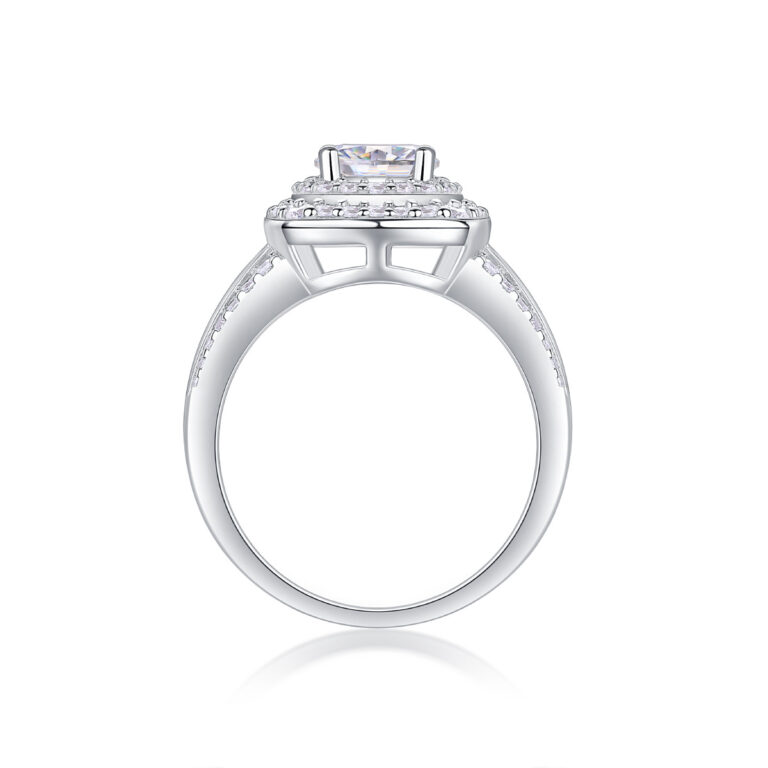
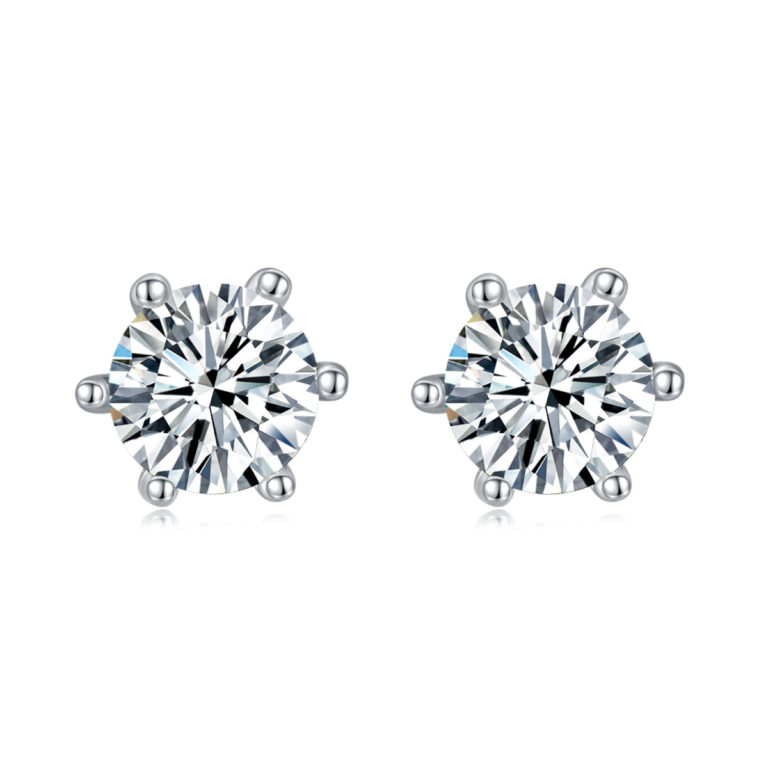
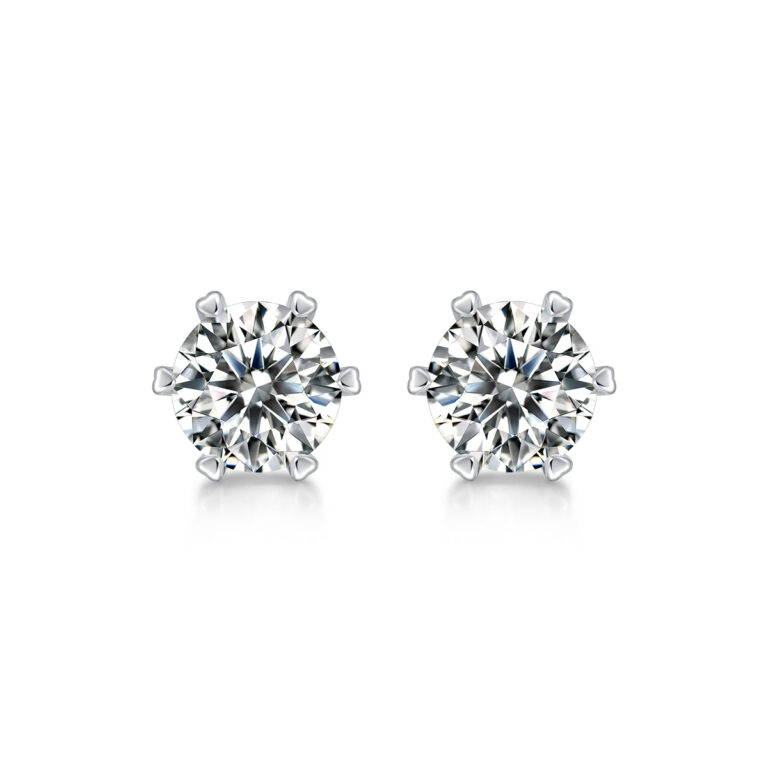
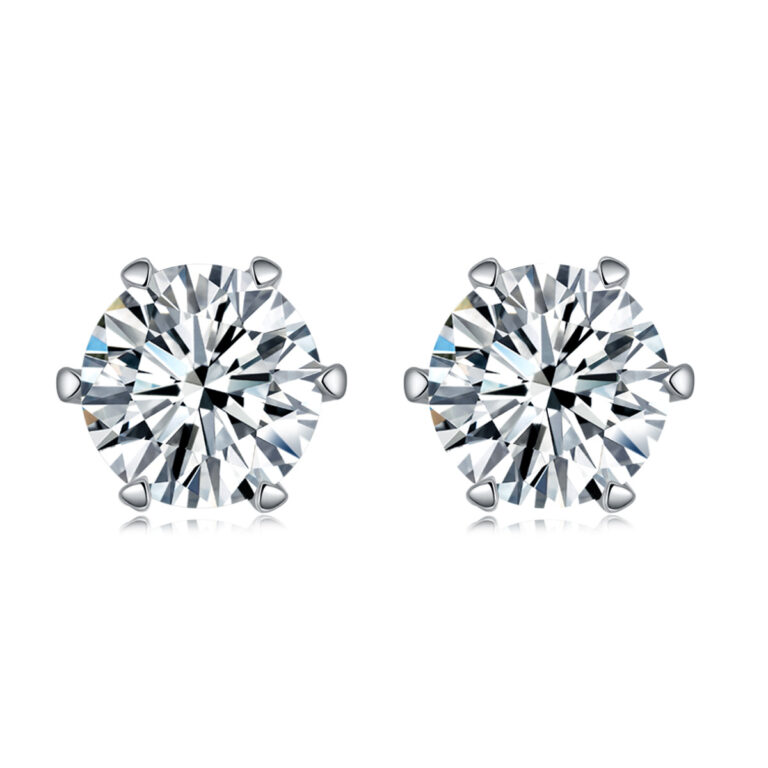
Polishing and plating come last. Workers buff pieces to a shine and apply coatings like rhodium for durability. Quality jewelry manufacturers test every step to avoid flaws. If you’re sourcing moissanite jewelry, look for experts in stone setting—these gems need careful placement to sparkle without falling out.
These processes ensure your inventory meets customer expectations. A good supplier explains their methods upfront, so you know what you’re getting. This builds trust and helps your brand stand out in a crowded market.
Raw Material Handling in Jewelry Production
Handling raw materials is the heart of jewelry making. Jewelry manufacturers source metals, stones, and other components carefully to control quality and cost. Gold, silver, and platinum are popular bases. Silver, for instance, is affordable and versatile—it’s often alloyed with copper for strength.
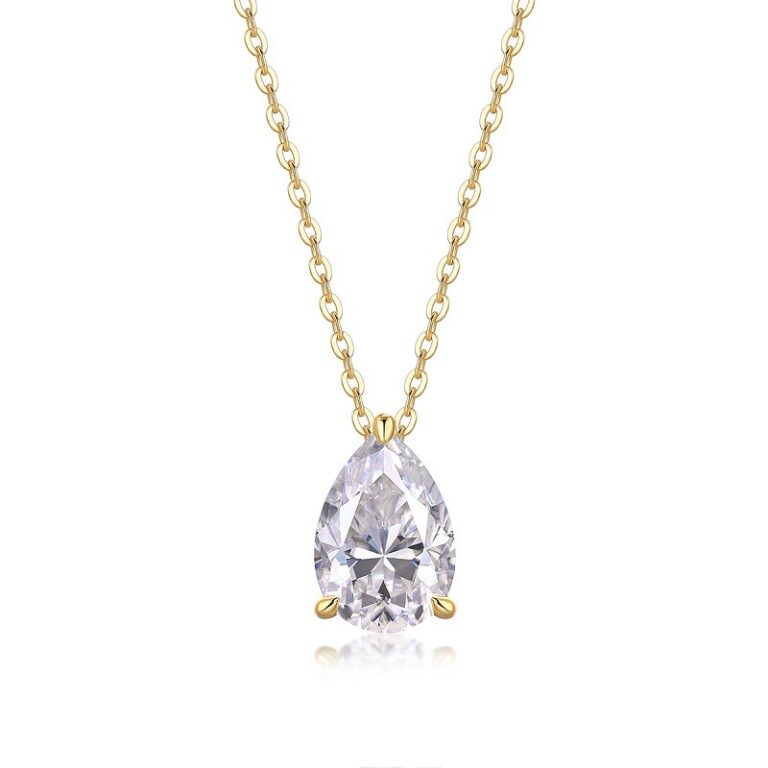
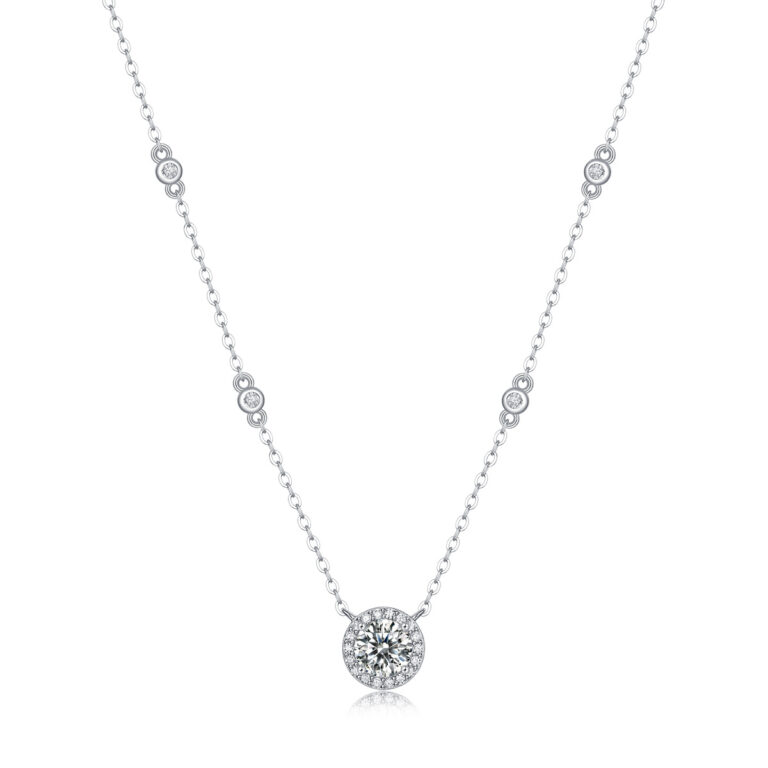
For stones like moissanite, suppliers cut and grade them in-house or from trusted partners. Moissanite is lab-grown, eco-friendly, and nearly as hard as diamonds. Factories inspect each stone for clarity, color, and cut before setting. This prevents defects in the final product.
Recycling plays a big role too. Many jewelry manufacturers melt down scrap metal to reuse it, cutting waste and expenses. They store materials in climate-controlled areas to avoid tarnish or damage. Proper handling means consistent output—your silver earrings won’t vary from batch to batch.
Suppliers also test for allergies, like nickel-free options. If your customers love hypoallergenic pieces, ask about certifications. Good material practices lead to durable jewelry that boosts repeat sales for retailers and distributors.
Global Distribution of Jewelry Manufacturers
Jewelry manufacturers are spread across the world, each region offering unique strengths. China leads in volume, with massive factories producing affordable items fast. Places like Guangzhou and Yiwu specialize in silver and fashion jewelry, ideal for ecommerce sellers needing quick turnaround.
India shines in handmade and gemstone work. Cities like Jaipur are hubs for intricate designs and moissanite settings. Labor costs are low, but shipping times can be longer.
The United States and Europe focus on high-end or ethical production. Italy’s Vicenza district is known for gold craftsmanship, while Thailand in Bangkok excels in silver and colored stones. These areas often meet strict regulations, appealing to brands prioritizing sustainability.
Emerging spots like Vietnam and Turkey are growing. They offer competitive prices and modern facilities. No matter where, top jewelry manufacturers adapt to global trends. For shop owners, choosing a location balances cost, speed, and quality. Research trade shows or online directories to connect with suppliers in your preferred region.
This worldwide network gives merchants flexibility. Pick based on your brand’s needs—bulk from Asia or custom from Europe.
Key Factors to Evaluate When Choosing Suppliers
Selecting the right jewelry manufacturers requires checking several boxes. Start with price. Get quotes from multiple sources, but don’t chase the cheapest—factor in shipping and tariffs. Aim for value that fits your margins as a retailer or distributor.
Quality is non-negotiable. Request samples to test durability, finish, and weight. Look for certifications like ISO for consistent standards. If you’re into moissanite or silver lines, ensure the supplier specializes in those to avoid fakes or poor cuts.
Style updates keep your inventory fresh. Top suppliers release new designs seasonally. Ask about their R&D team and how often they refresh catalogs. This helps ecommerce sellers stay ahead of trends.
After-sales service seals the deal. What happens if a batch has issues? Good jewelry manufacturers offer returns, repairs, or replacements without hassle. Check lead times too—reliable ones deliver on schedule to prevent stockouts.
Communication matters. Choose partners who respond quickly and speak your language. Visit factories if possible, or use video calls. For distributors handling large volumes, negotiate MOQs and payment terms upfront.
Weigh these factors against your business goals. A balanced supplier supports growth without headaches.
Final Tips for Building Long-Term Partnerships
Once you’ve picked jewelry manufacturers, nurture the relationship. Start small with test orders to build trust. Provide clear specs and feedback—this helps them improve for your brand.
Stay in touch regularly. Share market insights or customer preferences to co-create products. Loyal partners often give priority during busy seasons.
Diversify a bit. Have a primary supplier and a backup to avoid disruptions. This is smart for shop owners reliant on steady supply.
Monitor performance over time. Track defect rates, delivery accuracy, and innovation. Adjust if needed, but aim for longevity—strong ties lead to better deals and exclusive designs.
Hey, picking the right partner isn’t a one-time thing. Review annually to ensure they still fit. With the right approach, your jewelry line will thrive.
For reliable options in moissanite and silver, explore suppliers that align with these tips. Your brand deserves the best.