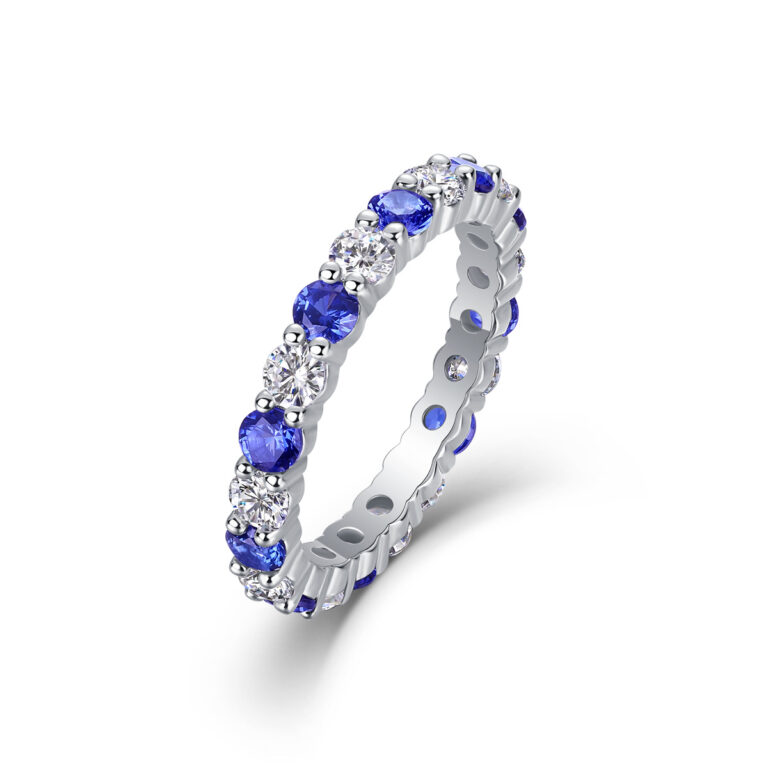
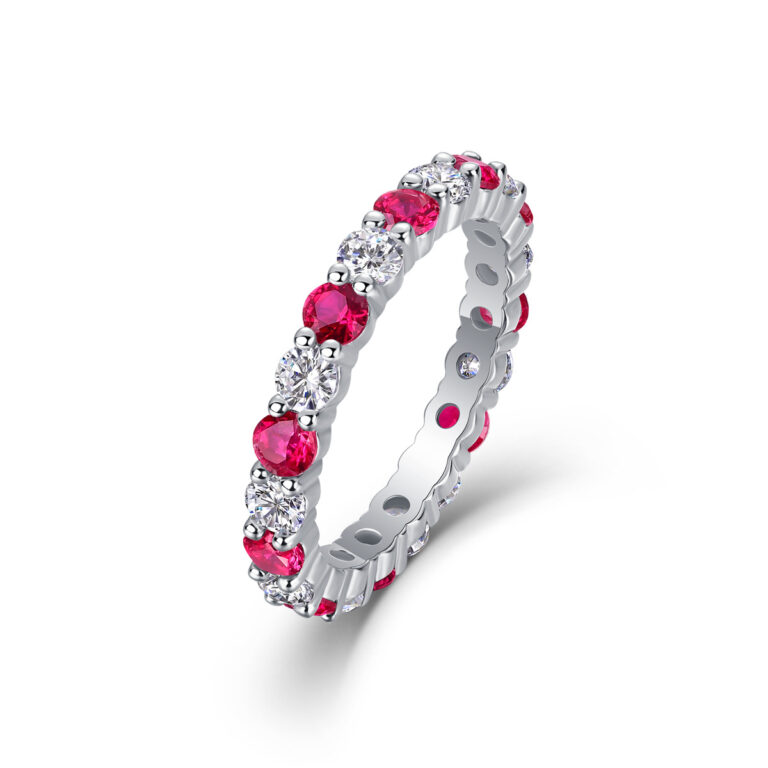
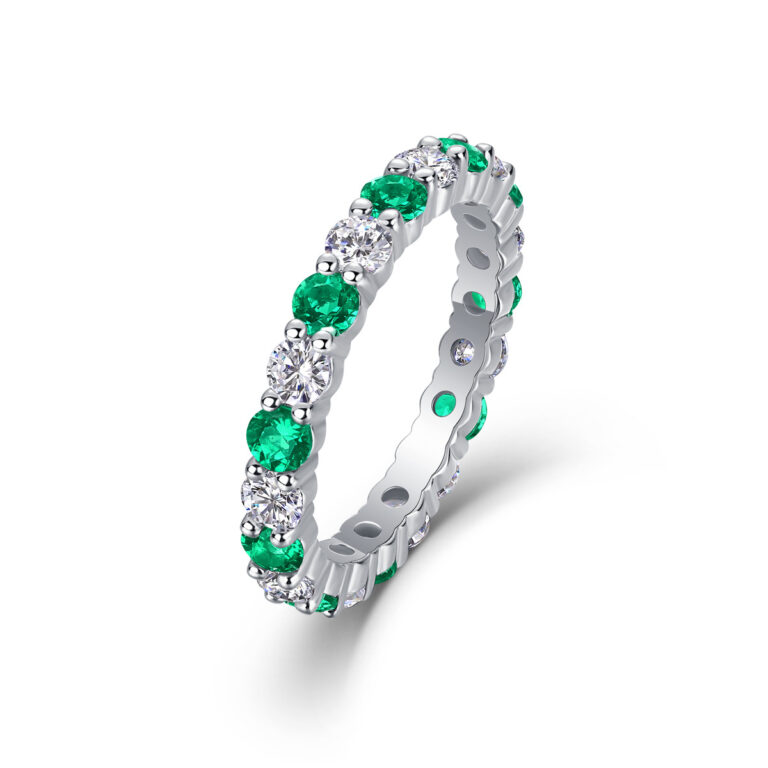

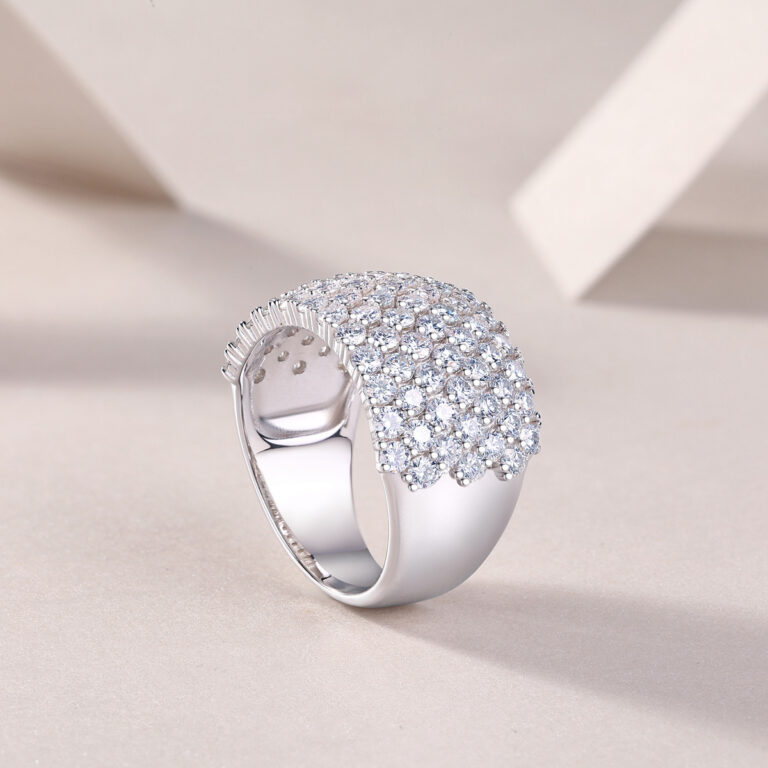



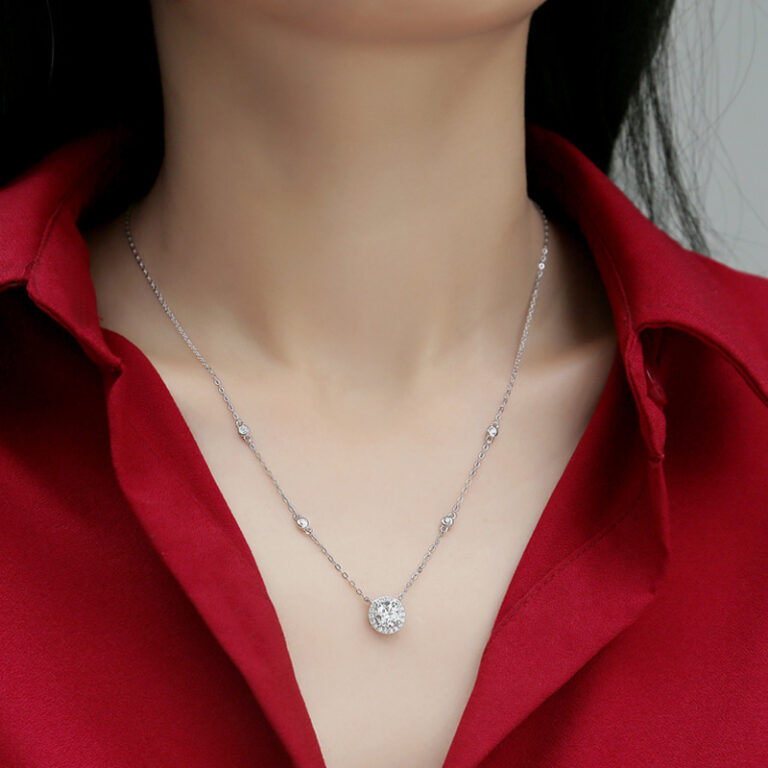
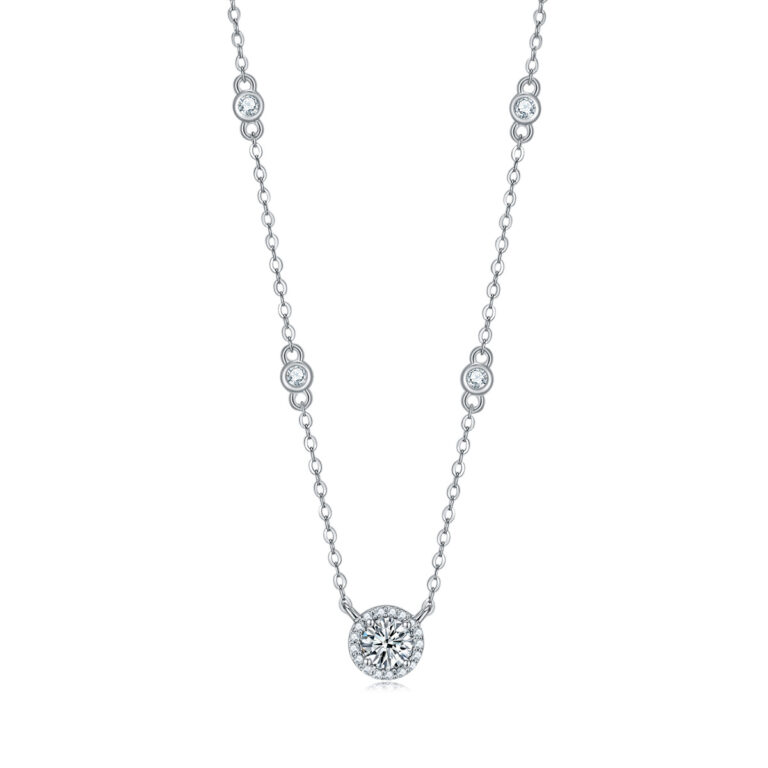
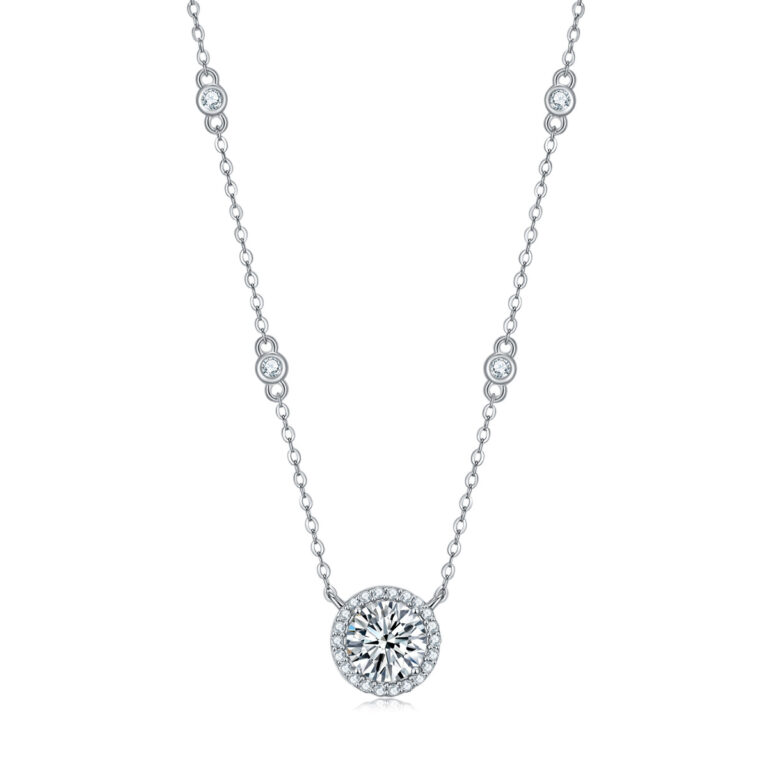
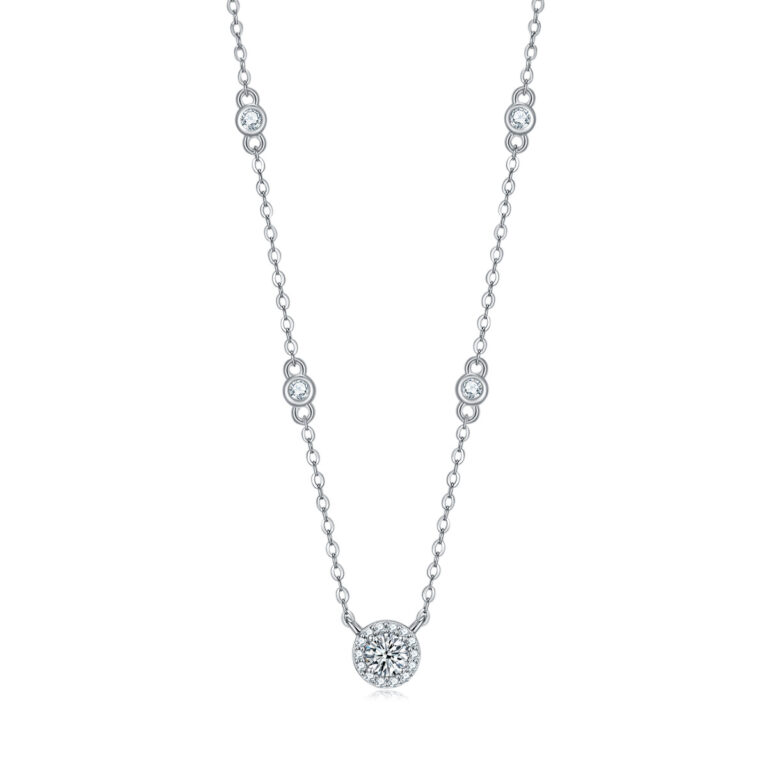
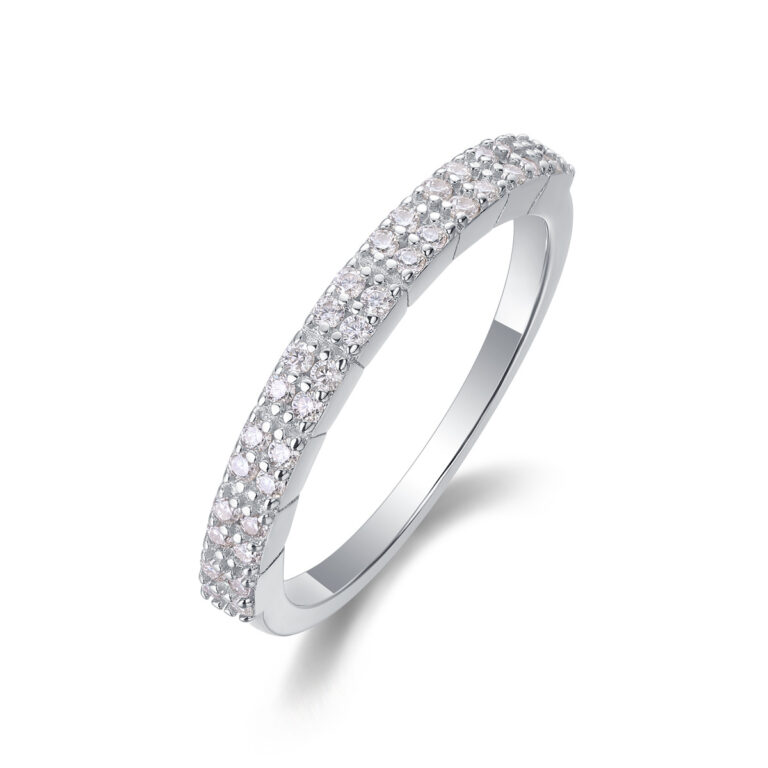
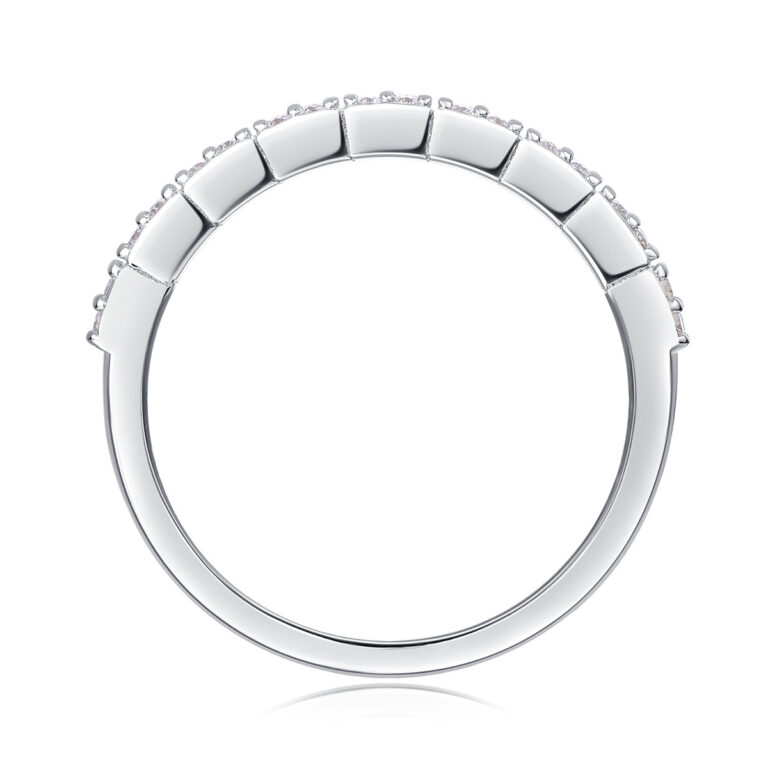

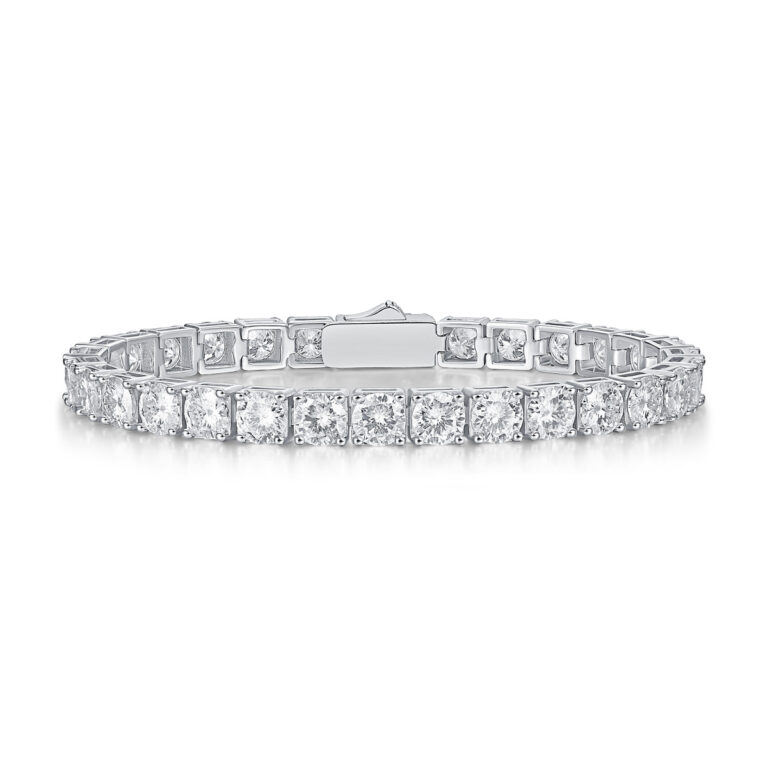
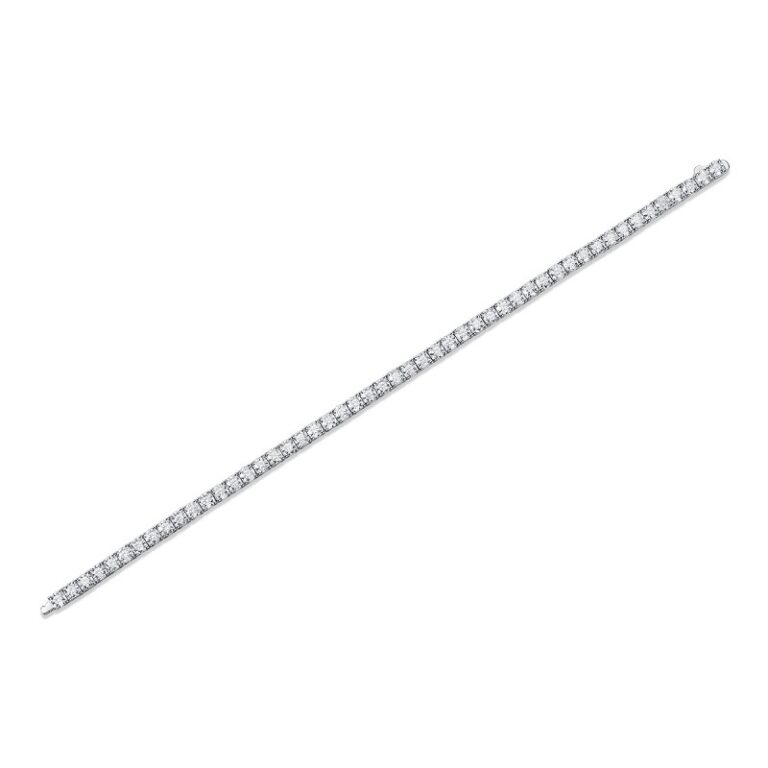

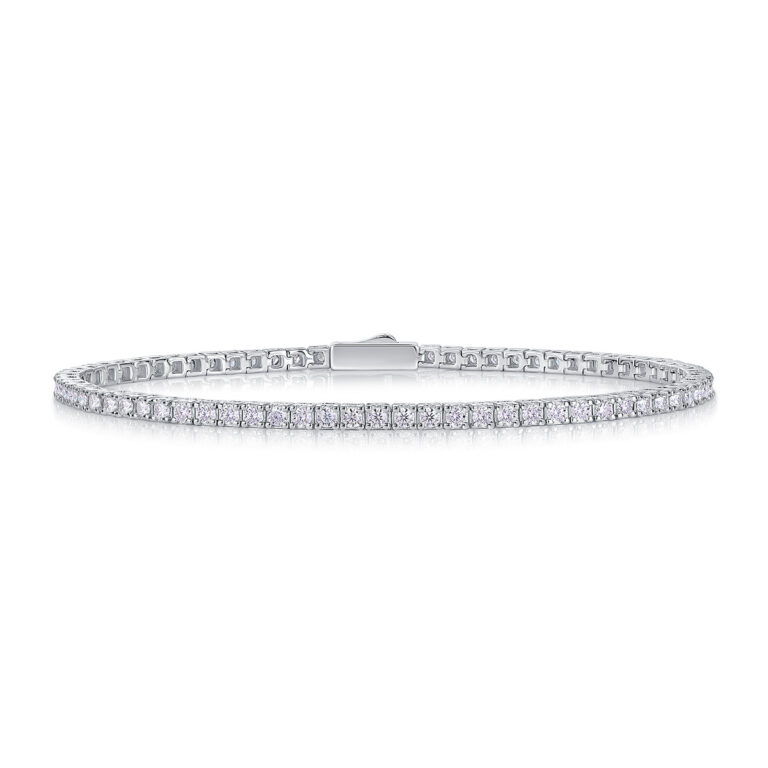
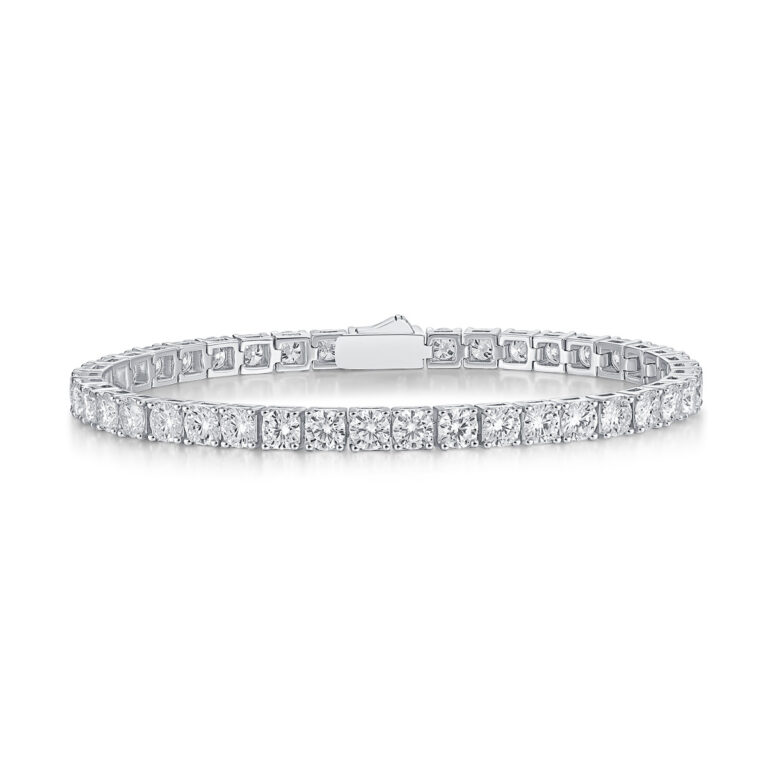
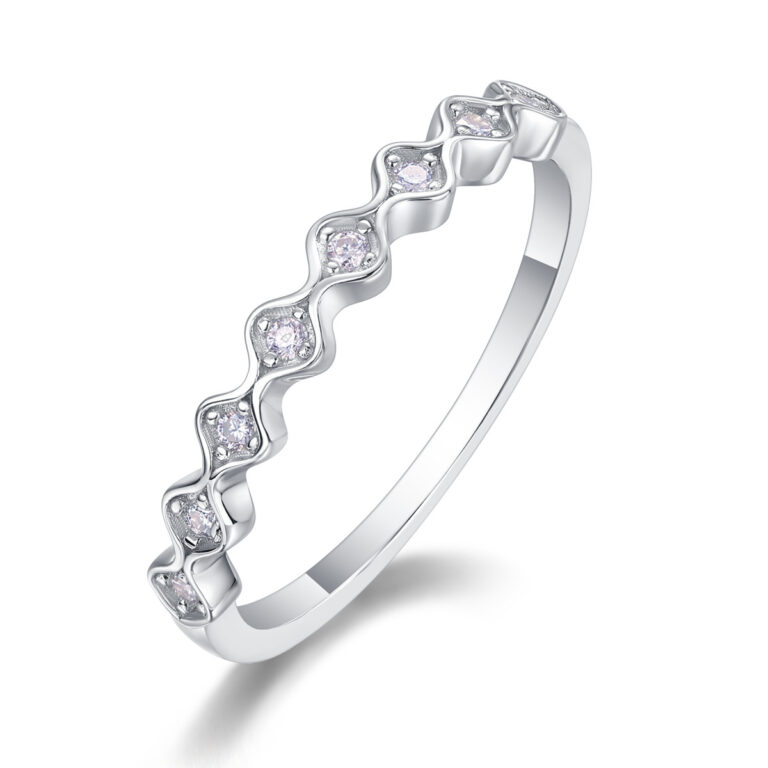
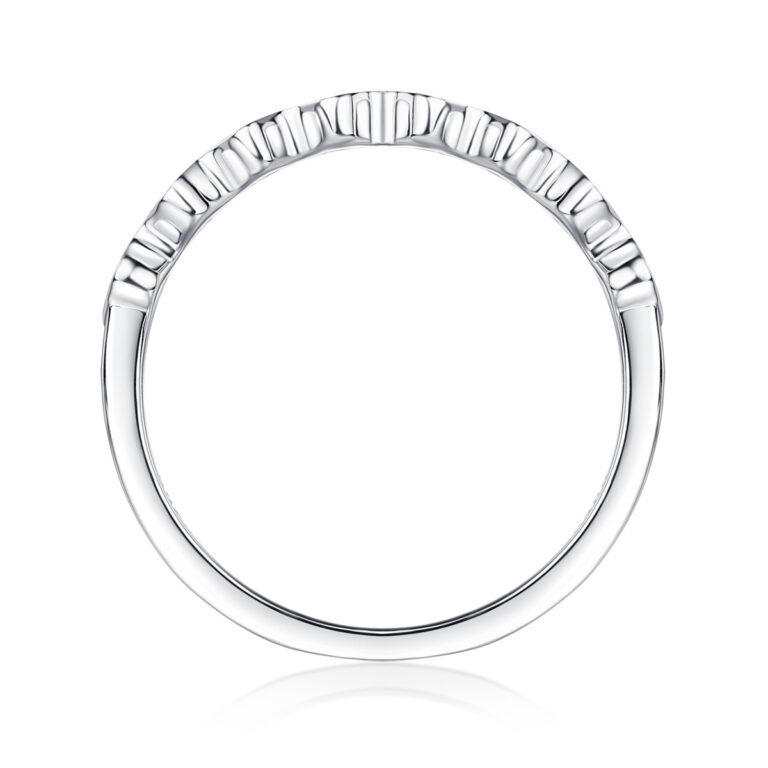

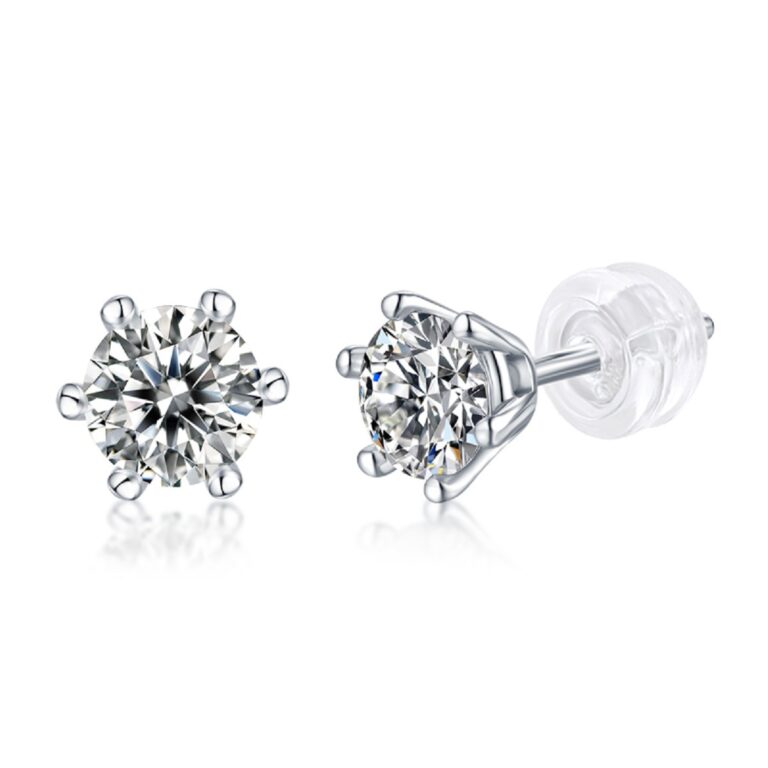
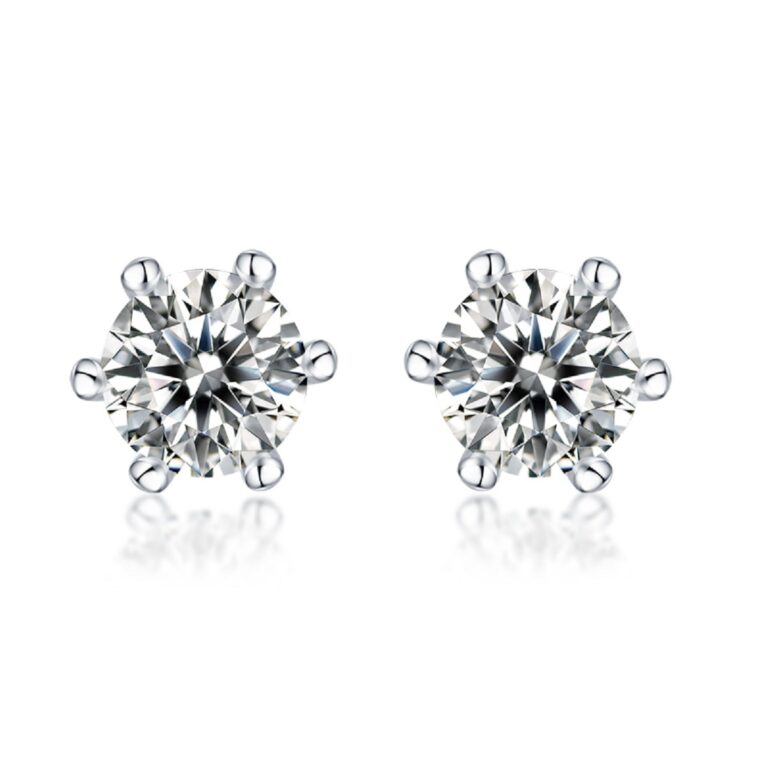
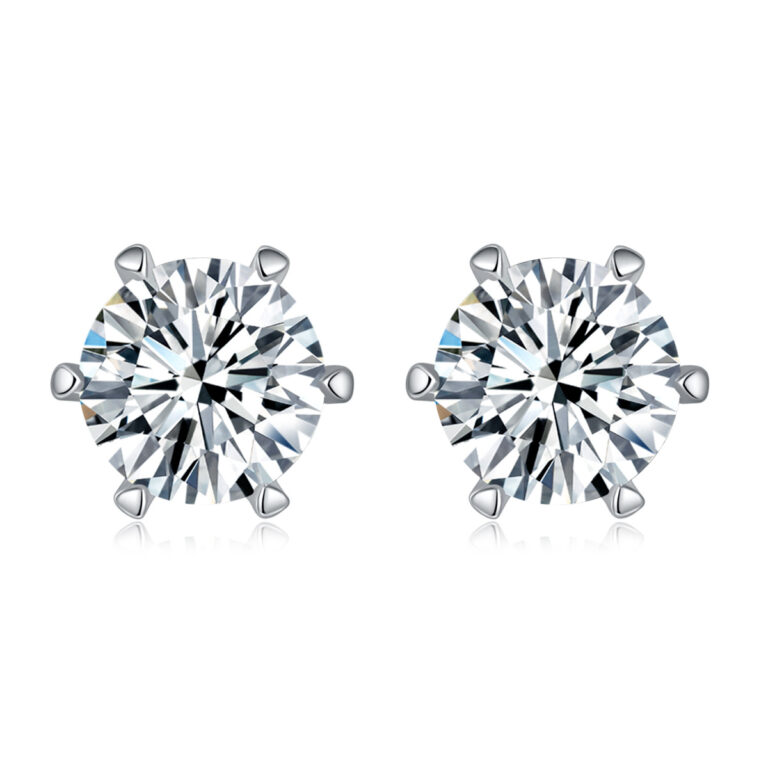

What is a 925 Moissanite Ring?

Definition and Composition

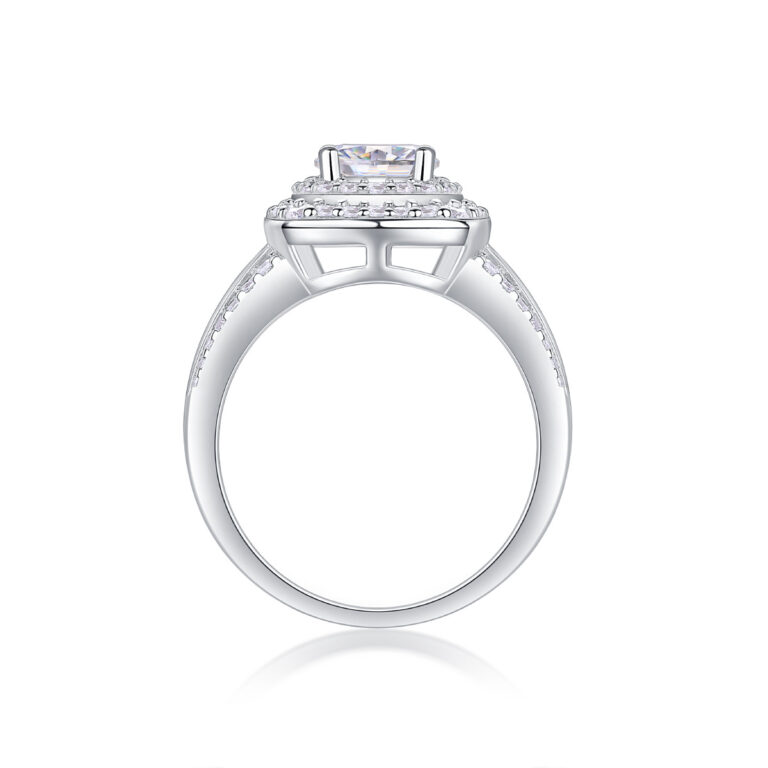
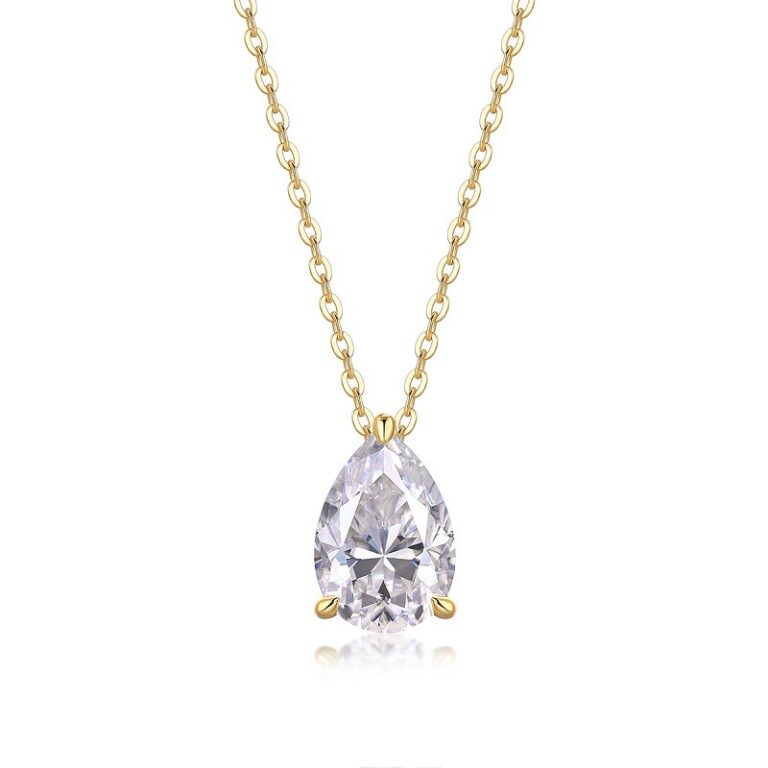
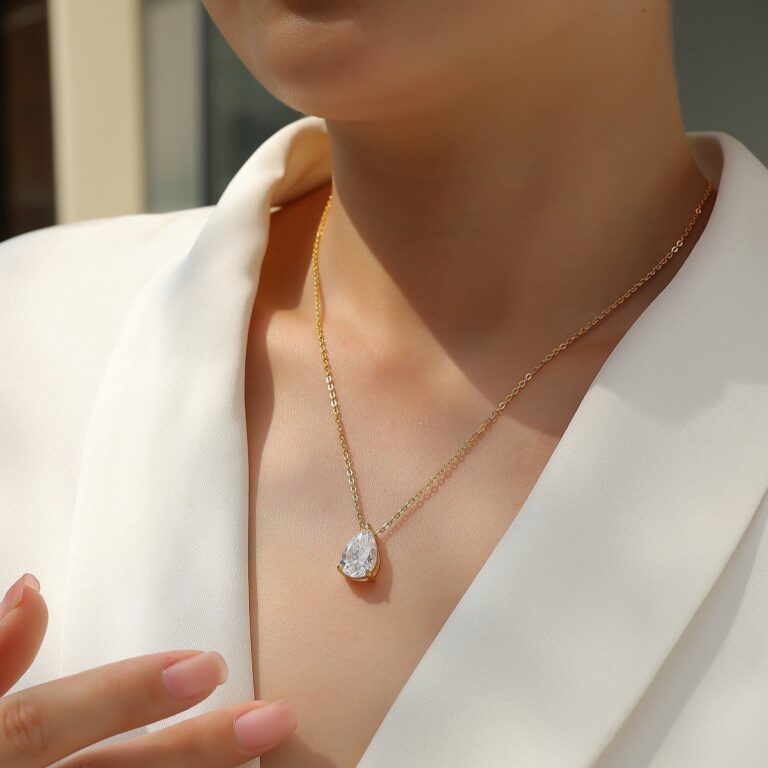
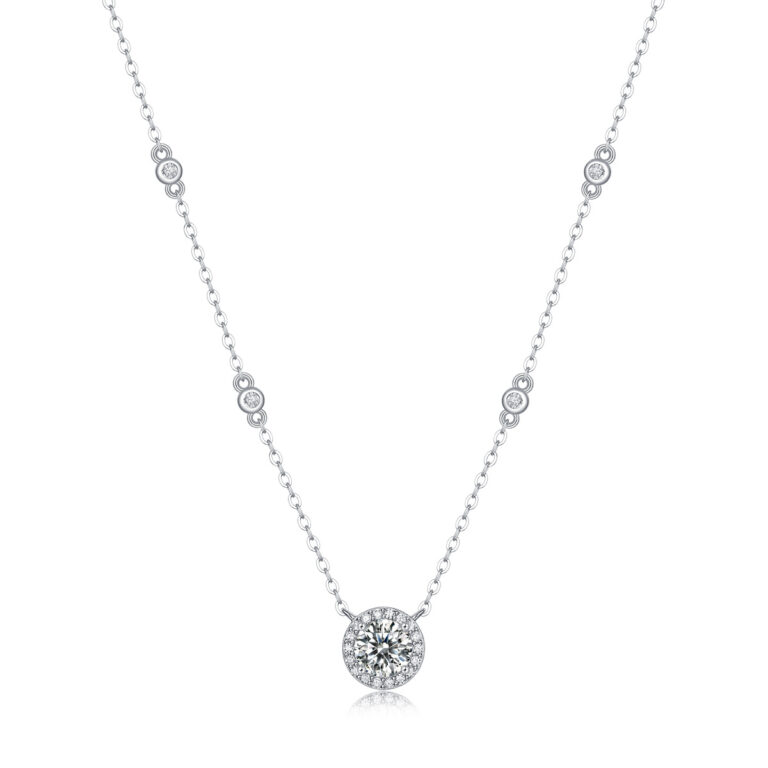
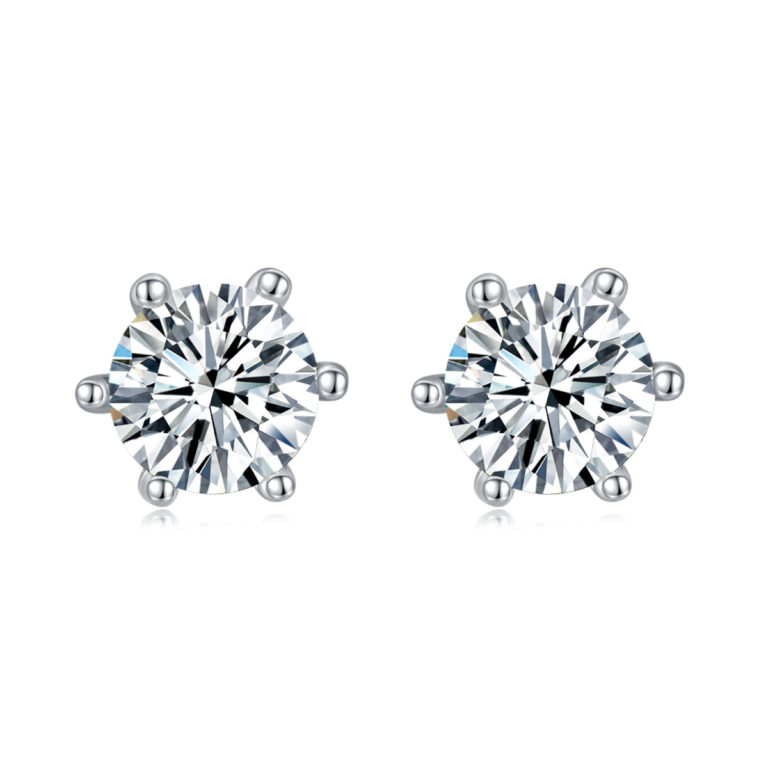
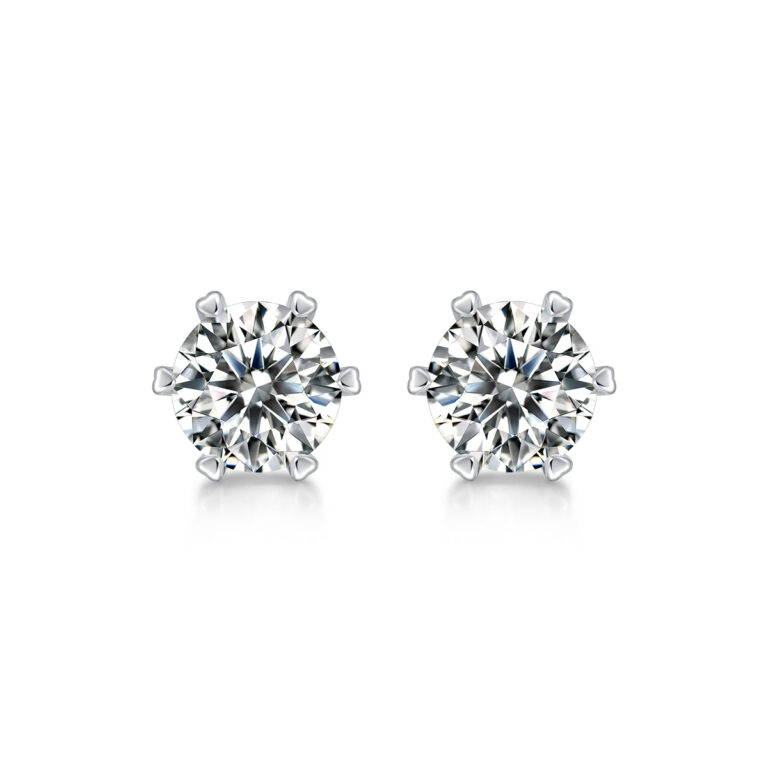
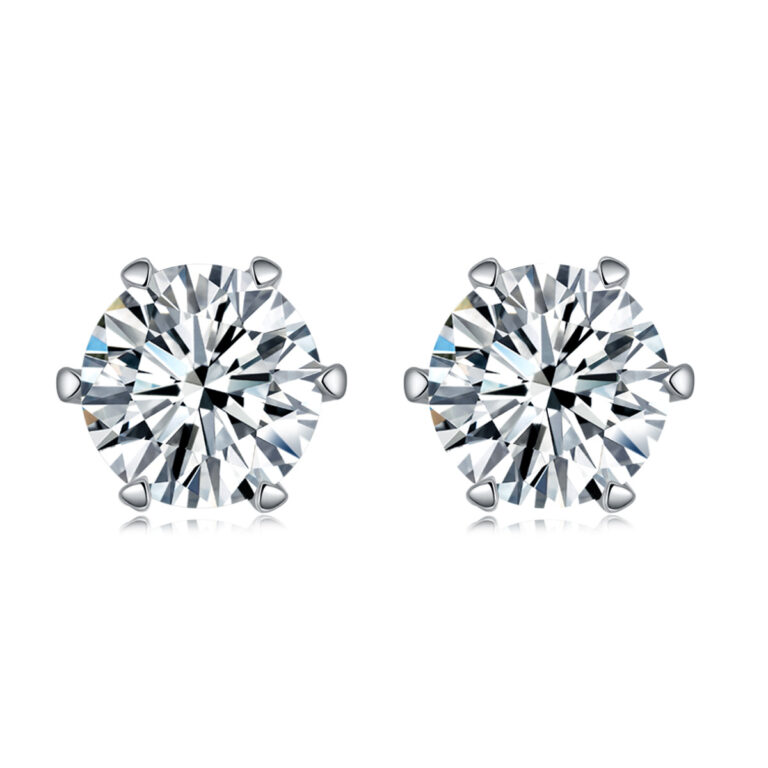
A 925 moissanite ring is a piece of jewelry where the band is made of 925 sterling silver, an alloy that contains 92.5% pure silver and 7.5% other metals like copper for added strength. The ring features a moissanite gemstone, a lab-created stone known for its diamond-like sparkle and affordability. Moissanite, discovered in 1893 by Henri Moissan, is composed of silicon carbide and is often chosen as a sustainable, cost-effective alternative to diamonds.

Why It’s Popular

These rings are appealing for their durability—sterling silver is tough enough for daily wear, and moissanite has a hardness of 9.25 on the Mohs scale, close to diamonds. They’re also eco-friendly, as moissanite is lab-grown, avoiding mining issues, and many sterling silver rings use recycled materials. At about 1/10th the price of diamonds, moissanite offer great value for occasions like engagements or anniversaries.

Unexpected Detail: Fire and Brilliance

Unlike diamonds, moissanite has a fire (dispersion) 2.5 times greater, meaning it shows more colorful flashes of light, which can be a surprising visual difference for buyers expecting a more subdued sparkle.

Survey Note: Detailed Exploration of 925 Moissanite Rings

This section dives deeper into the composition, characteristics, and appeal of 925 moissanite rings, providing a comprehensive overview for e-commerce sellers. The information is drawn from various reliable sources, ensuring a thorough understanding for professional use.

Understanding 925 Sterling Silver

Sterling silver, marked as “925,” is an alloy consisting of 92.5% silver and 7.5% other metals, typically copper, zinc, or nickel. This composition is crucial for jewelry, as pure silver (99.9% silver) is too soft and prone to bending or scratching. The addition of harder metals enhances durability, making 925 silver ideal for rings that endure daily wear. It’s also hypoallergenic when nickel-free, appealing to a broad customer base.

Benefits of 925 Silver:

  1. Craftsmanship: Skilled artisans use precise techniques, ensuring smooth, comfortable wear with fine polishing.
  2. Material Quality: Often electroplated for lasting color, it feels smooth against the skin and maintains its shine over time.
  3. Polishing: 360-degree mirror polishing and cloth wheel techniques create a high-quality, long-lasting finish that resists fading.

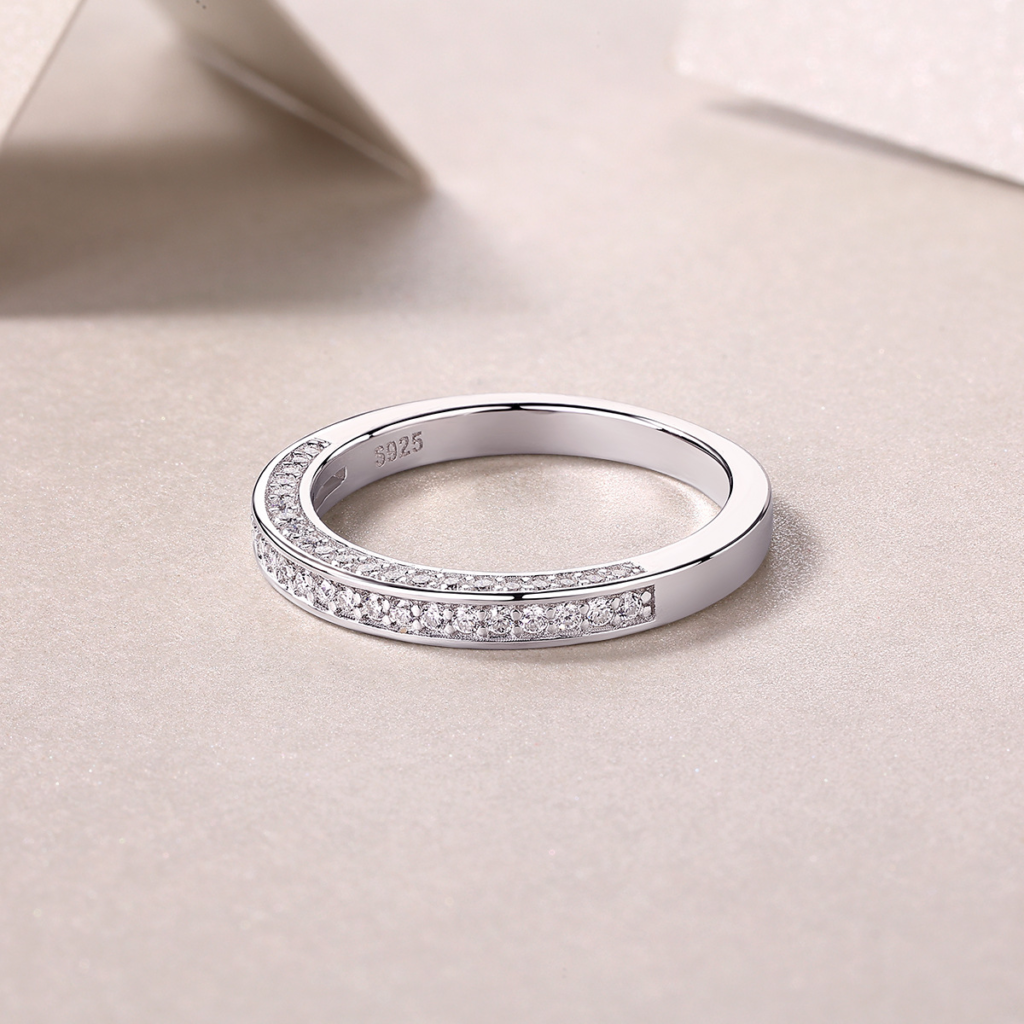
Many sterling silver pieces are made from recycled materials, adding an eco-friendly angle that resonates with environmentally conscious consumers. For identification, look for the “925” hallmark, often found inside the ring band or on the back of pendants, sometimes requiring a jeweler’s loupe for visibility .
image

Exploring Moissanite

Moissanite, first discovered in a meteorite by French chemist Henri Moissan in 1893, is a rare mineral composed of silicon carbide. Due to its scarcity in nature, most moissanite used in jewelry is lab-created, making it an ethical and sustainable choice. It’s often mistaken for a diamond simulant but is a gemstone in its own right, with unique properties:

  • Durability: With a hardness of 9.25 on the Mohs scale, it’s second only to diamonds (10), making it resistant to scratches, chipping, and breaking. This durability ensures it lasts for generations.
  • Brilliance and Fire: Moissanite has a refractive index of 2.65-2.69, offering exceptional brilliance, and its dispersion is 2.5 times greater than diamonds, resulting in vibrant, colorful flashes of light.
  • Cost-Effectiveness: Priced at about 1/10th the cost of diamonds, it provides high value, allowing customers to opt for larger stones without breaking the bank.

Moissanite’s lab-grown nature avoids the environmental and ethical concerns of diamond mining, appealing to modern buyers seeking sustainable options. It’s available in various colors, from colorless (D-E) to faint yellow (M-N), with grading based on color, carat weight, clarity, and cut.

Quality Factors of Moissanite

The quality of moissanite in a 925 moissanite ring is determined by several factors, ensuring customers get the best value:

FactorDescription
Color GradeRanges from D (colorless, highest) to M-N (faint yellow, lower), with D-E being most desirable.
Carat WeightLarger stones (higher ct) increase value, often measured in carats for size comparison.
Clarity GradeFrom FL (flawless) to P1-P3 (included), with higher grades (e.g., VVS1/VVS2) showing fewer inclusions.
Cut GradeRanges from excellent to poor, with excellent cuts maximizing light reflection for brilliance.

These factors help retailers select inventory that meets customer expectations, especially for engagement rings where appearance is key.

Characteristics of a 925 Moissanite Ring

A 925 moissanite ring combines the elegance of sterling silver with the sparkle of moissanite, offering a versatile piece for various occasions. Here are its standout features:

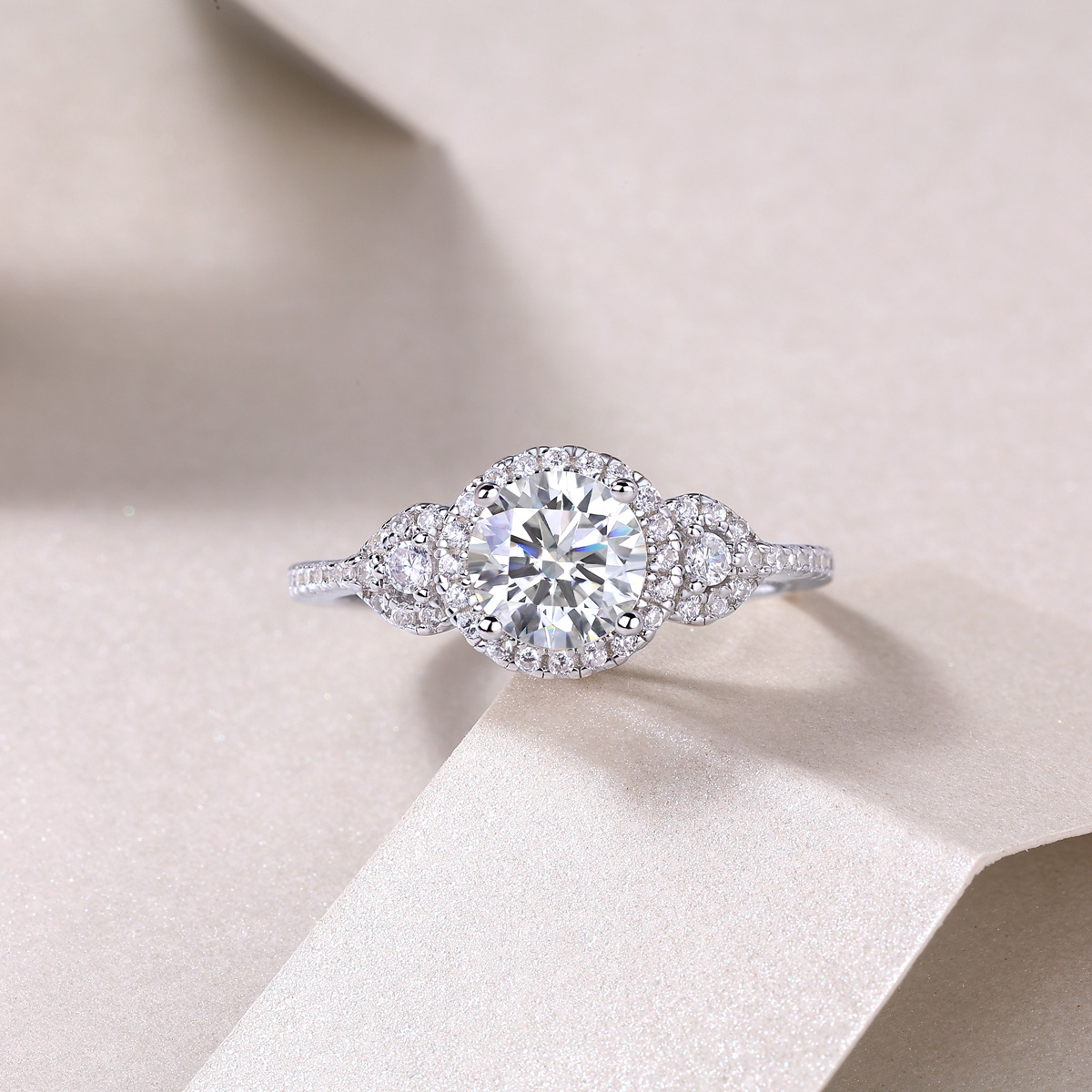
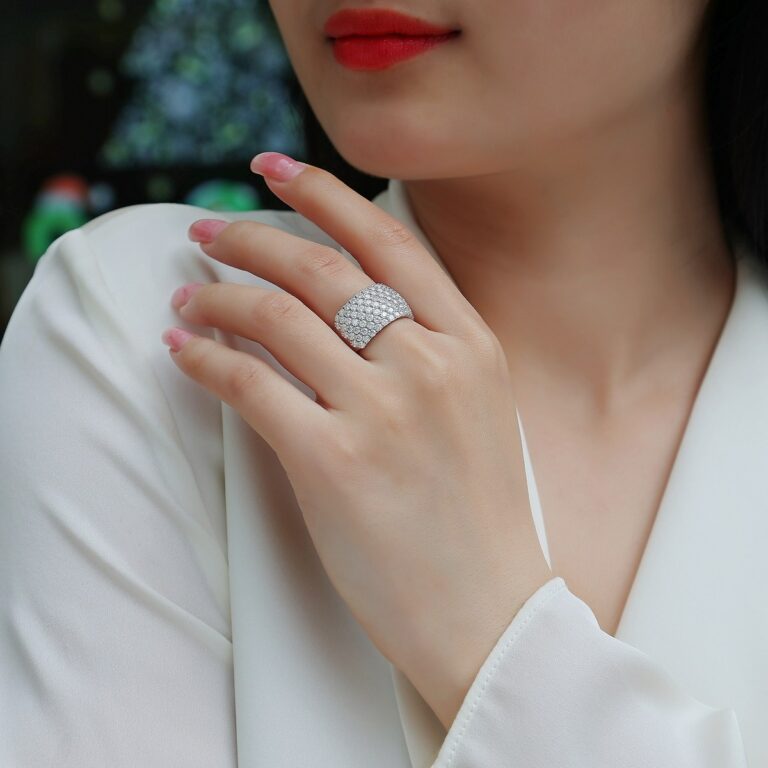
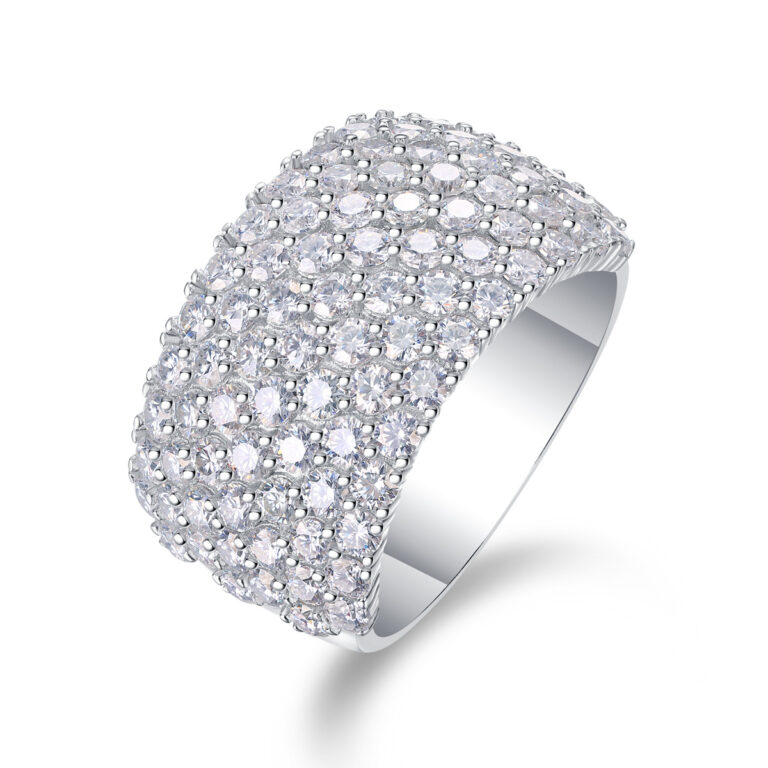
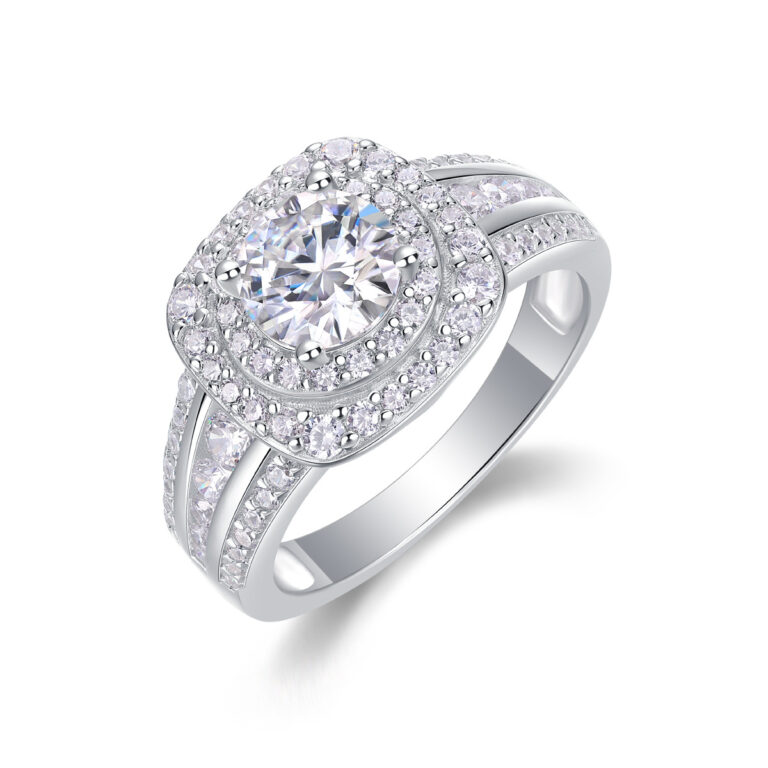
  • Design: The ring often features a beautiful band with a moissanite stone set using techniques like micro-paving, enhancing the gem’s prominence. Designs can include solitaires, halos, or three-stone settings, with the band’s curve fitting comfortably on the finger.
  • Craftsmanship: Fine polishing, including 360-degree mirror techniques, ensures a smooth, comfortable fit against the skin, with a glossy, durable finish.
  • Visual Appeal: When viewed under sunlight, the moissanite’s high fire creates dazzling light reflections, making the ring stand out. The combination of silver’s shine and moissanite’s brilliance creates a light, luxurious vibe.

Why 925 Silver and Moissanite Pair Well

The pairing of 925 silver and moissanite is a match made for modern jewelry, offering several advantages:

  • Aesthetic Harmony: Both materials share a bright, reflective quality, with silver’s metallic sheen complementing moissanite’s rainbow-hued sparkle.
  • Durability Match: Sterling silver’s strength and moissanite’s hardness ensure the ring can handle daily wear, ideal for active lifestyles.
  • Cost-Effectiveness: Together, they provide a high-end look at a fraction of the cost of gold and diamond rings, appealing to budget-conscious buyers.

This combination is perfect for weddings, anniversaries, or everyday wear, offering a balance of elegance and practicality.
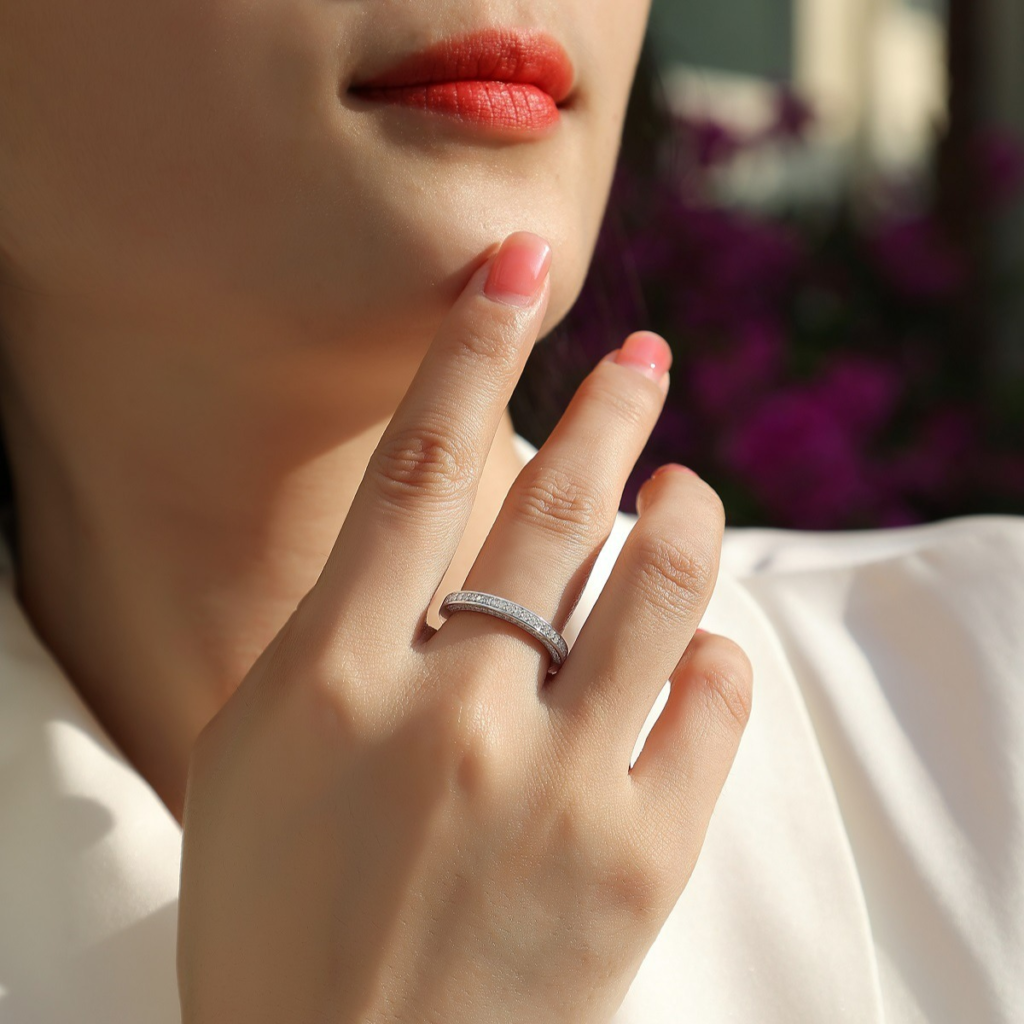
image 1

Care and Maintenance

To ensure longevity, proper care is essential:

  • Sterling Silver: Can tarnish over time due to exposure to air and moisture. Prevent this by storing in a dry place, avoiding harsh chemicals, and using a polishing cloth every few months. Cleaning with foil, baking soda, and hot water, or a liquid jewelry cleaner, helps maintain shine, but avoid sulphur-based cleaners.
  • Moissanite: Highly durable, requiring minimal care. Clean with a soft brush and mild soap to maintain brilliance, and avoid soaking in harsh chemicals.

For professional sellers, recommending care tips can enhance customer satisfaction and repeat business, especially for rings worn daily.

Market Appeal and Target Audience

925 moissanite rings are particularly appealing to merchants, e-commerce sellers, shop owners, retailers, and distributors targeting cost-conscious yet style-savvy customers. They’re ideal for:

  • Engagements and Weddings: Offering a stunning, ethical alternative to diamond rings, perfect for couples planning big life events.
  • Fashion Jewelry: Suitable for daily wear, with versatile designs that fit casual and formal settings.
  • Gift Ideas: Affordable yet meaningful for anniversaries, birthdays, or holidays, appealing to gift buyers.

The eco-friendly aspect, combined with high brilliance, makes them a trending choice among younger generations and environmentally conscious consumers.

Conclusion

A 925 moissanite ring is a blend of affordability, durability, and brilliance, making it a top choice for modern jewelry buyers. Its combination of sterling silver’s strength and moissanite’s sparkle ensures it’s both practical and eye-catching, suitable for various occasions. For professionals in the jewelry trade, stocking these rings can attract a wide customer base, especially those seeking ethical, budget-friendly options.

How to Leverage B2B Dropshipping to Boost Your Business

b2b dropshipping

Introduction
In today’s fast-paced commerce landscape, B2B and B2C models are no longer isolated strategies. While B2C thrives on direct consumer relationships, B2B fuels the supply chain that makes retail possible. Enter B2B Dropshipping—a hybrid approach that bridges manufacturers, sellers, and consumers. By cutting out middlemen and streamlining operations, this model unlocks efficiency, cost savings, and scalability. Let’s explore how adopting B2B Dropshipping can transform your business.

Table of Contents

  1. Understanding B2B and B2C Commerce
  2. What is B2B Dropshipping?
  3. Advantages of B2B Dropshipping
  4. Challenges to Overcome
  5. Steps to Implement B2B Dropshipping

1、Understanding B2B and B2C Commerce

Traditional B2B Commerce

B2B transactions involve bulk purchases between businesses. Key traits include:

  • High Minimum Order Quantities (MOQs): Suppliers often require large orders to justify production costs.
  • Complex Processes: Lengthy negotiations, contracts, and quality checks slow down transactions.
  • Quality Control: Buyers inspect goods before accepting shipments, ensuring standards are met.

B2C Commerce Dynamics

B2C focuses on selling directly to consumers:

  • Diverse Customer Needs: Success hinges on identifying niche markets and fulfilling specific demands.
  • Low-Ticket Items: Everyday products dominate, requiring high volume to drive profits.
  • Quick Decisions: Shoppers prioritize convenience over lengthy comparisons.

2、What is B2B Dropshipping?

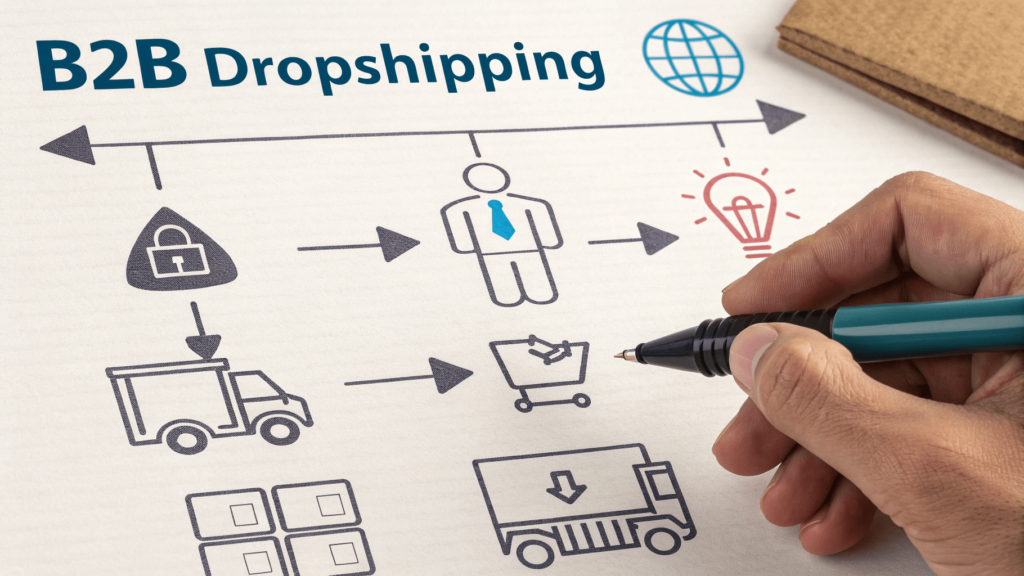
B2B Dropshipping merges wholesale efficiency with retail agility. Instead of stocking inventory, sellers list products from suppliers. When a customer orders, the supplier ships directly to them. This eliminates warehousing costs and lets businesses focus on marketing and customer relationships.

3、Advantages of B2B Dropshipping

1. Expanded Product Range

Without inventory limits, you can offer thousands of SKUs. For example, a kitchenware retailer could add specialty tools overnight by partnering with niche manufacturers.

2. Lower Operational Costs

Save on storage, staff, and rent. One study showed businesses reduce overhead by 30% using dropshipping models.

3. Faster Delivery Times

Work with suppliers near your customers. A U.S.-based seller using regional warehouses can deliver in 3 days vs. 2 weeks.

4. Customer-Centric Focus

Free from logistics, invest in understanding buyer behavior. Use analytics to spot trends like rising demand for eco-friendly packaging.

4、Challenges to Overcome

1. Quality Assurance Risks

Since all product production and quality inspections rely on B2B suppliers, control over quality is weaker. Especially when the number of product categories increases, the number of cooperating manufacturers grows exponentially, making it increasingly difficult to ensure quality control for individual product categories. Therefore, for B2B Dropshipping, it is crucial to select reliable manufacturers in advance to minimize concerns about product quality control

2. Challenges in product information managemen

B2B Dropshipping allows sellers to sell a wider variety of products simultaneously, which means managing more product information, especially inventory details, becomes crucial in business operations. When dealing with a large volume of product information, such as over 1,000 product categories, electronic solutions can be employed. For instance, using specialized product information management systems or product information synchronization APIs can help manage product data more effectively through advanced technological means.

3. Customer Service Gaps

Since products are shipped directly from manufacturers to customers, when customers claim that products do not match their needs, especially when customers provide detailed and professional descriptions, sellers who are not manufacturers and handle a wide range of products may not have in-depth knowledge of individual products. This can make it difficult for them to understand the customer’s genuine concerns and provide comprehensive after-sales service, leading to a higher likelihood of customer loss.

5、Steps to Implement B2B Dropshipping

  1. Identify Reliable Suppliers: Vet manufacturers through industry networks or trade shows.
  2. Integrate Systems: Use tools to automate order and inventory updates.
  3. Optimize Product Listings: Highlight unique selling points (e.g., “Ships within 48 hours”).
  4. Test and Refine: Run pilot programs with top-selling categories before scaling.

6、Conclusion

B2B Dropshipping isn’t just a trend—it’s a strategic shift. By blending wholesale reliability with retail flexibility, businesses can slash costs, accelerate growth, and stay ahead in competitive markets. Start small, choose partners wisely, and watch scalability become your new normal.

How to Pick a Turnkey Dropship Website for Sale

turnkey dropship website

Introduction

The e-commerce industry is booming faster than ever. With millions shopping online daily, many entrepreneurs want to start their own businesses but struggle to find reliable suppliers or build a functional online store. For dropshipping—a low-risk business model—choosing the right turnkey dropship website and supplier can make or break your success. This article will walk you through how to pick a turnkey dropshipping platform and partner with suppliers that offer winning products, ensuring your store stands out in a competitive market.

Table of Contents

Key Factors to Evaluate a Dropshipping Supplier

1. Winning Products

Your store’s success hinges on selling products customers actually want. A supplier offering winning products—trendy, high-demand items—gives you an edge. Look for suppliers that:

Update their catalog frequently with fresh designs.

Provide data on best-selling items.

Offer niche products with less competition.

If you’re selling jewelry, a supplier offering fashionable customizable necklaces or smartwatch accessories (popular in 2024) has an advantage over one that only sells traditional earrings.

2. Detailed Product Information

Rich product descriptions, high-quality images, and specs (size, material, usage) are non-negotiable. Poorly described items lead to confused customers and low conversion rates. Ensure your supplier provides:

customer-friendly titles and descriptions.

Multiple images (including lifestyle shots).

Videos or 360-degree views (if possible).

Pro Tip: Use tools like Photoshop to enhance product visuals if your supplier’s content is lacking.

3. Inventory Availability

A supplier with warehouses in your target region ensures faster shipping. For example, if most customers are in the U.S., partnering with a U.S.-based supplier slashes delivery times. Benefits include:

Lower return rates (customers get items quickly).

Higher satisfaction (no one likes waiting weeks).

Better conversion rates (fast shipping is a selling point).

4. Responsive Customer Service

Dropshipping means your supplier handles order fulfillment. If they’re slow to respond to returns or shipping issues, your reputation takes a hit. Test their responsiveness by:

Sending pre-sales questions.

Asking about their return policy.

Checking reviews on search engine like Google.

5. Cost Efficiency & Quality

Balancing affordability and quality is tricky but vital. A $5 phone case might seem profitable, but if it cracks easily, you’ll face returns and negative reviews. Prioritize suppliers who:

Offer competitive wholesale prices.

Provide samples for quality checks.

Have transparent pricing (no hidden fees).

Essential Features of a Turnkey Dropship Website

1. Homepage

Your homepage is your digital storefront. It should:

Clearly state your brand’s mission.

Highlight promotions or bestsellers.

Include trust badges (e.g., “Secure Checkout”).

2. Product Categories

Organize products into intuitive categories (e.g., “Necklace” or “Earring”). Use filters (price, color, size) to help users narrow choices quickly.

3. Product Pages

The product details page is crucial. Users rely on it to find complete product specifications, including price, dimensions, weight, and other vital parameters. Engaging product content is essential for driving sales conversions. A well-written product description that addresses customer concerns significantly improves conversion rates. Enhance the product page with compelling images, descriptive text, and ideally, a product video. Comprehensive product information builds customer confidence and replicates the informed buying experience of a traditional store.

4. Shopping Cart

A smooth cart experience reduces abandonment. Features to look for:

Edit options (quantity, color).

Coupon code fields.

Estimated delivery dates.

5. Payment Gateway

Support multiple payment methods (Credit/Debit, PayPal, Apple Pay). Localize options—for instance, offer Alipay for Chinese customers or Klarna for European shoppers.

6. Order Management

It is necessary to receive and manage user order information. Once the user’s order payment is confirmed, all relevant details should be clarified, including the goods, quantity, and specifications ordered. Subsequently, goods should be procured from suppliers, and the order process should be completed. Order management requires the transition of order status, ideally with synchronized logistics information. Additionally, any other situations that arise during the order service process, such as handling returns or exchanges, should also be managed within the order management module.

7. Customer Support

Offer live chat, email, and a FAQ section. Quick responses build trust and reduce cart abandonment.

Turnkey Dropship Website Options

1. All-in-One Platforms

The first option is to choose a large, mature platform that provides all the basic services and charges a software service fee, with some platforms also charging per order. The advantage of selecting a turnkey dropship website on a large platform is that it is hassle-free, but the disadvantage is that it lacks flexibility, offering limited space for personal optimization.

2. Open-Source Solutions

WordPress (with WooCommerce) or Magento offers full control over design and functionality:

Pros: No transaction fees, scalable for growth.

Cons: Requires tech skills, longer setup time.

Final Thoughts

Picking the right turnkey dropship website and supplier isn’t just about convenience—it’s about aligning with partners who help you scale. Focus on suppliers with winning products and reliable service, and choose a platform that balances ease-of-use with flexibility. Whether you opt for All-in-One Platforms simplicity or WordPress’s customization, your goal is the same: a store that converts visitors into loyal customers.

Ready to start? Test suppliers with small orders, explore platforms before cooperating.

Determining Dropshipping Price: A Cost-Based Approach

Setting the right price for your dropshipping products isn’t just about covering costs—it’s about balancing competitiveness, customer loyalty, and profitability. Charge too much, and customers vanish. Charge too little, and your business crumbles. In this article, we’ll break down how to price your products (especially jewelry) using a cost-based strategy that keeps your margins healthy and your customers happy. Let’s dive in!

Table of Contents

Understanding Your Business Stage

Are you just starting out or already established? Your pricing strategy depends heavily on this. New businesses need aggressive pricing to attract first-time buyers. For example, if you’re selling jewelry through dropshipping, offering a 15% discount on initial orders can hook customers. Once they trust your brand, upselling premium pieces becomes easier.

Established sellers, however, can raise prices slightly—but don’t get greedy. Regular promotions (like “Flash Sales” for seasonal jewelry) keep loyal customers engaged. A stable business with 10,000 monthly orders? A 5% price bump won’t scare buyers, especially if you bundle free shipping or gifts.

Analyzing Customer Behavior

Price sensitivity varies. If your audience shops for budget-friendly fashion jewelry, keep margins slim (e.g., $5 markup on a $15 necklace). But luxury buyers expect quality and service. A $200 silver bracelet can justify a 50% markup if you offer personalized engraving or 24/7 VIP support.

Pro tip: Use surveys or analytics tools to track buying patterns. if that exceed 10% of customers abandon carts at checkout, Your prices might be too high—or your shipping costs are killing the deal.

Competitor Price Monitoring

In markets like jewelry distribution, competitors often set the tone. Found a nearly identical pearl necklace priced at $30 elsewhere? Match it—or go lower. If your supplier charges $18 per unit, a $28 price tag (with free shipping) still leaves a 35% gross margin.

Can’t compete on price? Compete on value. Offer free returns, extended warranties, or eco-friendly packaging. For example, Buy a $50 ring, get a recycled velvet pouch costs you $2 but adds perceived value.

Calculating Cost Components

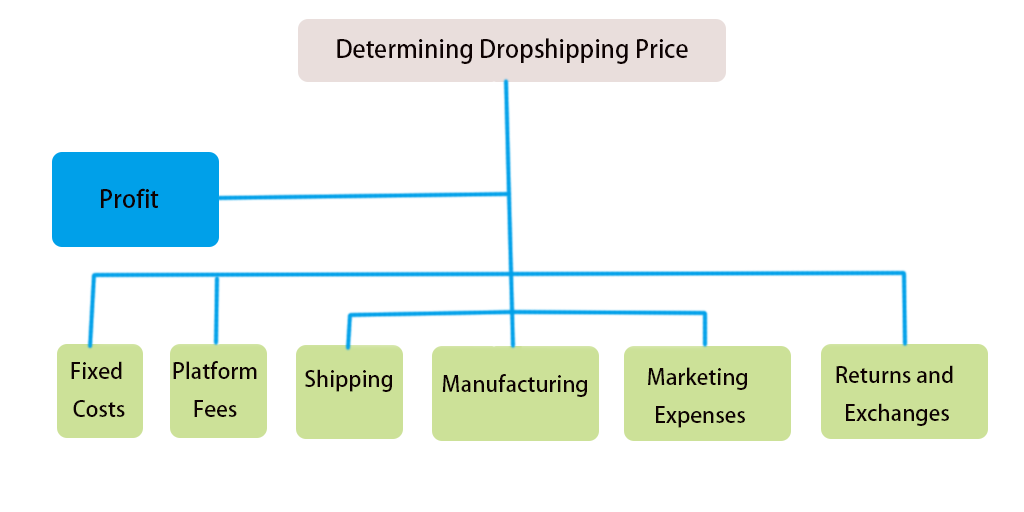
price1

Fixed Costs

Divide annual fixed expenses (rent, salaries) by projected yearly sales. If your team costs $60,000/year and you sell 12,000 jewelry pieces, each item carries a $5 fixed cost. Scaling to 24,000 units? That drops to $2.50—a key reason volume matters.

Variable Costs

  • Platform Fees: if e-commerce platform charges 1% + $0.30 per transaction. A $100 sale? Deduct $1.30.
  • Shipping: This typically has a default value, but costs vary if the user selects a different shipping option.
  • Manufacturing: Supplier quotes $20 for a rose gold pendant? That’s your base.
  • Marketing Expenses: These are the costs sellers incur to acquire customers. Different sellers use different methods, leading to substantial differences in these expenses. Some may spend very little to acquire a customer, while others spend significantly more. Nonetheless, one constant is that the higher the rate of repeat purchases, the better marketing costs are distributed. Thus, delivering excellent customer service and fostering more repeat business should be a top priority for sellers.
  • Potential Costs from Returns and Exchanges: User-initiated returns and exchanges can add expenses to the business. Sellers can work together with suppliers to reduce the rate of returns and exchanges, which in turn will lower these loss costs.

Pricing Strategies for Low-Cost vs. High-Cost Products

Low-Cost Items (e.g., $10 Stud Earrings)

These products have lower costs, so their prices cannot be set too high. For instance, you cannot sell a product that costs $1 for $100. For low-cost products, it’s best to design a profit margin that consumers can accept and price them at the break-even point. The goal is to make them widely popular among consumers, leading to a surge in sales and substantial profits. This pricing strategy is suitable for products with novel designs or innovative features, as they are more likely to appeal to consumers.

Apply a fixed markup. Cost: $10. Sell at $12 ($2 markup). Why? High volume compensates for slim per-unit profits. Bonus: Bundle low-cost items (“3 pairs for $33”) to boost order value.

High-Cost Items (e.g., $200 moissanite necklace)

These products have higher costs due to their higher unit prices, resulting in generally lower sales volumes. In this case, you can set a slightly higher profit margin to ensure the sustainability of the business model. This pricing strategy is suitable for high-quality products with extensive service support, as customers are more willing to pay extra for superior products and services.

Use percentage-based pricing. A 10% markup turns $200 into $220. Luxury buyers accept this if you highlight craftsmanship or ethical sourcing. Limited editions? Push to 20%.

Practical Pricing Hacks

Avoid Round Numbers

Consider using prices that are slightly below whole numbers. For instance, if you’re aiming for a retail price of around $1000, try using $999 or $998. Although the difference is small, it creates a perception of being very affordable. In practice, this pricing approach has been shown to effectively encourage consumers to make purchases. It’s especially effective for products that are similar to those of competitors. Even minor price differences can significantly enhance the perceived savings for consumers when products are similar.

Strategic Discounts

“This pricing strategy can be applied to all products. For instance, if a product costs $100 and the seller aims for a $10 profit, the selling price can be set at $120. By offering a $10 discount coupon, the user ends up paying only $110 after applying the coupon. This makes the user feel like they’ve received a substantial discount, increasing their willingness to make a purchase. This approach is especially effective for unique products that competitors don’t offer, as customers can’t compare prices in real-time. In such cases, providing discount coupons becomes even more effective.

Final thought: Pricing isn’t static. Revisit every quarter—especially in fast-moving niches like jewelry. Track metrics, tweak strategies, and always keep an eye on your bottom line.

How to Finish a Dropship Order

Introduction

Starting a dropshipping business? You’ve mastered the basics—setting up your store, selecting products, and attracting customers. But what happens after a customer places an order? Many new sellers struggle with executing a smooth dropship order process, which directly impacts customer satisfaction and long-term success. This article breaks down the entire journey of a dropship order, from pre-sale preparations to post-delivery follow-ups. Using LekaniJewelry as a sample supplier platform, we’ll explore critical steps like product selection, logistics coordination, and handling returns. Let’s dive in!

Table of Contents

1. Preparing for Your First Dropship Order

Before accepting orders, ensure your ecommerce foundation is solid:

Build Your Online Store

Choose a platform or a marketplace. Customize it to reflect your brand, and ensure it’s mobile-friendly.

Select Reliable Products

Partner with suppliers like LekaniJewelry that offer quality items, fast shipping, and transparent pricing. Use tools likeTiktok Trends or competitor analysis to identify winning products.

Set Clear Policies

Define shipping timelines, return rules, and contact methods. Transparency builds trust and reduces post-purchase conflicts.

2. Step 1: Collecting Accurate Customer Information

A dropship order hinges on precise logistics data. Double-check these details during checkout:

  • Full name
  • Shipping address (including ZIP code)
  • Contact number
  • Email (for tracking updates)

Common Pitfalls: Typos, incomplete addresses, or outdated phone numbers can delay deliveries. Use address validation tools to minimize errors.

3. Step 2: Placing the Order with Your Supplier (e.g., LekaniJewelry)

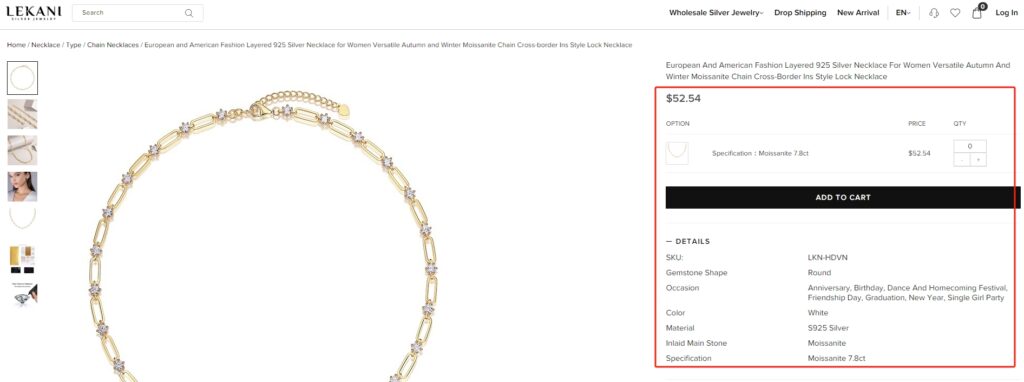
how to finish a dropship order picture1

Once a customer pays, forward the order to your supplier. For LekaniJewelry, ensure you provide:

Key Information Why It Matters 
Shipping MethodAvoid mismatches (e.g., sending a necklace instead of earrings).
Product SpecificationsSize, color, or material must align with the customer’s selection.
QuantityConfirm bulk orders qualify for wholesale discounts (if applicable).
Shipping Method Choose standard or expedited shipping based on customer preferences.

Pro Tip: Regularly check supplier pricing. If supplier raises costs, adjust your store’s product prices to avoid losses.

4. Step 3: Monitoring Logistics and Delivery

After supplier processes the order: 

They’ll pack the item and ship it from the nearest warehouse.

You’ll receive a tracking number to share with the customer.

Your Role:

Track the package daily.

Flag delays (e.g., customs hold, incorrect address).

Notify the customer proactively if issues arise.

5. Step 4: Post-Delivery Customer Support

Follow up after delivery:

Send a thank-you email requesting a review.

Answer post-purchase queries (e.g., “How do I clean this jewelry?”).

Encourage referrals with discounts or loyalty points.

Goal: Turn one-time buyers into repeat customers.

6. Handling Returns and Refunds

Even with reliable suppliers like LekaniJewelry, returns happen. Act swiftly:

Scenario 1: Supplier Error

If LekaniJewelry sends the wrong item, coordinate a replacement at their cost.

Scenario 2: Customer Requests a Return

Provide a return label (if supplier-approved) and process refunds within 3–5 business days.

7. Optimizing for Repeat Sales

Use data to improve:

Analyze which products (e.g., LekaniJewelry’s bestsellers) drive the most dropship orders.

A/B test product descriptions and images.

Offer bundles or limited-time deals to boost order value.

Final Thoughts

Mastering dropship order fulfillment requires attention to detail—from vetting suppliers like LekaniJewelry to perfecting post-purchase communication. Streamline each step, prioritize customer experience, and watch your ecommerce business thrive.

Ready to optimize your dropshipping workflow? Start by auditing your supplier partnerships today!

2025 Trending Products for Dropshipping: Jewelry

Introduction

The jewelry industry is undergoing a transformative shift in 2025, driven by evolving consumer preferences and the rise of dropshipping as a low-risk, high-reward business model. Traditional jewelry sales, which relied on complex supply chains and high upfront inventory costs, are being replaced by agile, trend-driven strategies. For e-commerce sellers, dropshipping jewelry offers a unique opportunity to tap into a U.S. market , where trends like moissanite and 925 silver.

This article explores how dropshipping reshapes jewelry retail, highlights 2025’s top-selling products, and provides actionable strategies to maximize profits. Whether you’re a Shopify merchant or an Amazon seller, understanding these trends will help you stay competitive in a fast-paced industry.

Table of Contents

1. Traditional Jewelry Sales: Challenges and Limitations

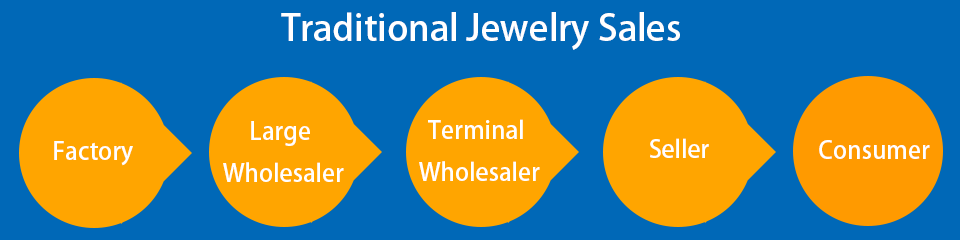
Historically, jewelry sales followed a rigid supply chain:

Factory > Large Wholesaler > Terminal Wholesaler > Seller > Consumer

Traditional Jewelry Sales

This model required retailers to:

Stock large inventories, increasing financial risk.

Delivery times are too long, and it takes too long for the product to reach the consumer.

Limit customization options due to bulk-order requirements.

Custom jewelry added another layer of complexity. For example, bespoke designs demanded direct collaboration between consumers and designers, resulting in long lead times and higher costs. While personalized pieces catered to niche markets, they were impractical for mass-market sellers.

2. What Is Dropshipping? A Modern Solution for Retailers

Dropshipping eliminates inventory management by connecting sellers with suppliers who handle production, storage, and shipping. Here’s how it works:

Product Selection: Curate trending jewelry from platforms like lekanijewelry.

Store Integration: List items on your e-commerce site with markup pricing.

Order Fulfillment: Suppliers ship directly to customers after purchase.

Advantages:

Low Startup Costs: No need to invest in inventory.

Flexibility: Test all products provided by suppliers without financial risk.

Global Reach: Partner with suppliers in the china for faster shipping.

3. Why Jewelry Thrives in Dropshipping

Jewelry is ideal for dropshipping due to:

High Perceived Value: Items like gold  braceles or moissanite necklaces command premium prices.

Rapid Trend Cycles:  trends and styles change every month.

Customization: Platforms like lekanijewelry allow customer design.

4. Key Strategies for Success in Jewelry Dropshipping

A. Product Selection

It’s essential to select products that are popular with consumers. If you’re a jewelry seller, you must have a certain level of understanding of jewelry trends. While you don’t need to be an expert, having a basic understanding of the industry can help you choose best-selling items. If a product is rapidly gaining popularity and you haven’t recognized the trend yet, you’ll miss out on a big sales opportunity.

B. Marketing Mastery

The key for sellers is to increase visibility of their product descriptions, whether through advertising or content creation on platforms like Facebook. The core goal is to ensure more potential customers are aware of the product information. Only when more people see the product will those who need it complete the subsequent purchase process. This is a funnel-shaped process; strong purchase numbers at the end depend on having a sufficient customer base at each stage of the funnel. The conversion rate in that process is highly dependent on the quality of customer service the seller provides. Poor customer service will result in a lower conversion rate.

C. Quality Control

Choosing reliable suppliers is crucial. During the procurement process, maintain records of the quality of already-cooperating suppliers. If you notice a decline in a supplier’s quality, promptly reduce or even cease cooperation with them. Before selling new products, if possible, purchase samples to verify their quality. Ensure the product meets expectations before selling it to consumers through dropshipping. Additionally, paying attention to customer feedback is especially important. If more than one customer reports a quality issue with a particular product, sellers must take it very seriously; otherwise, you risk losing your customers.

Based on sales data and trend analysis, these items dominate 2025:

image

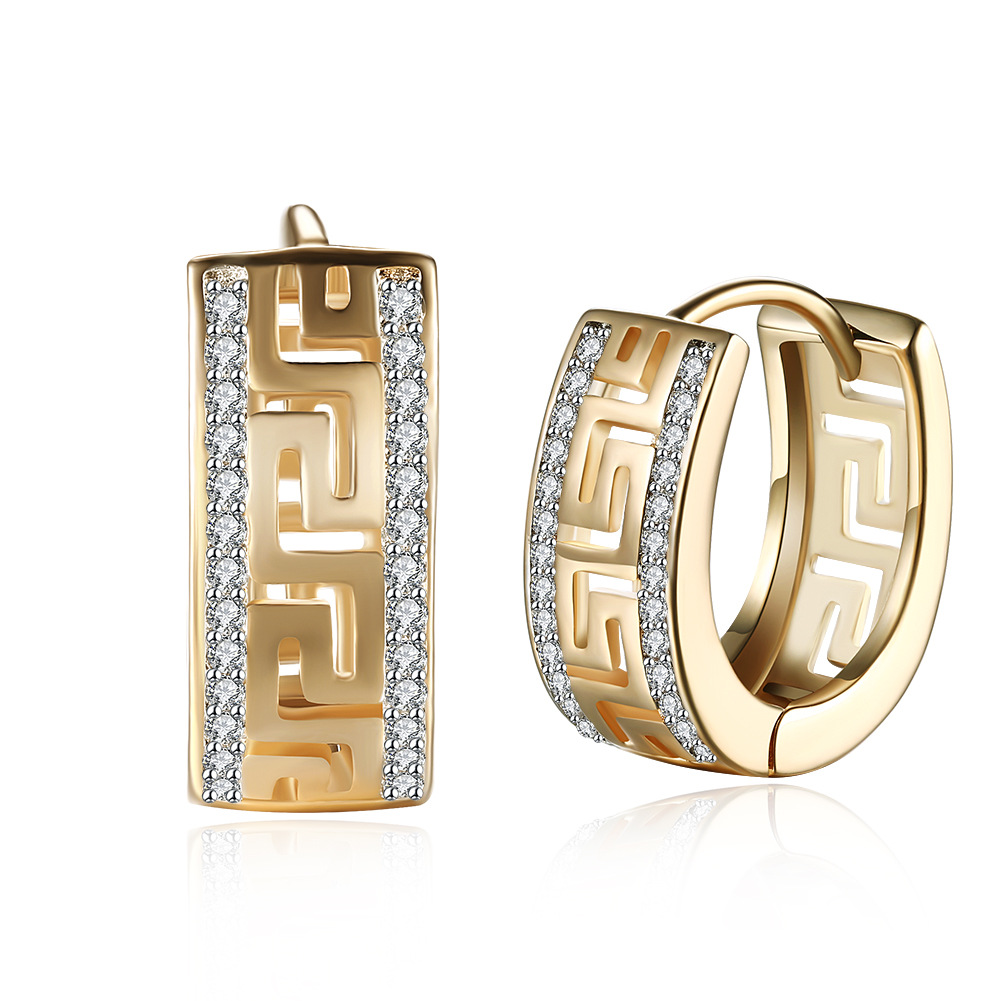
A. Sanskrit Diamond-Studded Ear Cuff Earrings for Women – Unique Stud Earrings
Material: Copper
Processing Technology: Electroplating
Shape: Geometric
Popular Elements: Letters/Numbers
Style: Fashion OL (Office Lady) / Business Casual
Style Category: Fashion Commuting (Suitable for commuting in style)
Applicable Audience: Women
Popular Element Category: Natural

image 1

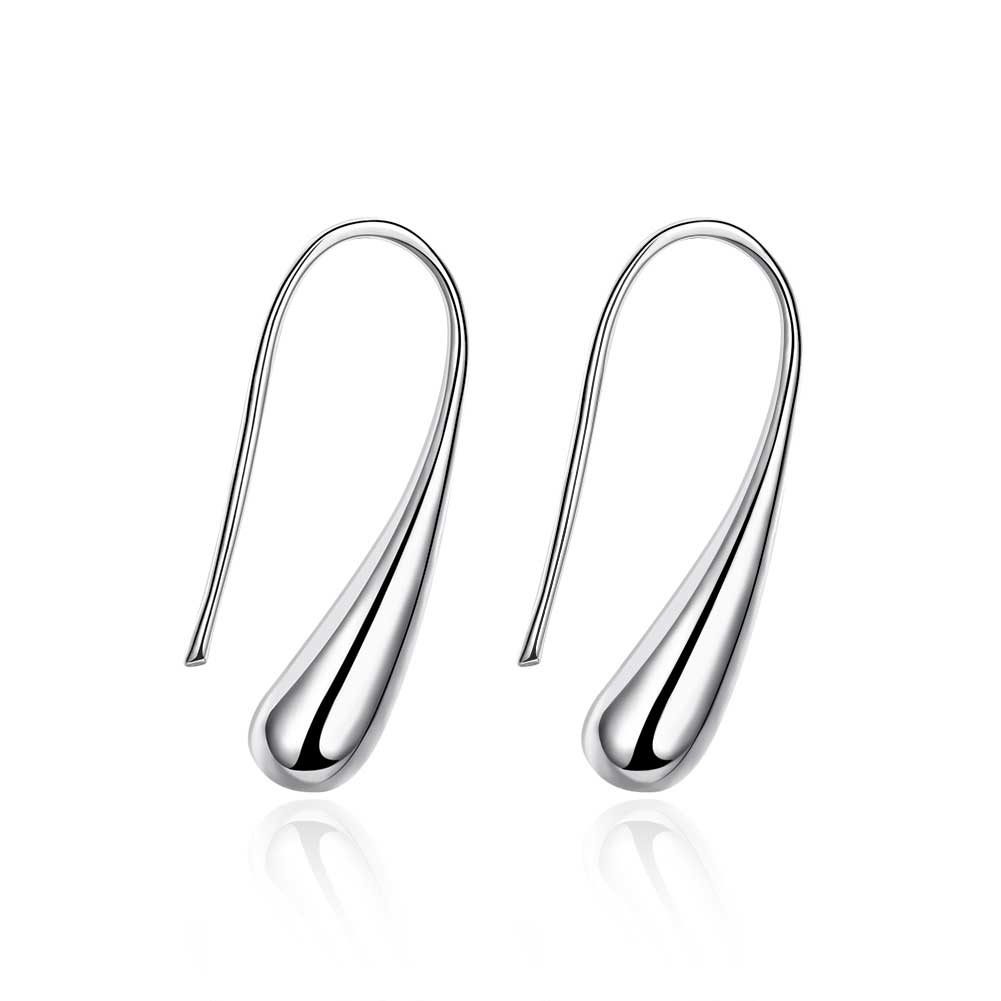
B. Minimalist Water Drop Ear Hooks
Material: Silver-Plated Copper
Processing Technology: Electroplating
Shape: Teardrop (Water Drop)
Popular Elements: Water Drop
Style: Minimalist (Simple)
Style Category: Fashion Commuting (Fashionable for Commuting)
Applicable Audience: Women
Popular Element Category: Natural

image 2

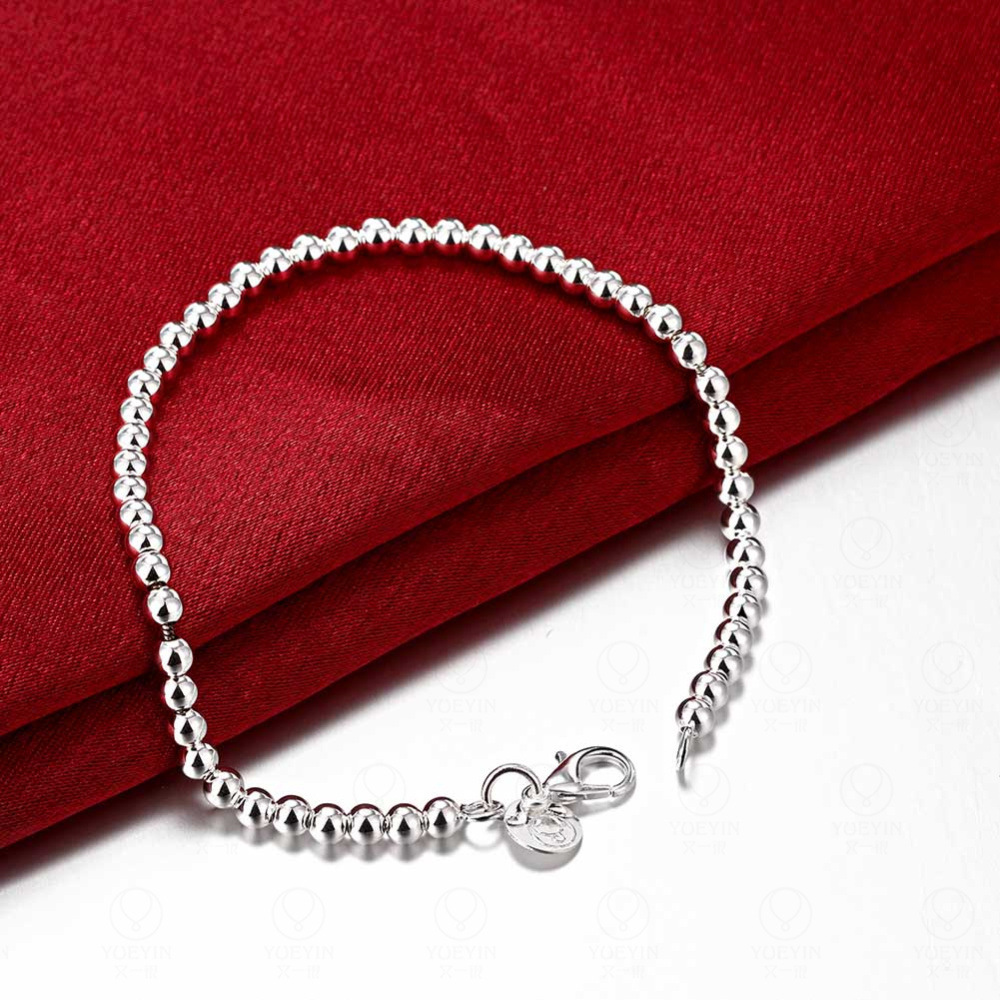
C. Fashionable Minimalist Seed Bead Bracelet
Material: Silver-Plated Copper
Processing Technology: Electroplating
Style: Unisex (Suitable for both men and women)
Shape: Geometric
Popular Elements: Starry Sky (Referring to a pattern resembling a starry night)
Style: Fashion OL (Office Lady)
Style Category: Fashion Commuting
Applicable Audience: Women
Popular Element Category: Natural

These three products were some of the best-selling jewelry styles of 2025, and they were well-liked by many consumers. Sellers can refer to the details of these products to help with their jewelry product selection for 2025.

6. Lekanijewelry: Your Partner in Dropshipping Excellence

Founded in 2005, the company primarily provides design, sampling, production, and services to domestic and international jewelry retail brands. Over the past 10 years, it has earned customer recognition through its excellent reputation, high-quality products, and superior service, establishing a very good reputation in the industry. Lekanijewelry’s product range includes nearly ten thousand fashionable jewelry items, such as rings, earrings, bracelets, bangles, jewelry sets, necklaces, pendants, anklets, headwear, and hair accessories.
Lekanijewelry has its own jewelry production factory, offering high-quality products at lower prices. The extensive product selection allows sellers to easily choose best-selling items.
Lekanijewelry has a well-established dropshipping process to better help sellers achieve their business goals. If you’re interested in starting a jewelry dropshipping business, click the button on the right side of the page to contact Lekanijewelry via WhatsApp.

How Should Jewelry Sellers Deal with the New Tariff?

2025 new tariff

Introduction

In February 2025, the U.S. government, under President Trump, implemented a new tariff policy that imposes an additional 10% duty on all goods imported from China. This policy also eliminates the 800 deminimisthreshold,which previously allowed goods value dator below 800 to enter the U.S. duty-free. For jewelry sellers, especially those involved in e-commerce and dropshipping, this change presents significant challenges. This article will explore the implications of the new tariff policy and provide actionable strategies for jewelry sellers to adapt and thrive in this new environment.

Table of Contents

Understanding the New Tariff Policy

The new tariff policy, specifically under HTSUS code 9903.01.20, imposes a 10% duty on a wide range of goods imported from China. This includes popular jewelry items such as moissanite and 925 silver. The policy also eliminates the T86 de minimis clearance, which was previously used for low-value shipments. Instead, shipments must now be cleared under T11 (informal entry) for goods valued at $2,500 or less, or T01 (formal entry) for higher-value goods.

Key Changes:

T86 De Minimis Clearance: No longer applicable for shipments arriving after February 4, 2025.

T11 Informal Entry: Applies to goods valued at $2,500 or less, with costs including MPF, duty, and handling fees.

T01 Formal Entry: For goods valued over $2,500, involving formal customs declaration, duty, and bond.

Impact on Jewelry Sellers

The elimination of the $800 de minimis threshold is particularly impactful for jewelry sellers who rely on low-cost, high-volume sales. Platforms that previously benefited from the tax-free advantage of small packages will now face increased logistics costs, potentially reducing profit margins by 20-30%. This could lead to a shift in consumer behavior, with buyers potentially moving to other platforms or seeking alternative products.

Challenges:

Increased Costs: Higher tariffs and logistics expenses.

Competitive Pressure: Need to differentiate through quality, branding, and customer service.

Operational Complexity: More paperwork and longer customs clearance times.

Strategies to Mitigate Tariff Impact

Option 1: Paying the Tariff

Continuing to ship orders directly to the U.S. and paying the applicable tariffs is the simplest approach. However, this may lead to higher prices for consumers, potentially reducing sales volume.

Option 2: Bulk Importing and Warehousing

Bulk importing goods and storing them in U.S. warehouses before distributing them to customers can reduce costs and improve delivery times. This approach is particularly beneficial for sellers with consistent sales volumes.

Advantages:

Cost Efficiency: Lower per-unit shipping and customs costs.

Faster Delivery: Reduced shipping times from U.S. warehouses.

Inventory Management: Easier to manage stock levels and respond to demand.

Option 3: Third-Country Transshipment

Using a third country to transship goods can help avoid tariffs, but this method carries risks, including legal complications and potential delays.

The Role of Dropshipping and Wholesale

Dropshipping and wholesale models can help mitigate the impact of tariffs by reducing the need for large upfront investments in inventory. Platforms like Lekani Jewelry offer a wide range of jewelry products stored in U.S. warehouses, allowing sellers to quickly adapt to market trends without the burden of inventory management.

Benefits of Dropshipping:

Low Risk: No need to hold large amounts of inventory.

Flexibility: Ability to quickly add or remove products based on demand.

Focus on Sales: Sellers can concentrate on marketing and customer service.

about Lekani Jewelry

Lekani Jewelry is a leading dropshipping platform that offers a diverse range of high-quality jewelry products stored in U.S. warehouses. By leveraging Lekani’s infrastructure, jewelry sellers can reduce their exposure to tariff-related costs and focus on growing their businesses.

Key Features:

Wide Product Range: Extensive selection of popular jewelry items.

U.S. Warehousing: Fast and reliable shipping within the U.S.

Cost-Effective: Competitive pricing and low overhead costs.

FAQs

1. What is the new tariff policy?

The new tariff policy imposes a 10% duty on goods imported from China and eliminates the $800 de minimis threshold, requiring all goods to pay tariffs regardless of value.

2. How does the new tariff affect jewelry sellers?

Jewelry sellers face increased costs due to higher tariffs and logistics expenses, potentially reducing profit margins and altering consumer behavior.

3. What are the best strategies for dealing with the new tariff?

Effective strategies include paying the tariff, bulk importing and warehousing, and using third-country transshipment. Dropshipping and wholesale models can also help mitigate costs.

4. How can dropshipping help jewelry sellers?

Dropshipping allows sellers to offer a wide range of products without holding inventory, reducing upfront costs and enabling quick adaptation to market trends.

Conclusion

The new tariff policy presents significant challenges for jewelry sellers, but with the right strategies, it is possible to adapt and thrive. By understanding the policy changes, exploring cost-effective solutions like dropshipping and wholesale, and leveraging platforms like Lekani Jewelry, sellers can navigate the new landscape and continue to grow their businesses.

Moissanite Under UV Light: A Fascinating Glow

When it comes to gemstones, their beauty often lies not just in their sparkle under natural light, but also in how they react under different lighting conditions. One such condition is ultraviolet light, commonly referred to as UV light. Under UV light, many gemstones exhibit fascinating fluorescence that is not visible under normal lighting. In this article, we’ll explore the phenomenon of fluorescence, specifically focusing on moissanite, and compare it to its more famous counterpart, the diamond.

What is Fluorescence and Why Does It Happen?

Fluorescence is a phenomenon where a material absorbs light at a specific wavelength (in this case, ultraviolet light) and then re-emits it at a different wavelength, usually in the visible spectrum. This causes the material to “glow” under UV light. The reason this happens lies in the atomic structure of the material.

When UV light, which has a shorter wavelength and higher energy than visible light, strikes a gemstone, it excites the electrons within the stone’s atomic structure. These electrons jump to a higher energy state, but they can’t stay there for long. As they return to their original state, they release the absorbed energy in the form of visible light, creating the glowing effect we see as fluorescence.

The specific color and intensity of the fluorescence depend on the chemical composition and structure of the gemstone. Different impurities or structural defects within the stone can lead to variations in fluorescence.

Moissanite Under UV Light: A Closer Look

Moissanite, a lab-created gemstone composed primarily of silicon carbide (SiC), is known for its brilliance and fire, often compared to that of a diamond. However, when it comes to fluorescence under UV light, moissanite behaves quite differently from diamonds.

In natural light, moissanite and diamonds can appear quite similar, with both stones exhibiting a high level of sparkle and brilliance. However, when placed under UV light, the differences become apparent.

Moissanite vs. Diamond Under UV Light

Diamonds, which are naturally formed from carbon, can exhibit a wide range of fluorescence colors under UV light, including blue, yellow, green, and even red, with blue being the most common.This variation is due to the different impurities and structural defects that occur during the diamond’s formation process in nature. No two natural diamonds are exactly alike, and this is reflected in their fluorescence.

On the other hand, moissanite, being a lab-created stone, has a more consistent chemical composition and structure. This consistency means that moissanite tends to exhibit a more uniform fluorescence under UV light. While diamonds can show a wide array of colors, moissanite typically displays a more subdued glow.

Factors Affecting Moissanite’s Fluorescence

Several factors can influence how moissanite reacts under UV light:

1. Purity of the Stone: The purer the moissanite, the less likely it is to fluoresce. Impurities within the stone can enhance its fluorescence, so higher-purity moissanite will generally glow less under UV light.

2. Color Grade: Moissanite comes in various color grades, and the higher the color grade (i.e., the more colorless the stone), the less fluorescence it will exhibit. Lower color grades, which may have a slight yellow or green tint, are more likely to show fluorescence.

3. UV Wavelength: The wavelength of the UV light also plays a role. Moissanite may not fluoresce under very short or very long wavelengths of UV light. The most common UV light used for testing gemstones is in the range of 254nm-365nm (long-wave UV), which is where moissanite is most likely to exhibit fluorescence.

Practical Observation: Moissanite Ring Under UV Light

To see this phenomenon in action, let’s take a closer look at a moissanite ring under both natural light and UV light. Under natural light, the moissanite stone will display its characteristic brilliance and fire, with flashes of rainbow colors as the light hits the facets. However, when the same ring is placed under UV light, the stone may exhibit a dazzling blue glow that was not present under natural light.

This glow is not similar to that of a diamond, but it adds an extra layer of intrigue to the moissanite. It’s a reminder that even lab-created gemstones like moissanite have their own unique characteristics that set them apart from natural stones.

Conclusion

Moissanite’s behavior under UV light is just one of the many fascinating aspects of this lab-created gemstone. While its fluorescence under UV light is different from that of a diamond, its consistent and subtle glow under UV light is a testament to its unique chemical composition and structure. Whether you’re a gemstone enthusiast or simply curious about the science behind these beautiful stones, observing moissanite under UV light offers a glimpse into the hidden world of fluorescence.

So, the next time you come across a moissanite ring or any other piece of moissanite jewelry, take a moment to view it under UV light. You might just discover a whole new dimension to its beauty.

P.S.

If you would like to observe how other gemstones behave under UV light, feel free to leave us a message. We will also be producing more videos showcasing gemstones under UV light for everyone to enjoy in the future.

Understanding Moissanite Per Carat Prices: Breakdown of Costs in Jewelry

1735791912

Introduction

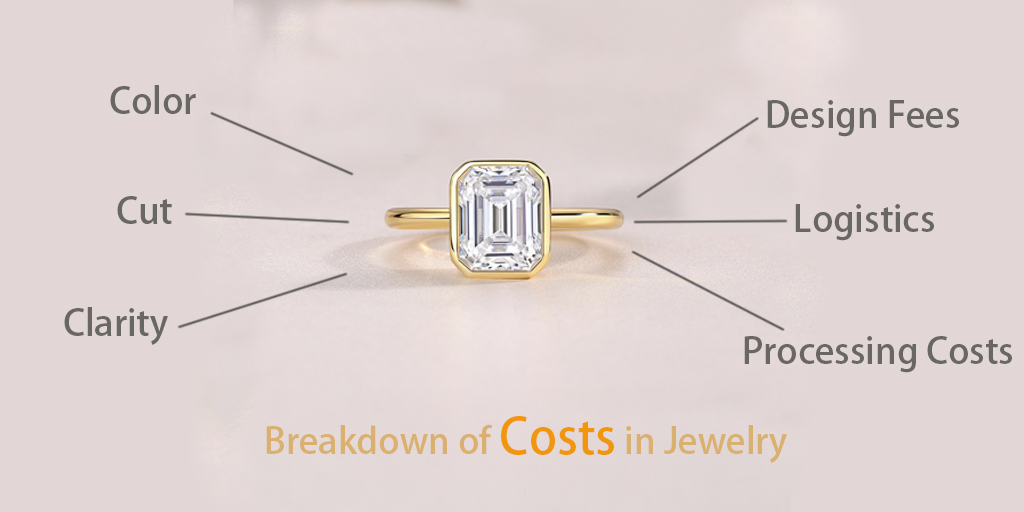
When we talk about jewelry, the cost is influenced by various factors including design fees, processing costs, material expenses, and logistics. Among these, material cost is a significant component. High-end jewelry often features rare natural gemstones like diamonds, which can be quite expensive. However, many contemporary pieces use moissanite, a gemstone that offers a similar aesthetic at a fraction of the cost. This article delves into the factors affecting moissanite per carat prices, providing a comprehensive analysis for merchants, e-commerce sellers, shop owners, retailers, and distributors.

Table of Contents

Understanding Moissanite Per Carat Prices Breakdown of Costs in Jewelry

Factors Influencing Moissanite Per Carat Prices

Color

The color of moissanite plays a significant role in determining its value. Colorless moissanite, which closely mimics the appearance of diamonds, is generally more expensive than stones with a slight tint. While the Gemological Institute of America (GIA) does not officially grade moissanite, its color is often evaluated using a scale similar to that of diamonds. On this scale, D-F grades represent colorless moissanite, while G-H grades indicate a near-colorless appearance with minimal hue. Stones with more noticeable tints, such as faint yellow or green, are typically less valuable. This color-based grading system helps consumers understand the quality and pricing of moissanite in relation to its visual appeal.

Cut

The cut of a moissanite stone significantly impacts its brilliance, fire, and overall visual appeal. A well-cut moissanite optimizes light reflection and refraction, resulting in exceptional sparkle and scintillation. The precision of the cut, including symmetry and polish, directly influences its value, with ideal or excellent cuts typically commanding higher prices due to the skill and effort required to achieve such quality.

Clarity

Clarity refers to the presence of internal inclusions or external blemishes within a stone. Moissanite, being lab-created, typically has fewer inclusions than natural diamonds, making high-clarity stones more common. However, stones with exceptional clarity (such as FL or IF grades) are still rarer and more valuable. Clarity is graded on a scale from FL (flawless) to I (included), with higher clarity grades commanding higher prices due to their rarity and visual perfection.

Carat Weight

Carat weight measures a stone’s weight, which is closely related to its size. Larger moissanite stones are more challenging to produce and thus rarer, leading to a higher price per carat. As the carat weight increases, the price per carat rises significantly, making larger stones considerably more expensive. This price escalation is due to the increased production costs, technical challenges, and the higher demand for larger, more impressive stones.

Standard Pricing for One Carat Moissanite

A standard one-carat moissanite stone typically ranges from $10 to $40, depending on the factors mentioned above. This price is subject to change based on market conditions and advancements in moissanite production technology. It’s important to note that while moissanite is more affordable than diamonds, its price can still vary widely.

Additional Costs in Jewelry Making

Design Fees

Design fees can vary greatly depending on the complexity of the design and the reputation of the designer. High-end brands often charge premium prices for their unique designs. Custom designs also tend to be more expensive due to the personalized service involved.

Processing Costs

Processing costs include the labor and materials required to craft the jewelry. In regions like Shenzhen, China, there are numerous factories capable of producing high-quality jewelry at lower costs. These factories benefit from economies of scale and advanced manufacturing techniques.

Logistics

Logistics costs encompass shipping and handling fees. These costs can vary based on the shipping method and destination. Even within the United States, there can be significant differences in shipping costs depending on the location or the choice of logistics company.

Wholesale vs. Dropshipping: Impact on Costs

Wholesale

Wholesale purchasing involves buying jewelry in bulk, which can significantly reduce the per-unit cost. However, it requires a substantial upfront investment and comes with the risk of holding inventory. Wholesale buyers benefit from lower logistics costs per unit due to bulk shipping.

Dropshipping

Dropshipping allows sellers to offer products without holding inventory. Each item is shipped directly from the supplier to the customer. While this method eliminates inventory risk, it incurs higher logistics costs per unit. Dropshipping is ideal for testing new products and scaling operations without significant upfront investment.

FAQs

1、What is the average price of moissanite per carat?

The average price of moissanite per carat ranges from $10to $40, depending on factors such as color, cut, clarity, and carat weight.

2、How does moissanite compare to diamonds in terms of cost?

Moissanite is significantly more affordable than diamonds, with its price generally falling below 10% of that of a comparable diamond.

3、Can I buy moissanite jewelry in bulk?

Yes, moissanite jewelry can be purchased in bulk through wholesale channels, which can reduce the per-carat cost.

4、What are the benefits of dropshipping moissanite jewelry?

Dropshipping eliminates the need for inventory, reduces upfront costs, and allows sellers to test products easily. However, it comes with higher per-unit shipping costs.

Conclusion

Understanding the factors that influence moissanite per carat prices is crucial for anyone involved in the jewelry business. From the stone’s color, cut, clarity, and carat weight to additional costs like design fees, processing, and logistics, each element plays a role in determining the final price. Whether you choose to purchase wholesale or opt for dropshipping, it’s essential to consider all these factors to make informed decisions and optimize your business strategy.